PLP
日本語原題:PLP
Source images
2 imagesThe artwork keeps its original Japanese/Chinese lettering. Open “Text in this image” under a picture to read what it says in your language (machine-read, may contain errors).
Text in this image machine-read · may contain errors
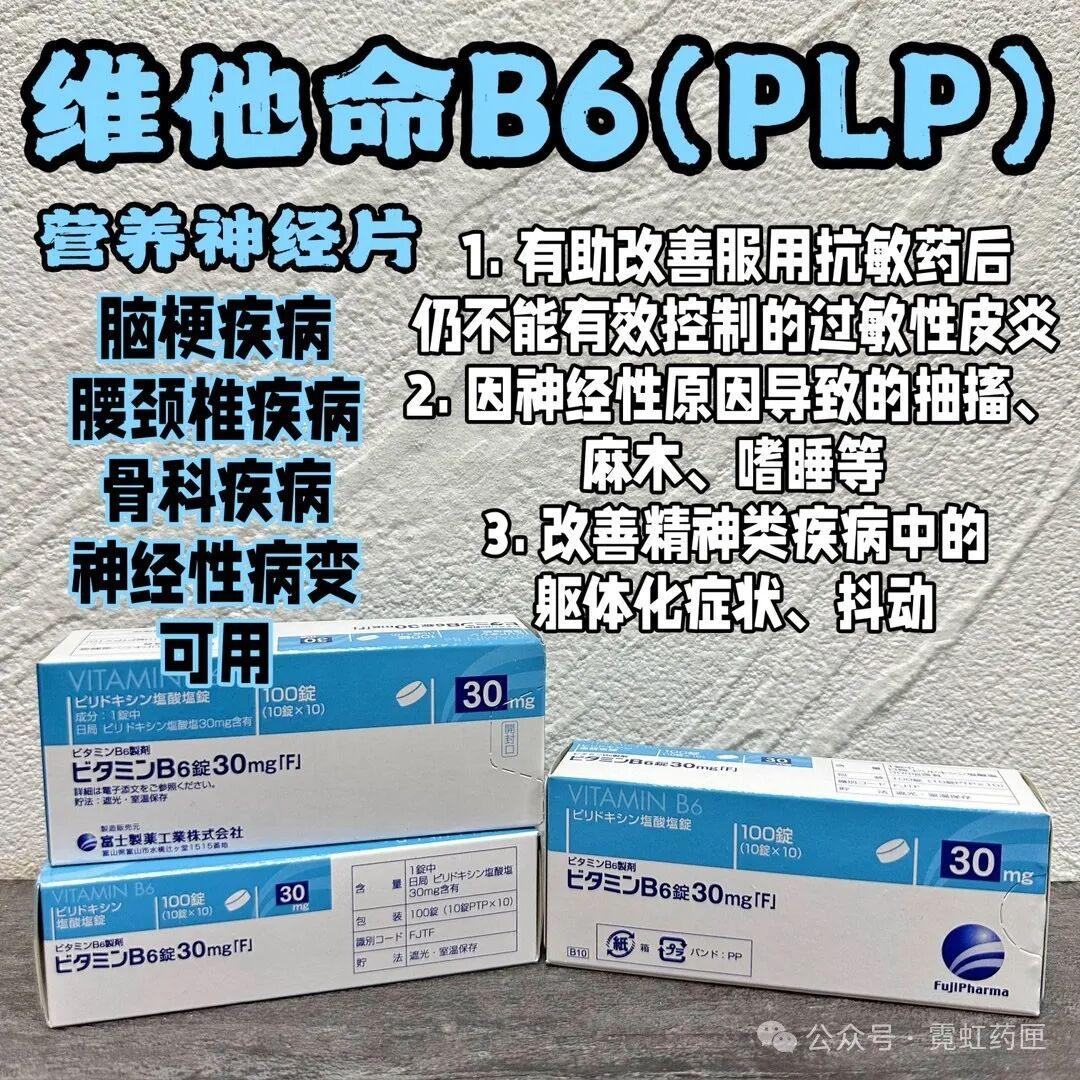
Vitamin B6 (PLP) Nutritional Nerve Tablets 1. Helps improve after taking anti-allergy medication Allergic dermatitis still not effectively controlled Cerebral infarction disease 2. Convulsions caused by neurological reasons, Numbness, drowsiness, etc. orthopedic disease 3. Improve the Neuropathy Body Transformation and Stabilization, Shaking Bilidoxin Hydrochloride Tablets (10 ingots×10) Japanese Bureau Bilitoxin 30mg2 Present Vitamin Day 6 VITAMIN B6 Haofaguang · Room Temperature Recommendation Bilidoxine hydrochloride Vitamin Day Production A thrilling story from the first round 1100 ingots (10 pairs PTP×10) bilidoxin FujiPharma Neon Yaobian public account
维他命B6(PLP) 营养神经片 1.有助改善服用抗敏药后 仍不能有效控制的过敏性皮炎 脑梗疾病 2.因神经性原因导致的抽搐、 麻木、嗜睡等 骨科疾病 3.改善精神类疾病中的 神经性病变 躯体化定状、抖动 ビリドキシン塩酸塩錠 (10锭×10) 日局ビリトキシン 30mg2 有 ビタミン日 6 製第 VITAMIN B6 好法光·室温保荐 ビリドキシン塩酸塩 ビタミン日製第 第日局のドキシン輩物 1100锭 (10双PTP×10) ビリドキシン FujiPharma 公众号霓虹药便
Vitamin B6 (PLP) Nutritional Nerve Tablets 1. Helps improve after taking anti-allergy medication Allergic dermatitis still not effectively controlled Cerebral infarction disease 2. Convulsio…
Text in this image machine-read · may contain errors
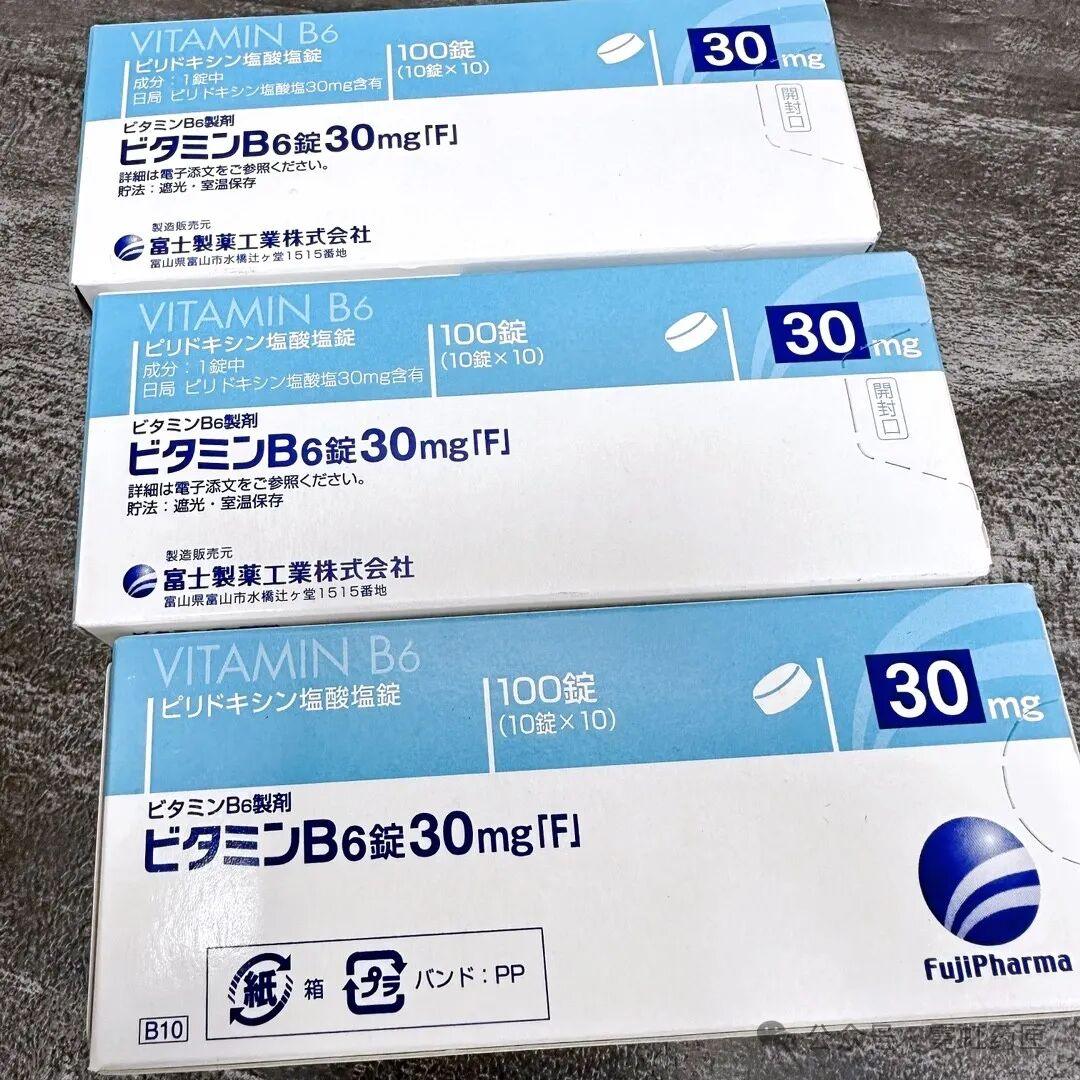
VITAMIN B6 1100 ingots Bilidoxin Hydrochloride Tablets (10 ingots×10) Nippon Country Pyridoxine Hydrochloride 30" Contains NG Vitamin Day 6 Formulation For details, please refer to the electronic title here. Method: Protected from light and stored at room temperature Fuji Seisai Kogyo Co., Ltd. Contains 30mg of Japanese Pyridoxine Hydrochloride Shang33B 630mg F See group electron addendum 1515 Shuiju Qiantang, Fushan City, Fushan Fruit Pyridoxine Hydrochloride Tablets Vitamin B6 Formulations Vitamin B6 Tablets 30mg Old FujiPharma B10
VITAMIN B6 1100锭 ビリドキシン塩酸塩錠 (10锭×10) 日局ピリドキシン塩酸塩 30 「 ng 含有 ビタミン日 6 製剤 詳細は電子題文をこ参照ください。 法:遮光·室温保存 富士製菜工業株式会社 日局ピリドキシン塩酸塩 30mg 含有 上3三B630mgF 群電子添文参照 富山果富山市水橘迁堂1515番地 ピリドキシン塩酸塩錠 ビタミン B6 製剤 ビタミン B6 錠 30mg 旧 FujiPharma B10
VITAMIN B6 1100 ingots Bilidoxin Hydrochloride Tablets (10 ingots×10) Nippon Country Pyridoxine Hydrochloride 30" Contains NG Vitamin Day 6 Formulation For details, please refer to the elect…