Cardiovascular · CARDIOVASCULAR
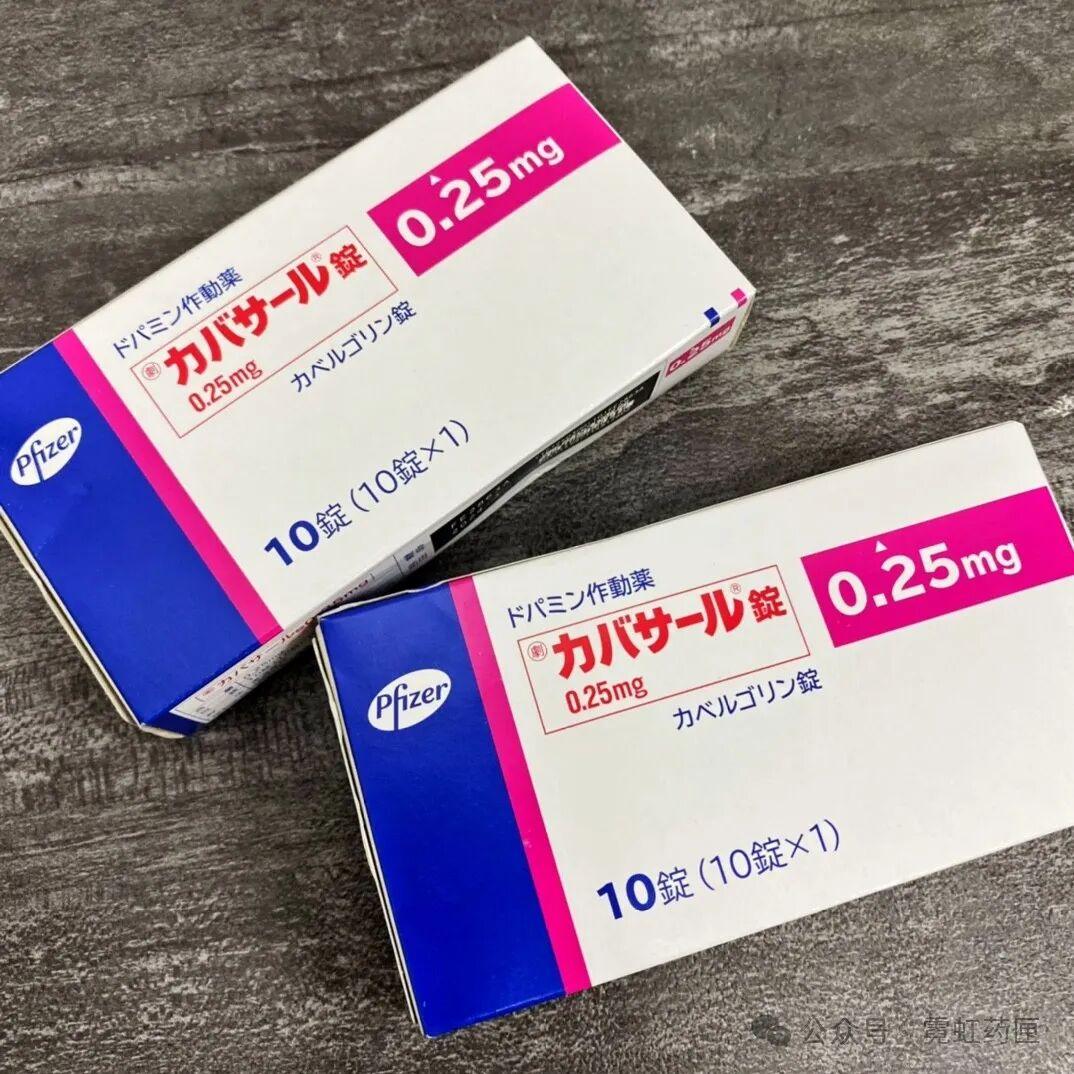
Carergoline 0.25mg 10 capsules
Published2024-09-10 10:54 Content1 sections / 1 images
English translation of the Japanese package insert is the main text; the Japanese original is shown alongside for verification. Use the language menu (top right) to read the page in another language. This site is for reference only — consult a doctor or pharmacist before use.
Section 1 · Overview
English translation
Cargolin is a dopaminergic derivative of ergo-in, characterized by a significant and prolonged prolactin-lowering effect due to direct stimulation of D2-dopamine receptors in breast trophic pituitary cells. Additionally, when doses were taken higher than those that lowered serum prolactin levels, cabergoline exhibited central dopaminergic effects due to D2 receptor stimulation.
A decrease in plasma prolactin concentration is observed within 3 hours after administration, lasting 7-28 days in healthy volunteers and hyperprolactinemia patients, and up to 14-21 days in postpartum women.
Caergoline has a strict selective effect and does not affect the basic secretion of other hormones in the pituitary or cortisol. In terms of severity and duration of action, the prolactin-lowering effect of the drug is dose-dependent.
The pharmacodynamic effects of carergoline are unrelated to therapeutic efficacy and only include lowering blood pressure. At a single admission, the maximum antihypertensive effect occurs within the first 6 hours and is dose-dependent.
Indications: Prevention of physiological postpartum lactation (for medical reasons only); Suppress confirmed breastfeeding periods (for medical reasons only); Treatment of diseases related to hyperprolactinemia, including functional conditions such as amenorrhea, scanty menstruation, anovulation, and galactorrhea; Prolactin-secreting pituitary adenomas (micro and large prolactinomas, idiopathic hyperprolactinemia or "empty" Turkish saddle syndrome combined with hyperprolactinemia).
Contraindications: postpartum arterial hypertension; Preeclampsia; Pregnancy; Increased sensitivity to carergoline or other drug components and any ergot alkaloids.
Usage: Dostinex should be taken orally, preferably during meals.
To prevent breastfeeding, 1 mg (2 tablets) is given once on the first day after delivery.
To suppress the determined lactation, 0.25 mg (1/2 tablet) twice daily for 2 days (total dose 1 mg).
To treat diseases related to hyperprolactinemia, the drug is prescribed at a dose of 0.5 mg per week, with 1 or 2 doses (for example, half a tablet on Mondays and Thursdays). The weekly dose should be gradually increased—every 0.5 months apart for 1 month—to achieve optimal therapeutic effects. The average therapeutic dose is 1mg per week, but it can be 0.25mg to 2mg per week. Patients with hyperprolactinemia should use up to 4.5 mg per week.
When prescribing a drug at 1mg or more per week, it should be divided into doses of two or more times per week based on tolerance.
Note: After selecting an effective dosing regimen, it is recommended to measure serum prolactin levels regularly (once a month). Normalization of prolactin levels is usually observed within 2-4 weeks of treatment.
日本語 Original
卡麦角林是麦角灵的多巴胺能衍生物,其特征在于由于直接刺激乳营养性垂体细胞的D2-多巴胺受体而具有显着且延长的催乳素降低作用。此外,当与降低血清催乳素水平的剂量相比服用更高剂量时,卡麦角林由于D2受体的刺激而表现出中枢多巴胺能效应。
在服用该药物后3小时内观察到血浆中催乳素浓度的降低,并且在健康志愿者和高催乳素血症患者中持续7-28天,并且在产后期的女性中持续长达14-21天。
卡麦角林具有严格的选择性作用,不影响垂体和皮质醇的其他激素的基础分泌。就严重程度和作用持续时间而言,药物的催乳素降低作用是剂量依赖性的。
卡麦角林的药效学作用与治疗效果无关,仅包括降低血压。单次入院时,最大抗高血压作用发生在最初的6小时内,并且是剂量依赖性的。
主治:预防生理性产后泌乳(仅出于医疗原因);抑制已经确定的哺乳期(仅出于医疗原因);治疗与高催乳素血症相关的疾病,包括功能性疾病,如闭经,月经过少,无排卵和溢乳;催乳素分泌垂体腺瘤(微型和大型泌乳素瘤,特发性高催乳素血症或“空”土耳其马鞍综合征与高催乳素血症相结合)。
禁忌症:产后动脉高压;先兆子痫;怀孕;对卡麦角林或其他药物成分以及任何麦角生物碱的敏感性增加。
用法:Dostinex应口服,最好在用餐期间服用。
为了防止哺乳,在分娩后第一天给予药物1毫克(2片)一次。
为了抑制确定的泌乳,每天2次,每次0.25毫克(1/2片),持续2天(总剂量为1毫克)。
为了治疗与高催乳素血症相关的疾病,该药物以每周0.5mg的剂量开处方,剂量为1或2剂(例如,周一和周四为1/2片)。应逐步增加每周剂量-每隔0.5个间隔1个月,以达到最佳治疗效果。平均治疗剂量为每周1mg,但每周可以为0.25mg至2mg。高催乳素血症患者每周使用剂量高达4.5毫克。
当以每周1mg或更多的剂量指定药物时,应根据耐受性将药物分成每周2次或更多次接受。
注意:选择有效的给药方案后,建议定期(每月1次)测定血清催乳素水平。通常在治疗2-4周内观察到催乳素水平的正常化。
Source images
1 imagesThe artwork keeps its original Japanese/Chinese lettering. Open “Text in this image” under a picture to read what it says in your language (machine-read, may contain errors).