Musculoskeletal · MUSCULOSKELETAL

How is Elamod the new favorite in rheumatoid arthritis reshaping the landscape of joint health? —Eramod

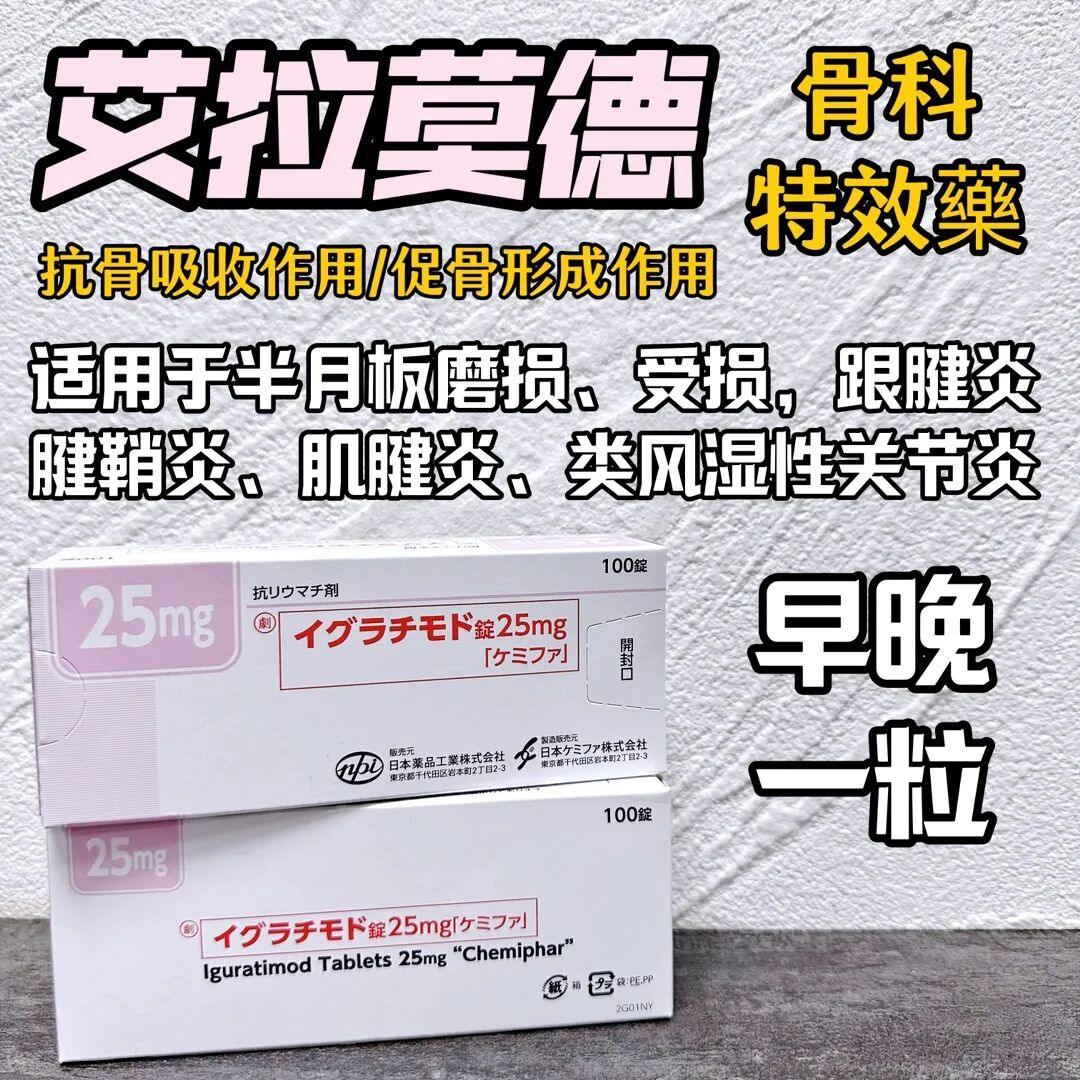
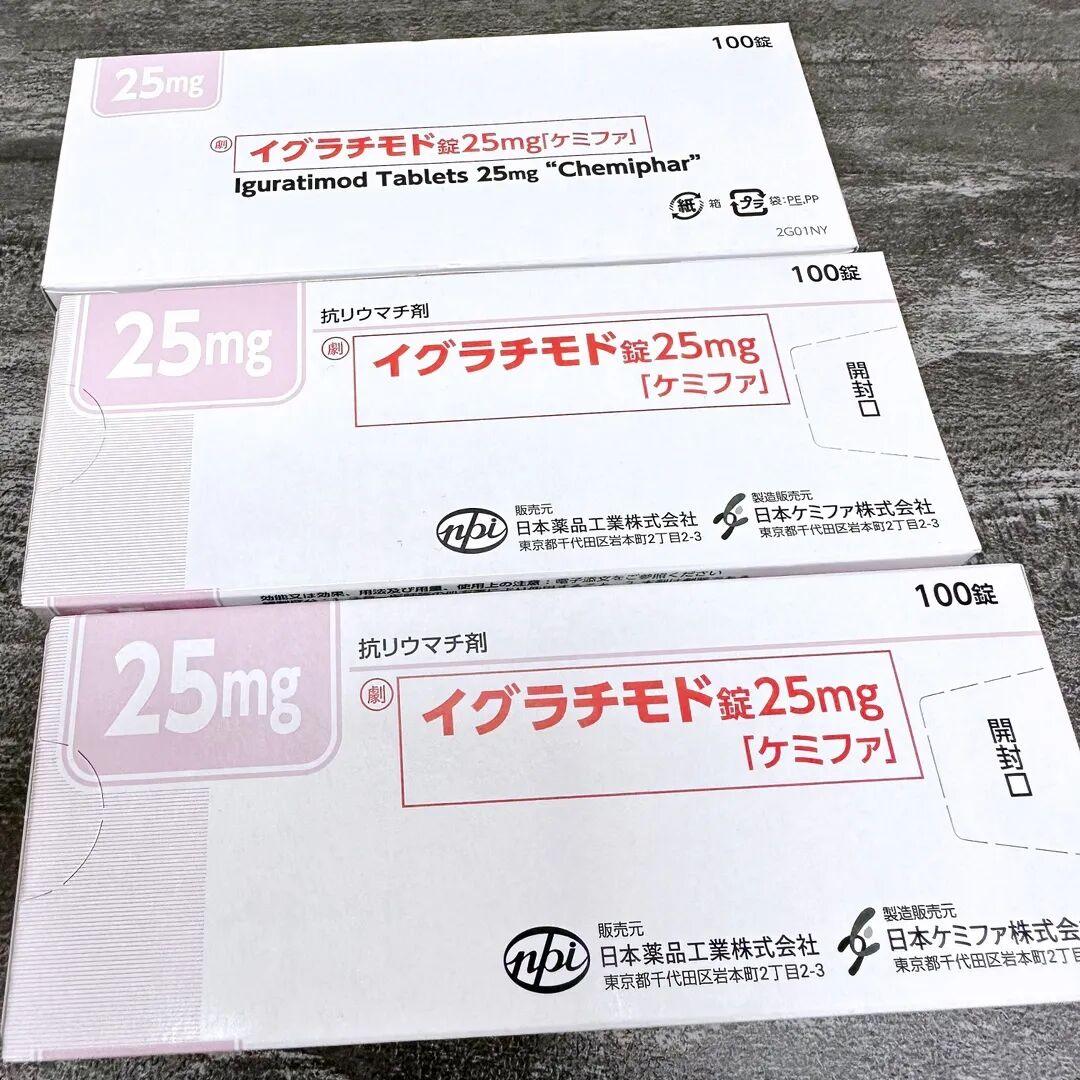
日本語原題:イグラチモド錠25mg「ケミファ」

Published2025-03-05 21:01 FormTablet Content9 sections / 2 images Japanese nameイグラチモド錠25mg「ケミファ」
Ingredients / strength:
Active ingredient: (per tablet) Igratimod 25.0mg Additives: Carnauba Low, Carmellose Calcium, Crystalline Cellulose, Titanium Oxide, Magnesium Stearate, Talc, Hypromellose, Polyvinyl Alcohol (Partial Saponide), Macrogol 6000.
English translation of the Japanese package insert is the main text; the Japanese original is shown alongside for verification. Use the language menu (top right) to read the page in another language. This site is for reference only — consult a doctor or pharmacist before use.
Section 1 · Feature description
English translation
Igratimod primarily exhibits anti-rheumatic effects by suppressing the production of immunoglobulins (IgG, IgM) by B cells and the production of inflammatory cytokines (TNFα, IL-β, IL-IL-6, IL-8, MCP-1) by monocytes/macrophages and synovial cells. These effects involve reduced mRNA expression of immunoglobulins and inflammatory cytokines, and are suggested to be mediated by inhibiting the activation of the transcription factor Nuclear Factor κB (NFκB).
Section 2 · Specifications
English translation
100 tablets [10 tablets (PTP)×10]
Section 3 · Characteristics
English translation
White film-coated locks.
Section 4 · Ingredient Description
English translation
Active ingredient: (per tablet) Igratimod 25.0mg Additives: Carnauba Low, Carmellose Calcium, Crystalline Cellulose, Titanium Oxide, Magnesium Stearate, Talc, Hypromellose, Polyvinyl Alcohol (Partial Saponide), Macrogol 6000.
Section 5 · Functions and indications
English translation
Rheumatoid arthritis.
Section 6 · Usage and dosage
English translation
Typically, adults are given 25 mg orally once daily after breakfast for more than four weeks as igratimod, then increased to 25 mg twice daily (after breakfast and dinner).
Section 7 · Important notes
English translation
1. Always perform a liver function test before administration of this drug. During administration, clinical symptoms should be closely monitored, and liver function tests should be conducted regularly during the first two months after starting administration, such as once every two weeks, and thereafter once a month. 2. Before administering this drug, be sure to perform tests on blood and kidney function. During administration, clinical symptoms should be closely monitored, and regular blood and kidney function tests should be performed for the first two months after starting treatment, such as once every two weeks, and thereafter once a month. 3. Considering the characteristics of this drug and the disease, carefully monitor the course of treatment and do not continue administration indiscriminately.
Section 8 · Side effects
English translation
1. Liver dysfunction (0.5%), jaundice (0.1%) Liver dysfunction accompanied by increased AST and ALT may occur, and jaundice may occur. Regarding liver function, clinical trials showed high rates of increased AST and ALT levels, so if abnormalities are observed, consider whether to continue administration, and especially if the dose increases to 100 IU or more, discontinue administration. 2. Pancytopenia (0.1%), agranulocytosis (frequency unknown), leukopenia (0.1%) If abnormalities are observed, consider whether to continue administration and take appropriate measures. If blood disorders such as erythrocytopenia, leukopenia, or thrombocytopenia are observed, discontinue or discontinue administration of this drug as necessary and take appropriate measures. 3. Peptic ulcers (0.7%) Peptic ulcers believed to be caused by cyclooxygenase inhibitory effects may occur; if gastrointestinal symptoms such as diarrhea appear, discontinue administration and provide appropriate treatment. 4. Interstitial pneumonia (0.3%) Pay attention to symptoms such as fever, cough, and difficulty breathing. If abnormalities are detected, promptly check chest X-rays or clinical tests such as KL-6 and CRP, discontinue administration, and consider differential diagnosis from pneumonia (such as measurement of β-D glucan) and take appropriate measures such as adrenal corticosteroid administration. 5. Infectious Diseases (0.2%) Infections such as sepsis and empyema may occur.
Section 9 · Taboo
English translation
1. Pregnant women or women who may be pregnant. 2. Patients with severe liver impairment. 3. Patients with peptic ulcers [Peptic ulcers may appear as a side effect, which may worsen the condition. ]。 4. Patients with a history of hypersensitivity to any component of this drug. 5. Patients receiving warfarin.

Source images

2 images

Need help sourcing Japanese medicines or OEM production?

💬