Cardiovascular · CARDIOVASCULAR

Methyldopa (Methyldopa Tablets (Tsurhara) 250)

日本語原題:ツルハラ

Published2025-03-14 07:19 FormTablet Content10 sections / 4 images
Ingredients / strength:
Active ingredient: 250mg of methyldopa hydrate as anhydrous form per tablet. Additives: Yellow No. 4 (Tartrazine), Yellow No. 5, lactose hydrate, crystalline cellulose, calcium carmerose, hydroxypropyl cellulose, magnesium stearate, titanium oxide, talc, hypromellose.
English translation of the Japanese package insert is the main text; the Japanese original is shown alongside for verification. Use the language menu (top right) to read the page in another language. This site is for reference only — consult a doctor or pharmacist before use.
Section 1 · Overview
English translation
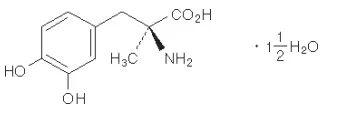
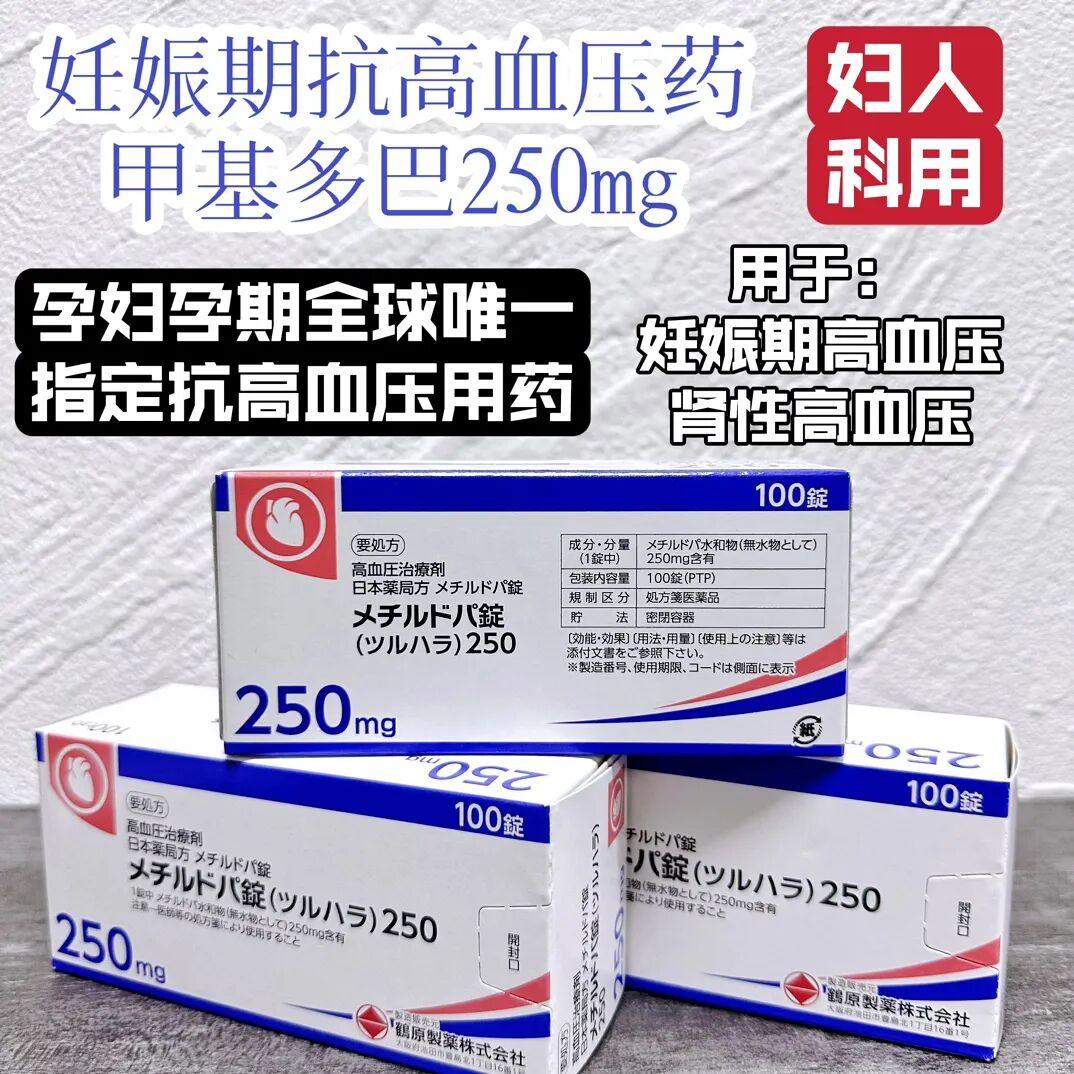
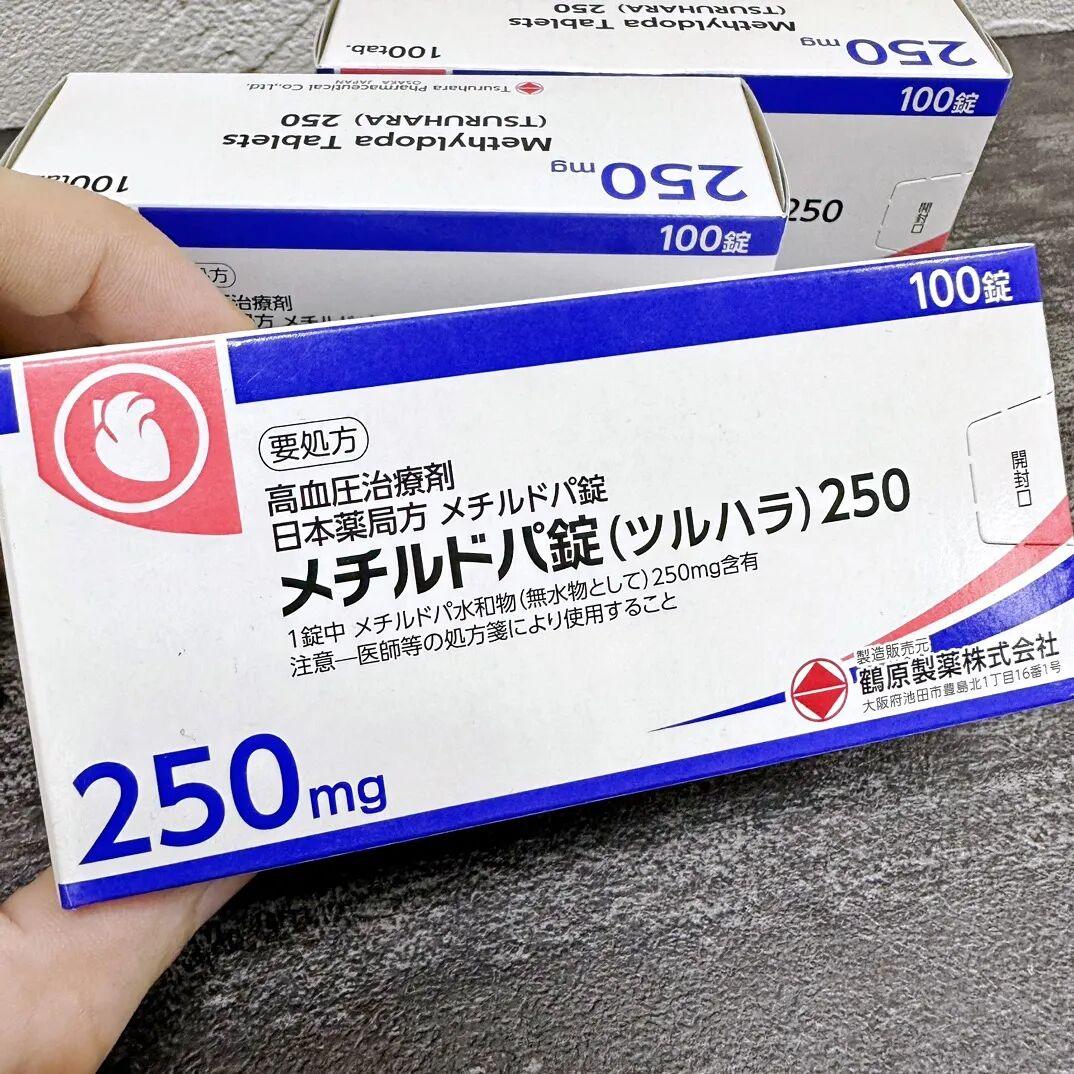
The harm of hypertension in pregnant women is a pregnancy complication that poses a double risk for both mother and baby. The main harm to mothers is eclampsia (fatal risk), placental abruption (obstetric emergency), HELLP syndrome (severe liver damage), damage to multiple organs including kidneys, liver, and cardiovascular disease, and postpartum hemorrhage. The main harms to infants include fetal growth restriction (FGR), preterm birth and low birth weight, intrauterine hypoxia and fetal death, including hypocalcemia, neonatal asphyxia, and long-term metabolic abnormalities as neonatal complications. According to data from Obstetrics and Gynecology, approximately 76,000 maternal deaths worldwide each year due to hypertension in pregnant women account for 14% of pregnancy-related deaths. The incidence of preeclampsia in China is 5%~12%, making it the leading cause of preterm birth (accounting for 20%~30% of preterm birth cases). Hypertension in pregnant women (including gestational hypertension, preeclampsia, eclampsia, etc.) is a multisystem dysfunction unique to pregnancy and poses a serious threat to maternal and infant health. Methyldopa (メ틸ドパ Tablets (ツルハラ) 250 by Tsuruhara Pharmaceutical is a blood pressure medication specially developed for pregnant women. The images and introduction are as follows. Methyldopa chemical formula. Methyldopa is mainly used for primary and renal hypertension, especially gestational hypertension, so it is mostly used during pregnancy.
Section 2 · Feature description
English translation
The antihypertensive effect of methyldopa is said to be due to its metabolite α-methylnorepinephrine, which stimulates central α-adrenergic receptors, pseudoneurotransmission, and reduces plasma renin activity. Additionally, methyldopa has been shown to reversibly reduce the levels of norepinephrine, adrenaline, dopamine, serotonin, and other substances within tissues through its inhibitory effect on aromatic amino acid decarboxylase.
Section 3 · Specifications
English translation
PTP: 100 tablets (10 tablets × 10)
Section 4 · Characteristics
English translation
Yellow film-coated tablets.
Section 5 · Ingredient Description
English translation
Active ingredient: 250mg of methyldopa hydrate as anhydrous form per tablet. Additives: Yellow No. 4 (Tartrazine), Yellow No. 5, lactose hydrate, crystalline cellulose, calcium carmerose, hydroxypropyl cellulose, magnesium stearate, titanium oxide, talc, hypromellose.
Section 6 · Functions and indications
English translation
Hypertension (primary), hypertension (renal type, etc.), malignant hypertension.
Section 7 · Usage and dosage
English translation
As methyldopa, the standard initial adult dose is an oral dose of 250~750 mg per day, then increased by 250 mg daily at intervals of several days until an appropriate antihypertensive effect is achieved. Typically, the maintenance dose is 250~2000 mg per day, administered orally in divided doses of 1~3 times. Adjust appropriately according to age and symptoms.
Section 8 · Important notes
English translation
1. Drowsiness or weakness may occur at the initial stage of administration or at the time of dosage, so caution should be taken with caution against hazardous work such as working at heights or driving a car. 2. When administering to patients with heart failure or edema, it is desirable to use antihypertensive diuretics such as thiazide diuretics in combination. 3. Severe blood disorders may occur, so regular examinations and thorough observation are essential. 4. Liver dysfunction such as hepatitis or jaundice may occur, so thorough observation such as liver function tests is necessary.
Section 9 · Clear side effects
English translation
1. Hemolytic anemia (0.18%), leukopenia, agranulocytosis, thrombocytopenia (all frequency unknown) Severe blood disorders may occur. Additionally, positive results such as direct Coombs tests may appear. 2. Symptoms of cerebrovascular failure, involuntary movements like chorea atetose, bilateral Bell's palsy (all of unknown frequency) 3. Angina attack induction (frequency unknown) 4. Myocarditis (frequency unknown) 5. SLE-like symptoms (frequency unknown) 6. Vasculitis (frequency unknown) 7. Congestive heart failure (frequency unknown) 8. Bone marrow suppression (frequency unknown) 9. Toxic Epidermal Necrolysis (TEN) (frequency unknown) 10. Hepatitis (frequency unknown) Liver dysfunction such as hepatitis and jaundice may occur.
Section 10 · Taboo
English translation
1. Patients in the active phase of acute hepatitis, chronic hepatitis, or cirrhosis. 2. Patients with a history of hypersensitivity to any component of this drug.

Source images

4 images

Need help sourcing Japanese medicines or OEM production?

💬