Cardiovascular · CARDIOVASCULAR

First, Sankyo's blood pressure and lipids both dropped by 2 to 4 points

日本語原題:アマルエット配合錠2番/4番「DSEP」

Published2025-04-05 09:33 Maker第一三共 FormTablet Content9 sections / 2 images Japanese nameアマルエット配合錠2番/4番「DSEP」
Ingredients / strength:
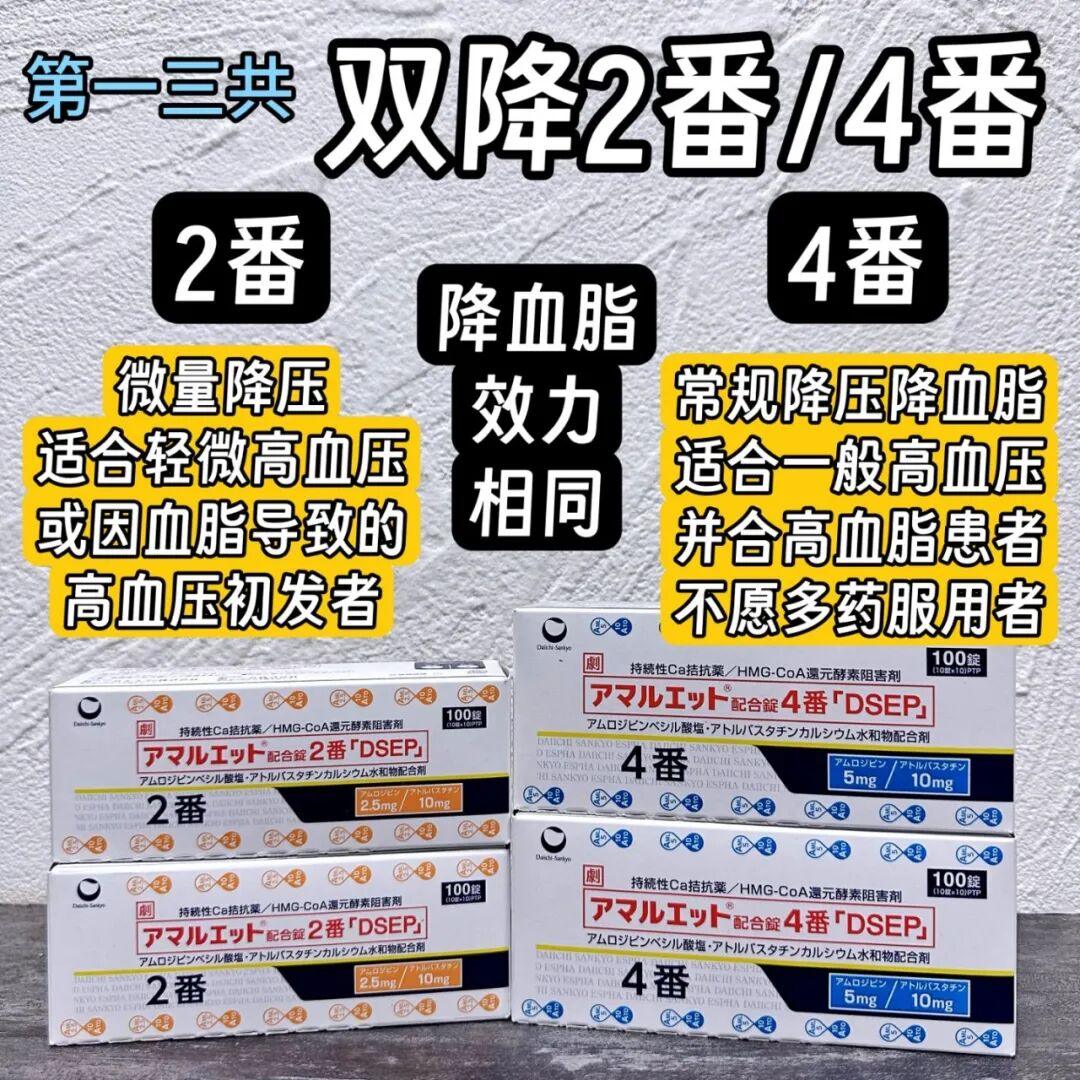
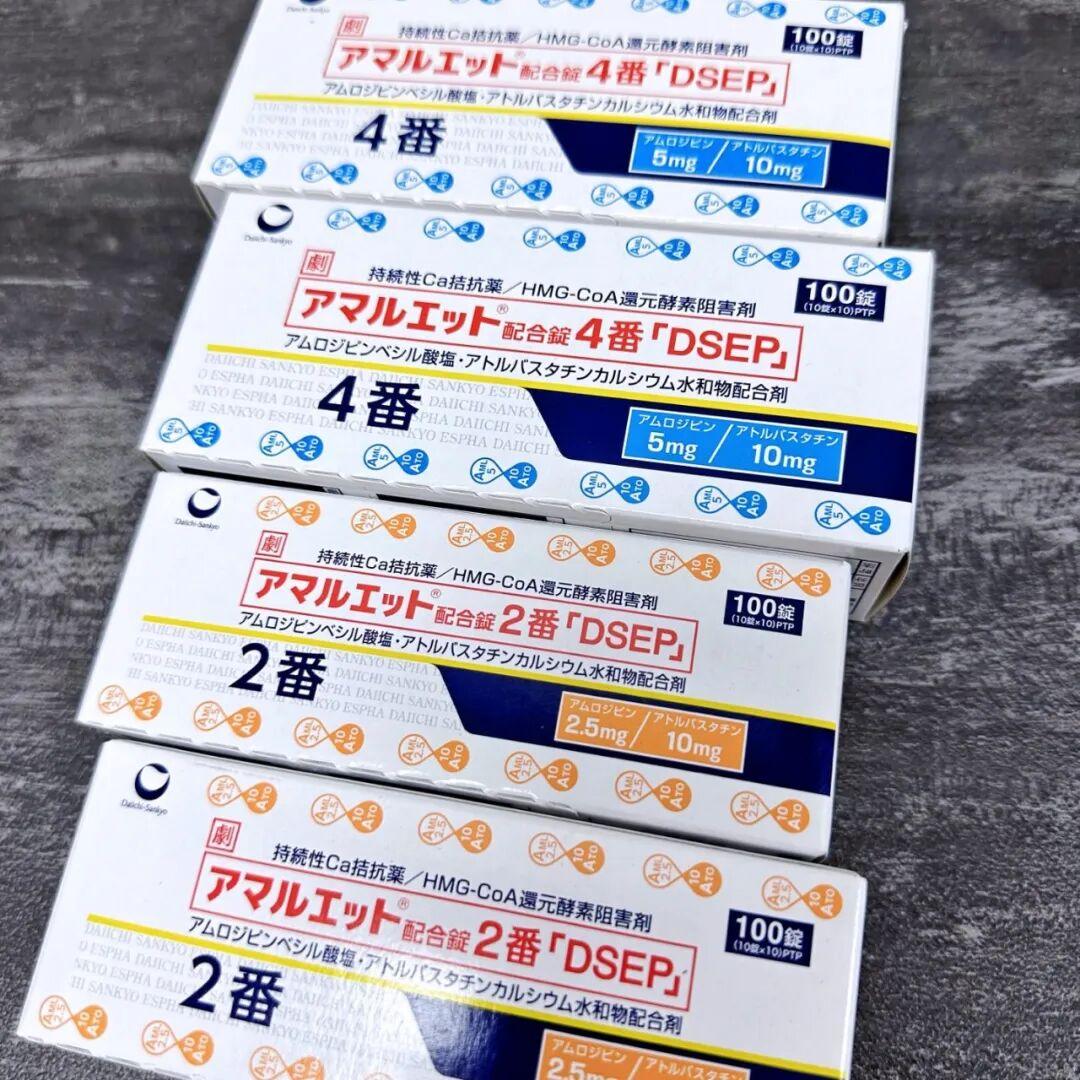
1. Amaruet Compound Tablets No. 2 "DSEP" Active ingredients: Amlodipine besylate (Japanese source) 3.47mg per tablet (2.5mg as amlodipine), 10.85mg atruvastatin calcium hydrate (Japanese version) (10mg as atorvastatin). Additives: crystalline cellulose, precipitated calcium carbonate, magnesium carbonate, alpha starch, crocalmellose sodium, magnesium stearate, hydroxypropyl cellulose, polyvinyl alcohol, acrylic acid, methyl methacrylate copolymer, talc, titanium dioxide, carnauba oil. 2. Amaruet Combination Tablet No. 4 "DSEP" Active ingredients: Amlodipine besylate (Japanese source) 6.94mg per tablet (5mg as amlodipine), Atorvastatin calcium hydrate (Japanese version) 10.85mg (10mg as atorvastatin) Additives: crystalline cellulose, precipitated calcium carbonate, magnesium carbonate, alpha starch, chlorosulfate
English translation of the Japanese package insert is the main text; the Japanese original is shown alongside for verification. Use the language menu (top right) to read the page in another language. This site is for reference only — consult a doctor or pharmacist before use.
Section 1 · Feature description
English translation
Amlodipine specifically binds to membrane voltage-dependent calcium channels in the cell membrane, reducing the influx of Ca2+ into the cell and relaxing the smooth muscle of coronary and peripheral blood vessels. The onset of calcium channel action is gradual and persistent. Additionally, it has weak cardiac depressive effects and has been recognized as vasoselective. Atorvastatin selectively and competitively inhibits HMG-CoA reductase in the liver, a major organ responsible for regulating cholesterol levels in the blood, and together with metabolites with activity comparable to atorvastatin, suppresses cholesterol synthesis in the liver. As a result, atorvastatin increases the number of LDL receptors in the liver and suppresses lipoprotein secretion, thereby lowering blood lipid mass. Additionally, atorvastatin improves blood lipid motility and suppresses the onset of arteriosclerosis associated with hypercholesterolemia.
Section 2 · Specifications
English translation
(PTP) 100 tablets (10 tablets ×10)
Section 3 · Characteristics
English translation
White, film-coated tablets.
Section 4 · Ingredient Description
English translation
1. Amaruet Compound Tablets No. 2 "DSEP" Active ingredients: Amlodipine besylate (Japanese source) 3.47mg per tablet (2.5mg as amlodipine), 10.85mg atruvastatin calcium hydrate (Japanese version) (10mg as atorvastatin). Additives: crystalline cellulose, precipitated calcium carbonate, magnesium carbonate, alpha starch, crocalmellose sodium, magnesium stearate, hydroxypropyl cellulose, polyvinyl alcohol, acrylic acid, methyl methacrylate copolymer, talc, titanium dioxide, carnauba oil. 2. Amaruet Combination Tablet No. 4 "DSEP" Active ingredients: Amlodipine besylate (Japanese source) 6.94mg per tablet (5mg as amlodipine), Atorvastatin calcium hydrate (Japanese version) 10.85mg (10mg as atorvastatin) Additives: crystalline cellulose, precipitated calcium carbonate, magnesium carbonate, alpha starch, crocalmellose sodium, magnesium stearate, hydroxypropyl cellulose, polyvinyl alcohol, acrylic acid, methyl methacrylate copolymer, talc, titanium dioxide, carnauba oil.
Section 5 · Functions and indications
English translation
This drug (amlodipine and atorvastatin combination) is intended for the following patients for whom amlodipine and atorvastatin are appropriate. Patients with hypertension or angina combined with hypercholesterolemia or familial hypercholesterolemia The indications and effects of amlodipine and atorvastatin are as follows. 〈Amlodipine〉 (1) Hypertension (2) Angina pectoris 〈Atorvastatin〉 (1) Hypercholesterolemia (2) Familial hypercholesterolemia
Section 6 · Usage and dosage
English translation
This drug (a combination of amlodipine and atorvastatin) is administered orally once daily. Also, determine the dosage for each patient based on the following dosage and administration of amlodipine and atorvastatin. 1. Amlodipine (1) 〈Hypertension〉 Typically, adults receive 2.5~5 mg of amlodipine orally once daily. The dose may be adjusted appropriately according to symptoms, but if the effect is insufficient, the dose can be increased up to 10 mg once daily. (2) Angina Pectoris Typically, adults receive 5 mg of amlodipine orally once daily. Adjust the amount appropriately according to symptoms. 2. Atorvastatin (1) Hypercholesterolemia Typically, adults receive 10 mg of atorvastatin orally once daily. The dose may be adjusted appropriately depending on age and symptoms, but in severe cases, the dose can be increased up to 20 mg per day. (2) Familial Hypercholesterolemia Typically, adults receive 10 mg of atorvastatin orally once daily. Dose adjustments may be adjusted according to age and symptoms, but in severe cases, the dose can be increased up to 40 mg per day.
Section 7 · Important notes
English translation
1. This drug is a combination of amlodipine 2.5mg or 5mg and atorvastatin 5mg or 10mg, and please note that side effects may occur from both amlogipine and atorvastatin. 2. Dizziness and other symptoms caused by the blood pressure-lowering effect of amlodipine may occur, so exercise caution when operating dangerous machinery such as working at heights or driving a car. 3. Amlodipine has a long blood concentration half-life and a gradual antihypertensive effect even after discontinuation. Therefore, when using other antihypertensives after discontinuing this drug, carefully monitor the patient's condition and pay attention to the dosage and interval. 4. Dietary therapy, which is fundamental for treating hypercholesterolemia, should be implemented in advance, and further considering exercise therapy and reducing risk factors for ischemic heart disease such as hypertension and smoking. 5. During administration, regularly monitor blood lipid levels, and discontinue administration if no response to treatment is observed. 6. Since atorvastatin administration may cause hepatitis such as fulminant hepatitis, if symptoms such as nausea, vomiting, or fatigue appear, discontinue this drug and instruct patients to contact a physician or physician. During administration, liver function tests should be performed at least once between the start or increase of dosage and up to 12 weeks, and thereafter regularly (e.g., once every six months). 7. Since atorvastatin administration may cause agranulocytosis, pancytopenia, or thrombocytopenia, regular tests and close monitoring are necessary. 8. Since atorvastatin administration may cause hyperglycemia and diabetes, pay attention to symptoms such as dry mouth, frequent urination, and general fatigue, and conduct regular examinations and thorough observation.
Section 8 · Side effects
English translation
〈Amlodipine〉 1. Fulminant hepatitis (frequency unknown), liver dysfunction (less than 0.1%), jaundice (less than 0.1%) Liver dysfunction accompanied by elevated AST, ALT, and γ-GTP may occur. 2. Agranulocytosis (frequency unknown), leukopenia (less than 0.1%), thrombocytopenia (frequency unknown) 3. Atrioventricular block (less than 0.1%) Bradycardia and dizziness may also occur. 4. Rhabdomyolysis (frequency unknown) If muscle pain, weakness, increased CK, or increased myoglobin in blood and urine occur, discontinue administration and take appropriate measures. Also, be cautious of the onset of acute kidney damage caused by rhabdomyolysis. 〈Atorvastatin〉 1. Rhabdomyolysis (frequency unknown), myopathy (frequency unknown) Rhabdomyolysis, characterized by muscle pain, weakness, elevated CK, and elevated myoglobin in both blood and urine, may appear, and severe kidney damage such as acute kidney injury may occur. Also, since myopathy may occur, discontinue administration if widespread muscle pain, tenderness, or marked increase in CK appear. 2. Immune-mediated necrotizing myopathy (frequency unknown) Immune-mediated necrotic myopathy characterized by proximal muscle weakness, high CK levels, necrosis of muscle fibers without inflammation, and anti-HMG-CoA reductase (HMGCR) antibody positivity has been reported, and cases have been reported persisting even after discontinuation, so the patient's condition should be closely monitored. There have been reports of improvement after immunosuppressant administration. 3. Fulminant hepatitis (frequency unknown), hepatitis (frequency unknown), liver dysfunction (less than 0.1%), jaundice (frequency unknown) 4. Allergies (frequency unknown) There have been reports of hypersensitivity symptoms including angionic edema, anaphylactic reactions, and urticaria. 5. Agranulocytosis (frequency unknown), pancytopenia (frequency unknown), thrombocytopenia (frequency unknown) 6. Toxic Epidermal Necrolysis (TEN) (frequency unknown), Stevens-Johnson syndrome (frequency unknown), erythema multiforme (frequency unknown) There have been reports of blistering rashes. 7. Hyperglycemia (less than 0.1%), diabetes (frequency unknown) 8. Interstitial pneumonia (frequency unknown) Even with long-term administration, if fever, cough, difficulty breathing, abnormal chest X-ray, etc. are observed, discontinue administration and take appropriate measures such as administering corticosteroids. 9. Myasthenia gravis (frequency unknown) Myasthenia gravis (ophthalmic and systemic types) may develop or worsen.
Section 9 · Taboo
English translation
1. Patients with a history of hypersensitivity to the components of this drug or dihydropyridine compounds 2. Patients suspected of having impaired liver metabolic capacity in the following categories Acute hepatitis, acute exacerbations of chronic hepatitis, cirrhosis, liver cancer, jaundice 3. Pregnant women, women who may be pregnant, and breastfeeding mothers 4. Patients receiving grecaprevir or pibrentasvir

Source images

2 images

Need help sourcing Japanese medicines or OEM production?

💬