Digestive · DIGESTIVE

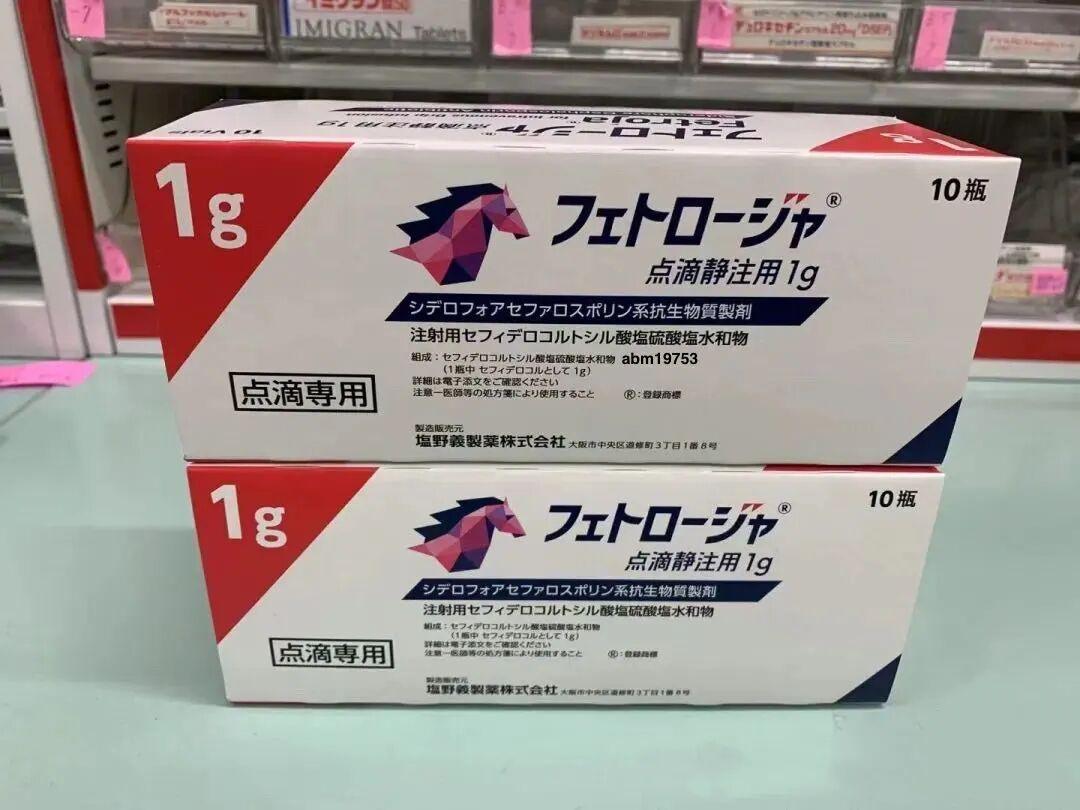
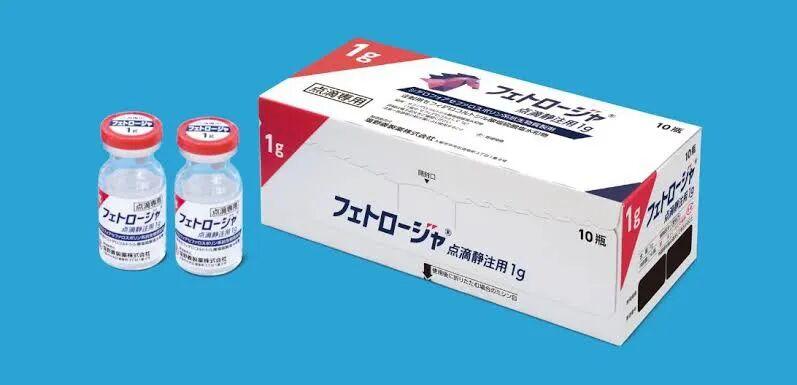
Cefodil

日本語原題:フェトロージャ点滴静注用1g

Published2025-04-14 15:14 FormPowder Content10 sections / 2 images
Ingredients / strength:
Active ingredient: Cefiderocoltosilate sulfate hydrate (1g per bottle as Cefiderocol). Additives: 900mg refined white sugar, 216mg sodium chloride, sodium hydroxide.
English translation of the Japanese package insert is the main text; the Japanese original is shown alongside for verification. Use the language menu (top right) to read the page in another language. This site is for reference only — consult a doctor or pharmacist before use.
Section 1 · Feature description
English translation
Cefhiderocol is a cephalosporin with a siderophore structure that can bind trivalent iron to the 3-position side chain. It is inhibited by cell wall synthesis by passive diffusion via porin channels and active transport via iron uptake systems, where it binds to penicillin-binding proteins. This drug is stable against β-lactamase of Ambler class A~D.
Section 2 · Specifications
English translation
10 bottles [1g×10]
Section 3 · Characteristics
English translation
White, light lumps or powders (injections)
Section 4 · Ingredient Description
English translation
Active ingredient: Cefiderocoltosilate sulfate hydrate (1g per bottle as Cefiderocol). Additives: 900mg refined white sugar, 216mg sodium chloride, sodium hydroxide.
Section 5 · Functions and indications
English translation
〈Suitable Strains〉 Bacteria susceptible to Sefiderocol: Escherichia coli, Citrobacter species, Klebsiella species, Enterobacter species, Seratia malcessens, Proteus, Morganella morgani, Pseudomonas aeruleans, Berkhorderia species, Stenotorohomonas maltophilia, and Acinetobacter species; however, only strains resistant to carbapenem antibiotics are included. 〈Indications〉 Various infectious diseases.
Section 6 · Usage and dosage
English translation
Typically, adults receive 2g as Sefiderokol once every 8 hours over 3 hours for an intravenous drip. Adjust the amount appropriately according to kidney function.
Section 7 · Important notes
English translation
1. When using this drug, please pay attention to the following to prevent the development of resistant bacteria. [1. Reference] (1) Performed under the guidance of a physician with sufficient knowledge and experience in infectious disease treatment. (2) When using the product, as a general rule, confirm sensitivity and limit administration to the minimum period necessary for disease treatment. 2. When using this drug, refer to the "Guidelines for Proper Use of Antimicrobial Drugs" from the perspective of proper use of antimicrobial drugs. 3. Since there is no reliable way to predict shock or anaphylaxis caused by this drug, take the following measures. (1) Conduct a thorough medical interview in advance regarding medical history, etc. Also, always confirm any history of allergies caused by antibiotics or similar substances. (2) When administering, always be prepared to provide emergency treatment for shock and similar injuries. (3) From the start of administration until after the end of administration, keep the patient at rest and observe them thoroughly. In particular, observe carefully immediately after starting administration. 4. In clinical trials targeting patients with infections caused by carbapenem-resistant Gram-negative bacteria, patients with Acinetobacter infections treated with this drug who received this drug showed a higher mortality rate than the standard treatment group, despite unknown causes. When using this drug, other treatments should be considered, and when using this drug, carefully observe the patient's condition.
Section 8 · Side effects
English translation
1. Shock, anaphylaxis (both with unknown frequency) Shock and anaphylaxis may occur, so close observation is required. If abnormalities such as difficulty breathing, generalized flushing, urticaria, or low blood pressure are observed, discontinue administration and take appropriate measures. 2. Pseudomembranous colitis (less than 1%) Severe colitis with bloody stools such as pseudomembranous colitis may occur, so if abdominal pain or frequent diarrhea occurs, immediately discontinue administration and take appropriate measures. 3. Liver dysfunction (2.7%) Liver dysfunction accompanied by elevated AST (GOT), ALT (GPT), and γ-GTP may occur, so careful observation is required, and if abnormalities are found, appropriate measures such as discontinuing administration should be taken. 4. Seizures, epileptic seizures (frequency unknown) Central nervous system symptoms such as seizures and epileptic seizures may appear. 5. Neutropenia (frequency unknown) 6. Allergies Rash, itching. 7. Respirators cough 8. Liver Elevated ALT, elevated γ-GTP, elevated AST, and abnormal liver function. 9. Kidneys Colored urine 10. Digestive System Diarrhea, nausea, vomiting. 11. Bacterial turnover syndrome candidiasis 12. Injection Site Injection site reactions such as pain, erythema, and phlebitis.
Section 9 · Taboo
English translation
1. Patients with a history of severe hypersensitivity to any component of this drug. 2. Patients with a history of severe hypersensitivity to other β-lactam antibiotics (severe systemic allergic reactions such as anaphylaxis).
Section 10 · Warning
English translation
To prevent the development of resistant bacteria of this drug, carefully read section "/7, Important Basic Precautions" and strive for proper use.

Source images

2 images

Need help sourcing Japanese medicines or OEM production?

💬