Respiratory · RESPIRATORY

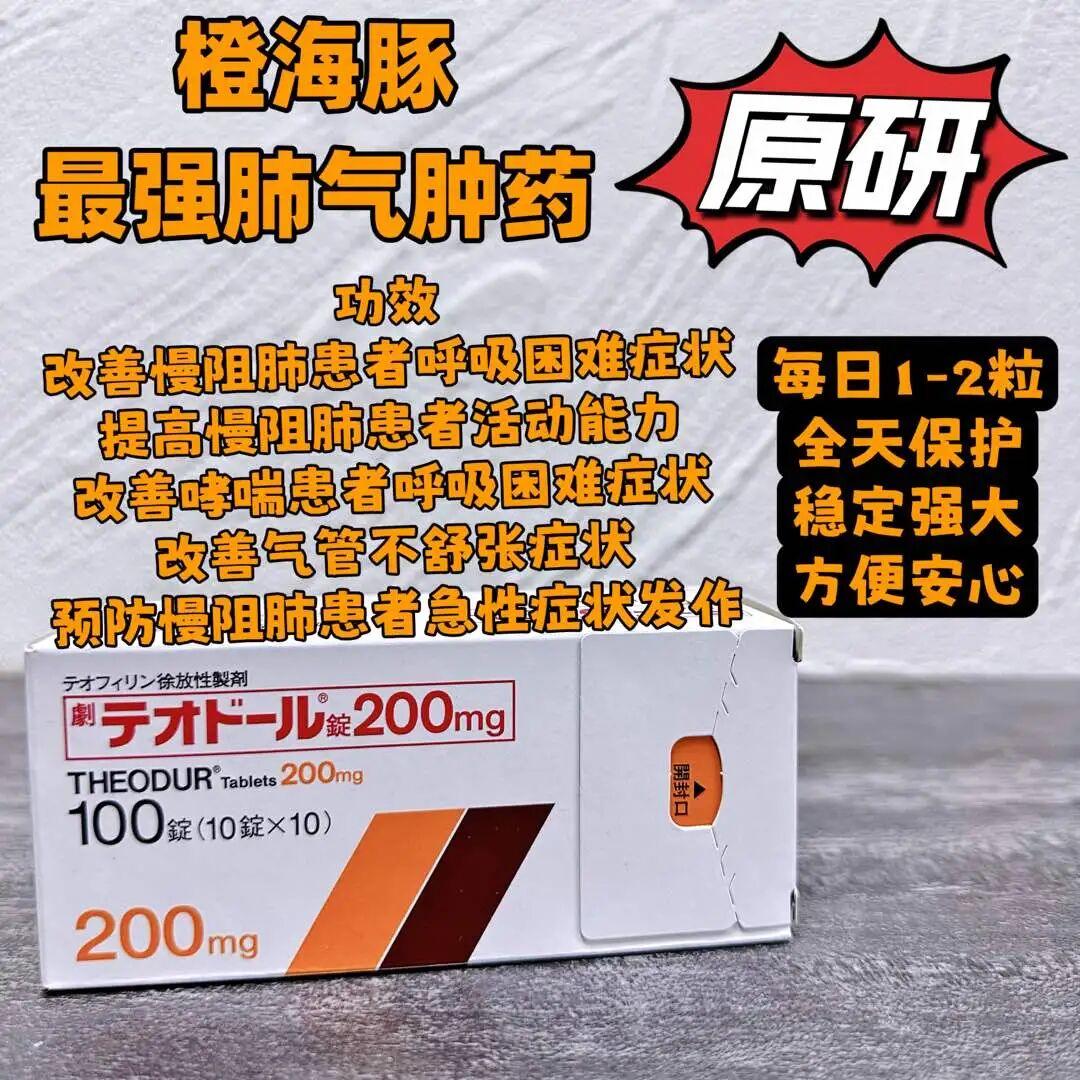
The strongest drug for pulmonary emphysema

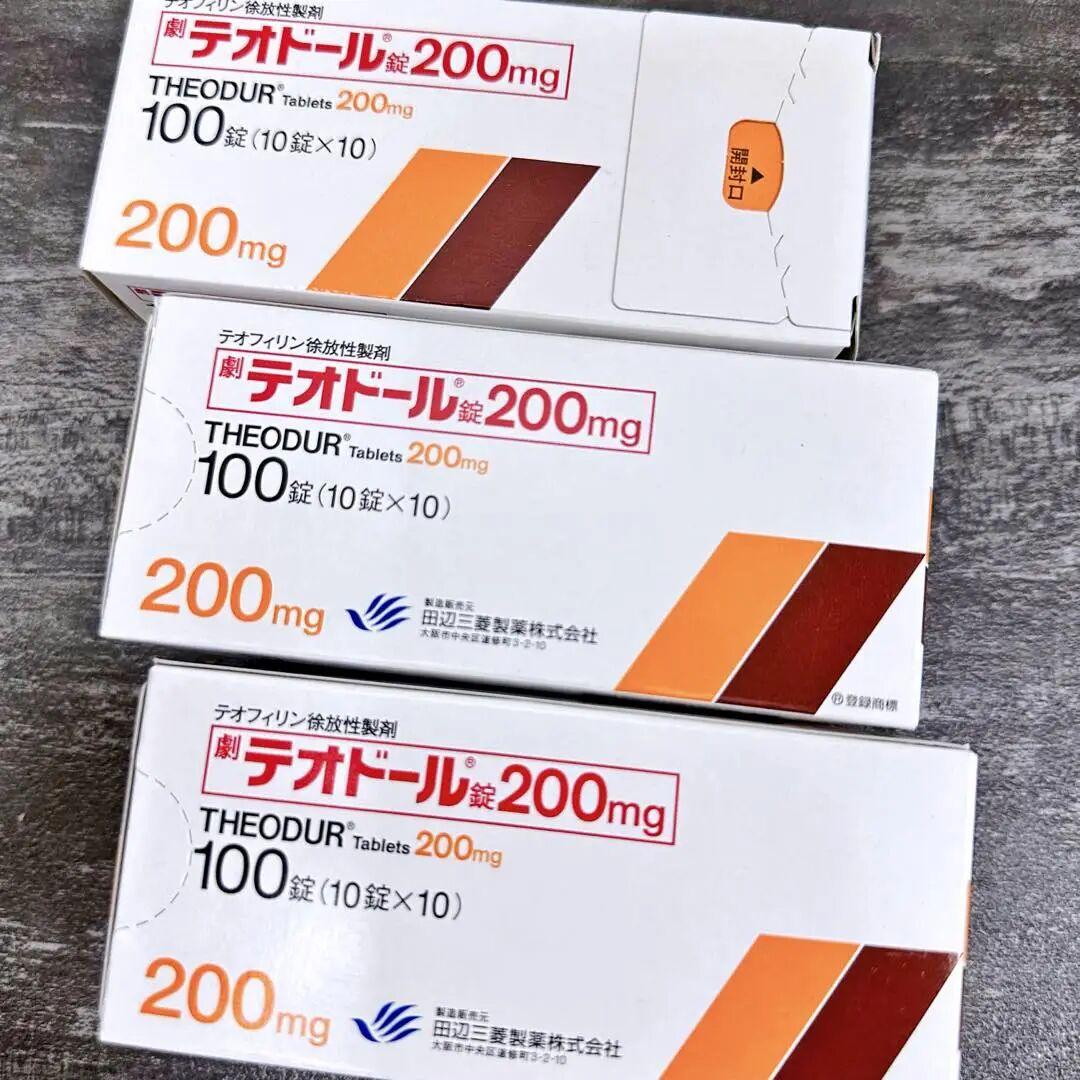
日本語原題:テオドール錠200mg

Published2025-05-02 12:55 FormTablet Content9 sections / 2 images Japanese nameテオドール錠200mg
Ingredients / strength:
Active ingredient: 200mg per Nippon Bureau Theophylline tablet. Additives: white sugar, corn starch, anhydrous lactose, magnesium stearate, ceracefate, hypromellose, glycerin stearate, beeswax, cetanol, myristile alcohol, diethyl phthalate.
English translation of the Japanese package insert is the main text; the Japanese original is shown alongside for verification. Use the language menu (top right) to read the page in another language. This site is for reference only — consult a doctor or pharmacist before use.
Section 1 · Feature description
English translation
The mechanism of action of this drug is said to be to inhibit phosphodiesterase and increase intracellular cyclic 3',5'-AMP concentrations. In addition, antagonism on adenosine receptors, regulation of intracellular calcium ion distribution, promotion of release of endogenous catecholamines, and antagonism on prostaglandins have been reported, and much remains unclear about the mechanism of action.
Section 2 · Specifications
English translation
100 tablets [10 tablets (PTP)×10].
Section 3 · Characteristics
English translation
A slow-release tablet with a split line that has irregular patches or white spots on the surface.
Section 4 · Ingredient Description
English translation
Active ingredient: 200mg per Nippon Bureau Theophylline tablet. Additives: white sugar, corn starch, anhydrous lactose, magnesium stearate, ceracefate, hypromellose, glycerin stearate, beeswax, cetanol, myristile alcohol, diethyl phthalate.
Section 5 · Functions and indications
English translation
1. Bronchial asthma 2. Bronchial (resemble) wheezing 3. Chronic bronchitis 4. Emphysema
Section 6 · Usage and dosage
English translation
Typically, as theophylline, adults are given 200 mg per dose (1 tablet) orally twice daily, in the morning and before bedtime. For bronchial asthma, adults can also take 400 mg of theophylline once a day (2 tablets of this drug) orally before bedtime. Adjust the dosage appropriately according to age and symptoms.
Section 7 · Important notes
English translation
1. Since side effects caused by theophylline are often caused by increased blood concentrations, it is desirable to properly monitor blood levels and establish dosing plans tailored to each patient. 2. When administering to children, especially infants and toddlers, it is advisable to instruct guardians and others in advance on measures such as temporarily reducing or stopping the dose if a fever occurs. 3. Since children generally have a weaker ability to report subjective symptoms, when administering this drug, parents and others should carefully observe the child's condition and promptly contact the attending physician if abnormalities are observed to take appropriate measures.
Section 8 · Side effects
English translation
1. Convulsions and impaired consciousness (both frequency unknown) Convulsions, delirium, coma, and other impaired consciousness may occur, so appropriate measures such as administration of anticonvulsants should be taken. 2. Acute encephalopathy (frequency unknown) Since convulsions and consciousness disturbances may lead to acute encephalopathy, if such symptoms appear, discontinue administration and take appropriate measures such as anticonvulsant medication. 3. Rhabdomyolysis (frequency unknown) Pay attention to weakness, muscle pain, increased CK, etc., and if such symptoms appear, discontinue administration, provide appropriate treatment, and be cautious of acute kidney injury caused by rhabdomyolysis. 4. Gastrointestinal bleeding (frequency unknown) Gastrointestinal bleeding (vomiting blood, blood from the lower throat, etc.) caused by ulcers may occur. 5. Erythroblastic tuberculosis (frequency unknown) If anemia occurs, appropriate measures such as discontinuing administration should be taken. 6. Anaphylactic shock (frequency unknown) Anaphylactic shock (urticaria, pallor, sweating, low blood pressure, difficulty breathing, etc.) may occur. 7. Liver dysfunction and jaundice (frequency unknown) Liver dysfunction (such as elevated AST and ALT levels) and jaundice may occur. 8. Rapid breathing and hyperglycemia (both unknown frequency)
Section 9 · Taboo
English translation
1. Patients with a history of serious adverse reactions to this drug or other xanthine drugs. 2. Patients who have used adenosine (adenoscan) within 12 hours.

Source images

2 images

Need help sourcing Japanese medicines or OEM production?

💬