Digestive · DIGESTIVE

Ethinylestradiol

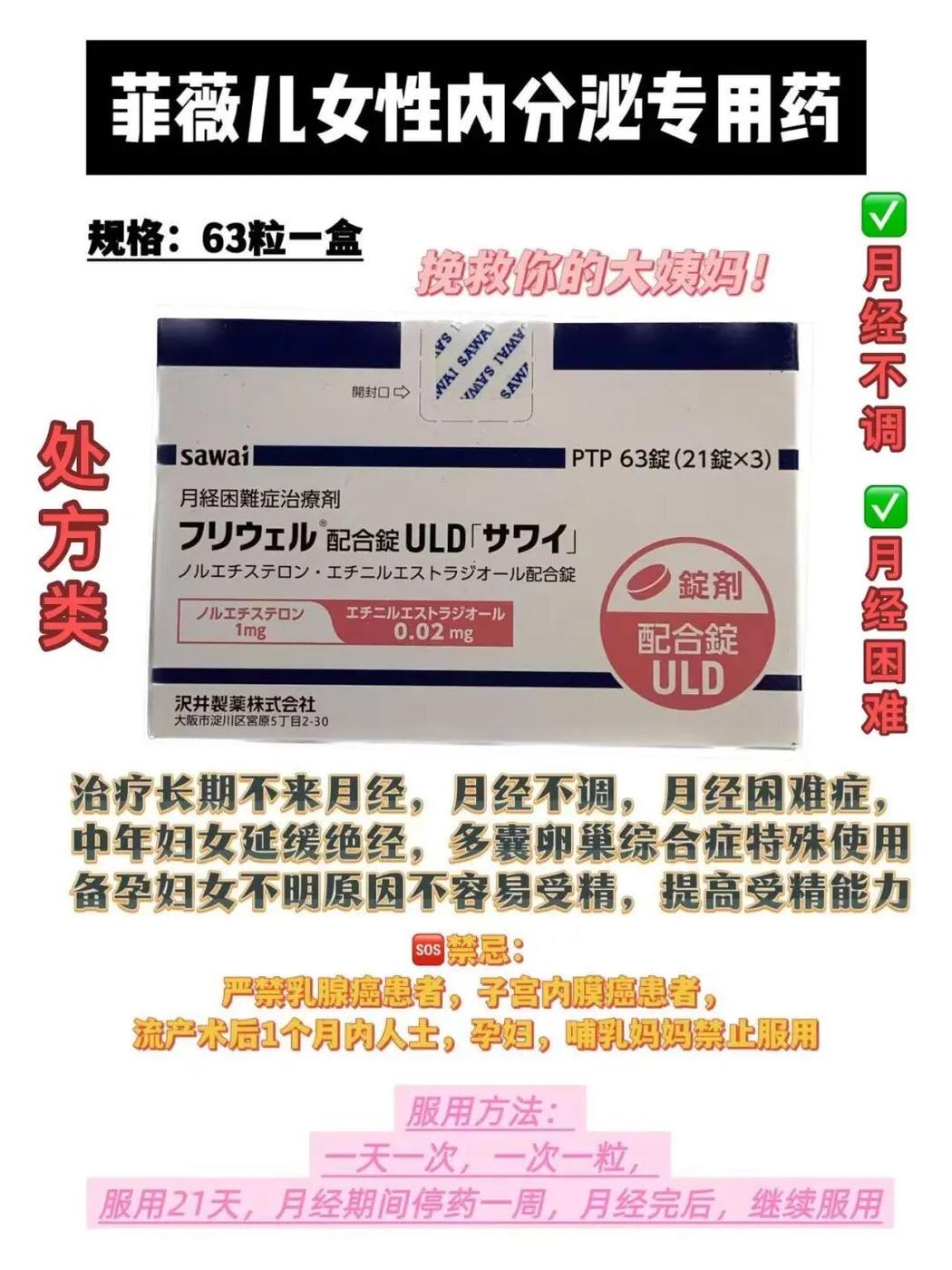
日本語原題:フリウェル配合錠ULD「サワイ」

Published2025-05-16 13:22 Maker沢井 FormTablet Content10 sections / 1 images
English translation of the Japanese package insert is the main text; the Japanese original is shown alongside for verification. Use the language menu (top right) to read the page in another language. This site is for reference only — consult a doctor or pharmacist before use.
Section 1 · 01
English translation
Feature Description 1. "Dysmenorrhea" Norethisterone and ethinylestradiol suppress prostaglandin production through ovulation-suppressing and endometrial proliferation suppression, and are thought to relieve pain caused by uterine smooth muscle contractions. 2. "Adjustment of the Start Timing of Regulated Ovarian Stimulation in Assisted Reproductive Technology" A combination formulation of noretisterone and ethinylestradiol is administered for a certain period, suppressing the secretion of endogenous follicular hormone and luteal hormone, while maintaining the blood concentrations of synthetic follicular hormone and synthetic luteal hormone, which are active ingredients in the formulation, for a certain period. Discontinuing the formulation causes these levels to rapidly decrease, causing the endometrium to peel down, Withdrawal bleeding occurs, which determines the timing of initiating regulated ovarian stimulation in assisted reproductive technology. 3. Ovulation suppression effect When 14 healthy adult women were given a combination of noretisterone 1 mg and ethinylestradiol (0.035 mg or 0.02 mg) once daily for 21 days, suppression of estradiol and progesterone secretion was observed in all cases.
Section 2 · 02
English translation
Specifications PTP [with desiccant]: 63 tablets (21 tablets ×3).
Section 3 · 03
English translation
White, plain tablets (uncoated tablets).
Section 4 · 04
English translation
Ingredient Information Active ingredients [per tablet]: Japanese norethysterone 1mg, Japanese ethinylestradiol 0.02mg. Additives: Mg stearate, lactose, partially alpha-starch.
Section 5 · 05
English translation
Indications 1. Dysmenorrhea. 2. Adjustment of the timing of initiating regulated ovarian stimulation in assisted reproductive technology.
Section 6 · 06
English translation
Dosage and Administration 1. "Dysmenorrhea" One tablet is administered orally at a fixed time each day for 21 days, then taken off for 7 days. Each 28-day administration cycle is administered, and regardless of whether bleeding has ended or continues, the next cycle of tablets is administered from day 29 onward, repeating the same cycle. 2. "Adjustment of the Start Timing of Regulated Ovarian Stimulation in Assisted Reproductive Technology" One tablet is administered orally at a fixed time each day, usually for 14~21 days.
Section 7 · 07
English translation
Notes 1. "Common Efficacy" (1) Do not use this drug for contraceptive purposes. (2) Thrombosis may occur with this drug regardless of risk factors such as age, smoking, obesity, or family history. If the following symptoms appear, immediately discontinue administration and take appropriate measures. Main symptoms of thrombosis requiring urgent attention Sudden pain or swelling in the lower limbs, sudden shortness of breath, chest pain, severe headache, weakness or paralysis of the limbs, speech disorders, acute visual impairment, and similar symptoms. Patients should also be advised to stop taking the medication immediately and seek medical attention if such symptoms appear. (3) If symptoms suggestive of thrombosis appear during administration of this drug, take appropriate measures such as discontinuing administration. Symptoms suspected of thrombosis Lower limb pain, swelling, numbness, redness, heat sensation, headache, nausea, vomiting, etc. (4) If a condition increasing the risk of thrombosis (such as immobility, significant blood pressure rise, dehydration, etc.) is observed, appropriate measures such as discontinuing administration should be taken. (5) Explain the following to patients at the start and continuation of administration. ・Thrombosis can follow life-threatening courses. ・If symptoms suggestive of thrombosis appear or if the risk of thrombosis increases, even if symptoms or conditions are mild, stop taking the medication immediately and consult a doctor. ・If you suspect thrombosis and visit another medical institution, inform your doctor about the use of this drug so that you can receive an examination with thrombosis caused by this drug in mind. (6) If surgery is deemed necessary while taking this drug, pay close attention to preventing thrombosis. (7) There are reports that the risk of serious cardiovascular side effects increases with age and smoking amount; therefore, patients taking this drug should be instructed to quit smoking. (8) Since this drug is a combination of progesterone and follicular hormone, if you are using medications containing progesterone or follicular hormone (such as oral contraceptives), discontinue this medication before starting administration. Also, instruct patients not to use these drugs during administration of this drug. 2. 〈Dysmenorrhea〉 (1) When administering this drug, medical history investigation and medical examination are necessary. This screening includes blood pressure measurement, breast and abdominal examinations, and clinical examinations. During administration of this drug, check-ups should be conducted every six months, and at least once a year, examinations of pelvic organs focusing on the uterus and ovaries should be performed. Also, consider conducting cervical cytology once a year. (2) For breast cancer screening, patients should be instructed to perform self-examinations. (3) In patients with dysmenorrhea accompanied by organic diseases during administration of this drug, pay attention to the occurrence of abnormal genital bleeding and regularly perform internal examinations and ultrasound examinations to check for exacerbation of organic diseases. In particular, there are reports suggesting that endometriotic ovarian cysts (ovarian chocolate cysts) can become malignant during natural courses, so imaging diagnostics and tumor marker tests should also be performed. If exacerbation of organic diseases such as tumor enlargement is observed during administration of this drug, consider other treatments before deciding whether to continue administration. (4) During administration of this drug, closely monitor the course of administration, and if the expected effect is not achieved, do not continue administration indiscriminately; consider other appropriate treatments. (5) If abnormal genital bleeding occurs during administration, it usually disappears during continued administration but persists for a long time. Administer after confirmation by vaginal cytology or other tests that it is not caused by malignant disease. (6) Irregular menstruation such as rare menstruation or abnormal genital bleeding may be observed with administration of this drug. Patients should be thoroughly informed in advance and advised to consult a doctor if the amount of bleeding is heavier, longer, or if menstruation does not occur. For patients with persistent bleeding, perform blood tests as needed, and if abnormalities are detected, take appropriate measures such as administering iron supplements or discontinuing this drug. (7) If severe diarrhea or vomiting persists during use, malabsorption of this drug may occur, increasing the risk of pregnancy, so caution is advised. 3. "Adjustment of the Start Timing of Regulated Ovarian Stimulation in Assisted Reproductive Technology" (1) Use this drug only under the guidance of a physician with sufficient knowledge and experience in infertility treatment. Explain in advance to patients the expected risks and symptoms to watch for when administering this drug. (2) If severe diarrhea or vomiting persists during use, malabsorption of this drug may occur, and there is a possibility that withdrawal bleeding will not occur at the scheduled time; consult a doctor.
Section 8 · The main symptoms of thrombosis requiring emergency treatment
English translation
Sudden pain/swelling in the lower limbs, sudden shortness of breath, chest pain, severe headache, weakness/numbness in the limbs, speech disorders, acute visual impairment, etc. Patients should be informed that if these symptoms appear, they should stop taking the medication immediately and seek medical attention at an emergency medical facility. (3) During medication, if thrombosis symptoms (lower limb pain/swelling/numbness/redness/burning sensation, headache, nausea/vomiting, etc.) are suspected, the medication should be discontinued and appropriate measures taken. (4) If an increased risk of thrombosis is found (such as limited limb movement, significant elevated blood pressure, dehydration, etc.), medication should be discontinued and appropriate measures taken. (5) The following information should be explained to patients during the start and duration of medication: - Thrombosis can be life-threatening. - If symptoms of suspected thrombosis or increased risk of thrombosis occur, even mild symptoms, stop the medication immediately and consult a doctor. - If you are seeking treatment at another medical institution for suspected thrombosis, inform your doctor that you are using this medication so they can consider any possible thrombosis caused by this medication for diagnosis. (6) If surgery is necessary during medication, thrombosis prevention must be fully considered. (7) Reports indicate that age and smoking may increase the risk of serious cardiovascular side effects, requiring guidance on patients taking medication to quit. (8) This drug is a combination of progesterone and estrogen. If the patient is using progesterone or estrogen-containing medications (such as oral contraceptives), discontinue this medication before starting it and advise patients to avoid such medications during the medication period. 2. "Dysmenorrhea" (1) Before using this drug, the patient's medical history should be reviewed and examinations performed, including blood pressure measurement, breast and abdominal examination, and clinical tests. During medication, have examinations every 6 months, at least once a year focusing on the uterus and ovaries, and consider annual cervical cytology. (2) Patients should be guided to perform breast self-examination. (3) For patients with dysmenorrhea complicated by organic diseases during medication, attention should be paid to abnormal genital bleeding, and regular pelvic examinations and ultrasound examinations should be performed to confirm whether organic diseases have worsened. It is especially important to note that reports indicate that endometriosis ovarian cysts (ovarian chocolate cysts) may have malignant tendencies during the natural course of the disease, requiring imaging diagnosis and tumor marker examinations. If organic diseases such as tumor enlargement worsen during medication, further treatment should be considered before continuation. (4) Monitor the condition carefully during medication. If the expected effect is not achieved, continue the medication blindly; consider other appropriate treatment plans. (5) If abnormal genital bleeding occurs during medication, it usually disappears with continued treatment; If the medication persists long-term, vaginal cytology and other tests should be performed to rule out malignant disease before deciding whether to continue the medication. (6) Taking this medicine may cause menstrual irregularities such as infrequent menstruation or abnormal genital bleeding; patients should be fully informed in advance. If bleeding is more than normal menstruation, prolonged, or there is no menstruation, patients should consult a doctor. For patients with persistent bleeding, blood tests should be performed as needed. If abnormalities are found, appropriate measures such as iron supplementation or discontinuation of medication should be taken. (7) If severe diarrhea or vomiting persists during treatment, malabsorption may occur, increasing pregnancy risk; caution is required. 3. "Adjustment of the Start Time of Controlled Ovarian Stimulation in Assisted Reproductive Technology" (1) This drug must be used under the guidance of a doctor with sufficient knowledge and experience in infertility treatment, and patients should be informed in advance of the potential risks and symptoms to watch for. (2) If severe diarrhea or vomiting persists during medication, malabsorption of this drug may occur, and withdrawal bleeding may not occur within the expected time; consult a doctor.
Section 9 · 08
English translation
Side Effects 1. Thrombosis (limbs, lungs, heart, brain, retina, etc.) (frequency unknown) If symptoms such as sudden pain or swelling in the lower limbs, sudden shortness of breath, chest pain, severe headache, limb weakness or paralysis, speech disorders, or acute visual impairment appear, immediately discontinue administration and provide appropriate treatment. 2. Anaphylaxis (frequency unknown) Symptoms such as difficulty breathing, hives, angioedema, and itching may occur. 3. Allergies Rashes, drug rashes, facial edema. 4. Blood Anemia. 5. Psychiatric Nerves Headache (15.5%), fatigue, dizziness, irritability, dizziness, numbness, olfactory errors, drowsiness, Sleepiness, emotional instability, facial numbness, migraines, abnormal sensations, hypersensitivity, sleep disorders, nervousness, heaviness in the head, numbness, tremors, depression. 6. Eyes Foggy vision, visual impairment (decreased vision, visual field defects, etc.). 7. Circulator Increased blood pressure, palpitations, hot flashes, peripheral edema, orthostatic hypotension. 8. Digestive system Nausea (17.9%), upper abdominal pain, vomiting, abdominal pain, diarrhea, constipation, stomach pain, abdominal bloating, bloating, gastritis, irritable bowel syndrome, stomach discomfort, toothache, painful bowel movements, gastrointestinal motility disorders, stomatitis, loss of appetite, hemorrhoids, enteritis, abdominal discomfort, indigestion, gastroenteritis, dry mouth, heartburn, increased appetite. 9. Liver Liver dysfunction and jaundice. 10. Skin Acne, eczema, urticaria, erythema multiforme, atopic dermatitis, female genital pruritus, erythema, pruritus, dry skin, purpura, pigmentation, alopecia, erythema nodosum. 11. Muscles and Skeleton Back pain, limb pain, muscle spasms, musculoskeletal stiffness. 12. Kidneys and Urinary Tract Urethritis and urinary protein are positive. 13. Ovaries Hemorrhagic ovarian cysts, ovarian neoplasms, ovarian cysts, ovarian hematoma, ovarian hemorrhage. 14. Uterus Irregular genital bleeding (rupture bleeding, petechia) (LD: 60.0%, ULD: 81.1%) Note 2), infrequent menstruation (LD: 14.1%, ULD: 35.8%), heavy menstruation, lower abdominal pain, oligostruation, frequent menstruation, amenorrhea, irregular menstruation, genital discharge, uterine enlargement, irregular withdrawal bleeding, intercourse bleeding, degeneration of uterine fibroids, uterine leiomyoma, cervical polyps, premenstrual syndrome, uterine bleeding, changes in menstrual flow, Increased hypovaginal disorder. 15. Breasts Breast pain, breast discomfort, discomfort and tightness of the breast, breast atrophy, milk secretion, breast cancer, breast tumors, galactorrhea, fibrocystic breast disease, fibroadenoma of the breast. 16. Clinical Examination Increased AST, increased ALT, increased γ-GTP, increased plasminogen, increased blood triglycerides, increased blood cholesterol, increased blood fibrinogen, decreased blood iron, increased platelet count, increased blood bilirubin, increased blood iron, cervical smear abnormalities, increased fibrin D-dimer. 17. Others Decreased libido, heat sensation, chest discomfort, inflammatory pain, shingles, sinusitis, dental caries, candidiasis, rhinitis, meningiomas, fever, tinnitus, dryness of the vulva, allergic rhinitis, excessive sweating.
Section 10 · 09
English translation
taboo 1. Patients with a predisposition to hypersensitivity to any component of this drug 2. Patients with estrogen-dependent malignancies (such as breast cancer, endometrial cancer), cervical cancer, and suspected cases [may promote tumor exacerbation or manifestation). ] 3. Patients with abnormal genital bleeding whose diagnosis has not been confirmed [suspected genital cancer]. If the bleeding is caused by genital cancer, it may promote the progression or manifestation of the cancer. ] 4. Patients with thrombophlebitis, pulmonary embolism, cerebrovascular disorders, coronary artery disease, or a history of these [blood coagulation capacity may be elevated, which may worsen these symptoms]. ] 5. Smokers aged 35 and over who smoke 15 or more cigarettes per day [There are reports that cardiovascular disorders such as myocardial infarction are more likely. ] 6. Patients with migraines with aura (flash scotoma, star flashes, etc.) [There are reports that migraine patients with aura are more likely to develop cerebrovascular disorders (such as stroke) compared to those without aura. ] 7. Patients with valvular heart disease complicated by pulmonary hypertension or atrial fibrillation, or patients with a history of subacute bacterial endocarditis [There are reports that cardiovascular disorders such as thrombosis are more likely. ] 8. Diabetic patients with vascular lesions (diabetic nephropathy, diabetic retinopathy, etc.) [There are reports that cardiovascular disorders such as thrombosis are more likely to occur. ] 9. Patients with thrombotic predisposition [There are reports that cardiovascular disorders such as thrombosis are more likely. ] 10. Patients with antiphospholipid antibody syndrome [There are reports that cardiovascular disorders such as thrombosis are more likely to occur. ] 11. Patients within 4 weeks before surgery, within 2 weeks postoperatively, within 4 weeks postpartum, and in prolonged rest. [Increased blood coagulation capacity may increase the risk of cardiovascular side effects. ] 12. Patients with severe liver impairment 13. Patients with liver tumors [symptoms may worsen]. ] 14. Patients with lipid metabolism disorders [There are reports that cardiovascular disorders such as thrombosis are more likely to occur. Additionally, it can affect lipid metabolism, which can worsen symptoms. ] 15. Patients with hypertension (excluding those with mild hypertension) [There are reports that cardiovascular disorders such as thrombosis are more likely to occur. Symptoms may also worsen. ] 16. Patients with otosclerosis [symptoms may worsen]. ] 17. Patients with a history of jaundice, persistent pruritus, or herpes gravidarum during pregnancy [there is a risk of symptom recurrence. ] 18. Pregnant women or patients who are likely to become pregnant 19. Nursing Women 20. Patients whose bone growth may not have been completed [may experience premature closure of epiphyseals]. ]

Source images

1 images

Need help sourcing Japanese medicines or OEM production?

💬