Neuro & Psychiatric · NERVOUS

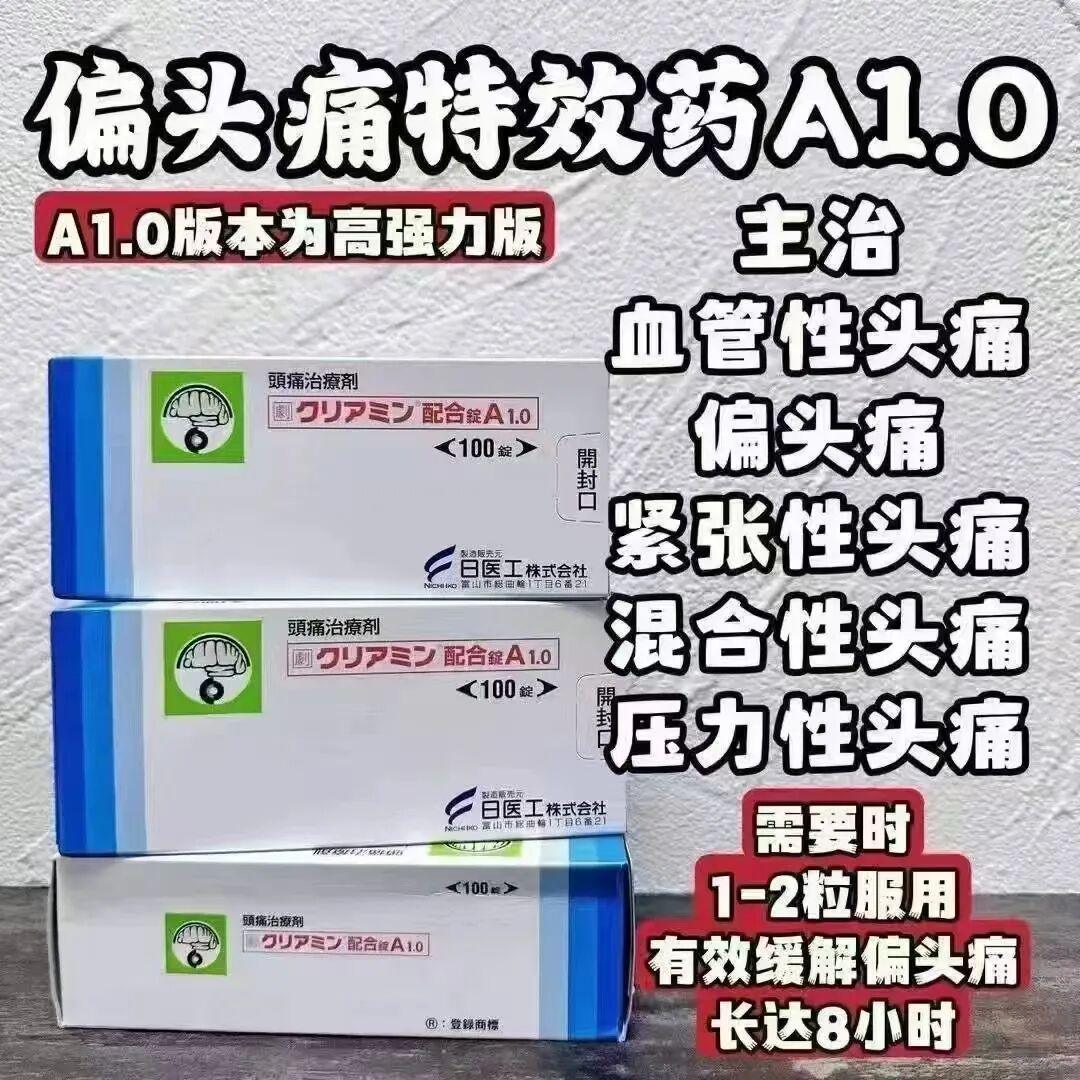
Ergotamine tartrate + anhydrous caffeine + isopropyl antipyline

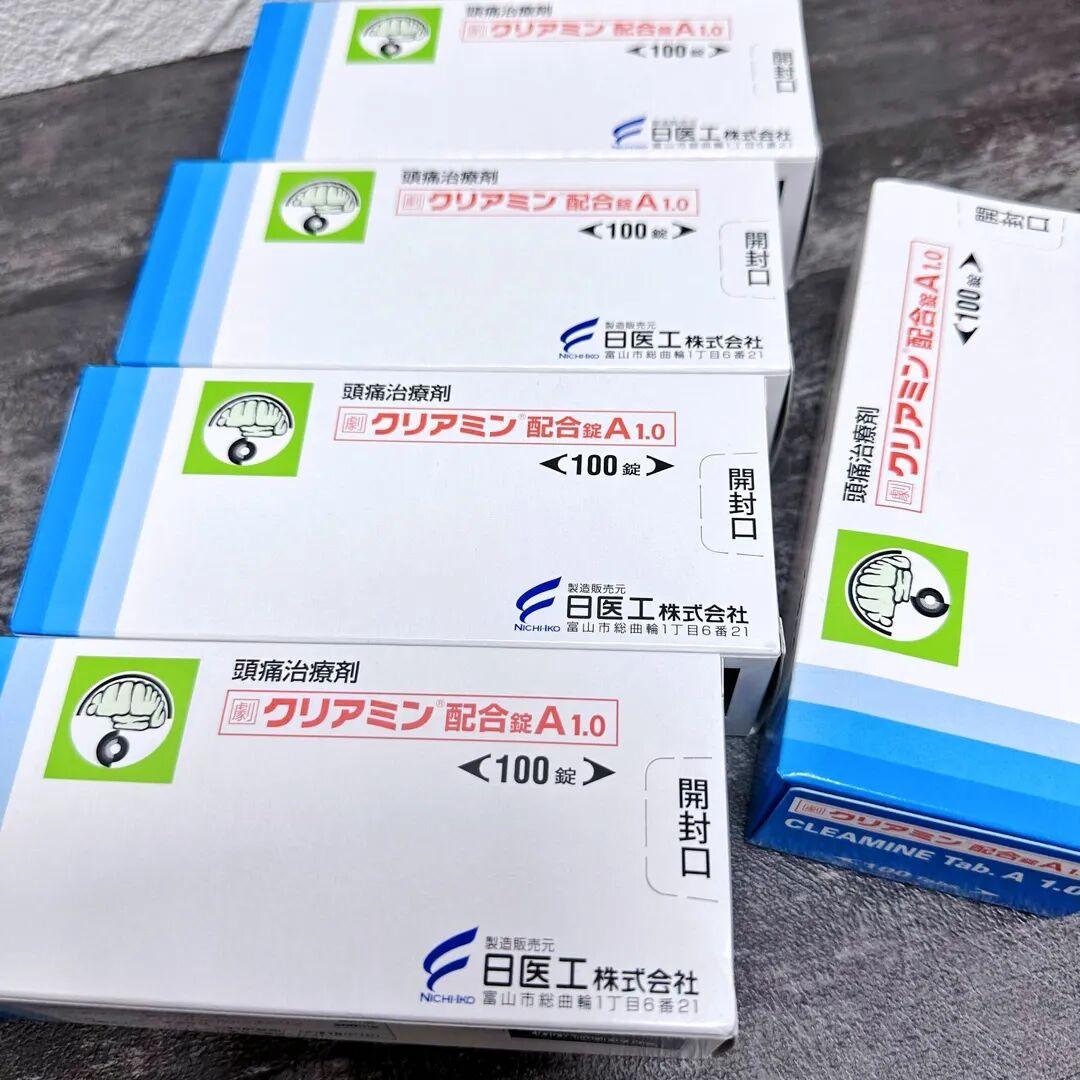
日本語原題:クリアミン配合錠A1.0

Published2025-05-28 08:26 Maker日医工 FormTablet Content9 sections / 2 images
Ingredients / strength:
Each tablet contains 1mg of ergotamine tartrate, 50mg of anhydrous caffeine, and 300mg of isopropylantipyrine.
English translation of the Japanese package insert is the main text; the Japanese original is shown alongside for verification. Use the language menu (top right) to read the page in another language. This site is for reference only — consult a doctor or pharmacist before use.
Section 1 · 01
English translation
Feature Description 1. Effects of ergotamine tartrate on blood vessels Intravenous injection of 0.37~0.5 mg of ergotamine tartrate reduced pulsation and amplitude of the temporal and occipital arteries by approximately 50% in both healthy individuals and migraine patients. In migraine patients, headache resolution was observed almost simultaneously with a reduction in arterial pulse amplitude. 2. Analgesic effects of ergotamine tartrate, anhydrous caffeine, and isopropyl antipyrine combination In the results of examining the analgesic effects of the Writhing acetate method, Haffner modification, and pressure stimulation method in mice, the three-component combination showed higher analgesic effects compared to isopropyl antipyrine alone in all methods, with synergistic effects observed through the combination. 3. The synergistic effect of ergotamine tartrate and caffeine In a comparison between oral administration of ergotamine tartrate and caffeine combination agents and ergotamine tartrate monophthalic agents in healthy adults, higher blood ergotamine concentrations were obtained with the combination drug, and caffeine-induced absorption of ergotamine tartrate through the gastrointestinal tract was observed.
Section 2 · 02
English translation
Specifications 100 tablets [10 tablets×10; PTP: with desiccant].
Section 3 · 03
English translation
Characteristics Nucleated tablets, outer layer pale yellow, inner core white.
Section 4 · 04
English translation
Ingredient Information Active ingredients: per tablet, 1mg ergotamine tartrate, 50mg anhydrous caffeine, 300mg isopropylantipyrine. Additives: lactose hydrate, corn starch, crystalline cellulose, calcium carmerose, polyvinyl alcohol (partial saponide), magnesium stearate, yellow No. 4 (tartrazine).
Section 5 · 05
English translation
Vascular headaches, migraines, tension headaches.
Section 6 · 06
English translation
Dosage and Administration Typically adults, one tablet per dose, administered orally 2~3 times a day. If there are warning signs of a headache attack, 1~2 tablets should be taken at once. Adjust the amount appropriately depending on age and symptoms. However, the maximum is 10 tablets per week.
Section 7 · 07
English translation
Notes 1. Conduct thorough medical interviews to predict hypersensitivity symptoms. 2. As a rule, avoid long-term administration. 3. Since dizziness and other symptoms may occur, patients receiving this drug should be advised to exercise caution when operating dangerous machinery such as driving a vehicle. 4. Avoid excessive smoking, as ergotamine may enhance vasoconstrictive effects.
Section 8 · 08
English translation
Side Effects 1. Shock (frequency unknown) Shock symptoms such as abnormal pulse, difficulty breathing, pale face, and low blood pressure may appear. 2. Toxic Epidermal Necrolysis (TEN) (frequency unknown), Stevens-Johnson syndrome (frequency unknown) 3. Ergot poisoning (frequency unknown) Since ergot poisoning symptoms such as vascular spasms, endarteriitis, cyanosis, and gangrene may occur, if abnormalities such as numbness, tingling, pain or loss of pulse in the limbs are observed, discontinue administration and take appropriate measures. It may also be accompanied by renal dysfunction due to renal blood flow disorders, impaired consciousness due to cerebral blood flow disorders, paralysis, and other complications. (It can especially appear with long-term or high-dose administration.) ) 4. Ergotamine-induced headaches (frequency unknown), withdrawal symptoms primarily complained of headaches (frequency unknown) Long-term continuous use may cause ergotamine-induced headaches, and sudden discontinuation of administration may cause withdrawal symptoms primarily complained of headaches. 5. Liver dysfunction (frequency unknown), jaundice (frequency unknown) Liver dysfunction accompanied by elevated levels of AST and ALT may occur, and jaundice may occur. 6. Myocardial ischemia (frequency unknown), myocardial infarction (frequency unknown) Myocardial ischemia and myocardial infarction may occur, so if abnormalities such as anterior chest pain are observed, discontinue administration and take appropriate measures. 7. Fibrosis (frequency unknown) There have been reports of fibrosis of the pleura, retroperitoneum, or heart valves due to long-term continuous use. 8. Allergies Rash, localized edema, itching, hives, difficulty breathing. 9. Blood Granulocytopenia, thrombocytopenia, anemia. 10. Kidneys Kidney impairment. 11. Digestive System Loss of appetite, nausea, vomiting, diarrhea, abdominal pain. 12. Circulator Palpitations, bradycardia, tachycardia, chest discomfort, elevated blood pressure. 13. Neuropsychiatric System Insomnia, dizziness, drowsiness, anxiety, tremors, headaches, dizziness. 14. Exercise Equipment Sensory abnormalities (numbness and tingling in the limbs), muscle pain in the limbs, weakness in the limbs. 15. Others Fatigue, pupil constriction or dilation.
Section 9 · 09
English translation
taboo 1. Patients with peripheral vascular disorders or occlusive vascular disorders [Ergotamine's vasoconstrictive effect may worsen symptoms. ] 2. Patients with angina [may cause changes in ECG or angina attacks. ] 3. Patients with coronary arteriosclerosis [There is a risk of angina or myocardial infarction due to vascular spasms. ] 4. Patients with poorly controlled hypertension, shock, or temporal arteritis [may worsen symptoms]. ] 5. Patients with liver or kidney dysfunction 6. Patients with sepsis [increased sensitivity to vascular effects, increasing risk of gangrene with infection. ] 7. Pregnant women or women who may be pregnant 8. Nursing Women 9. Patients with a history of hypersensitivity to this drug, ergot alkaloids (such as ergotamine), or pyrazolone drugs (such as sulfirin, aminopyrine). 10. Patients with heart valve lesions confirmed by echocardiography such as apical hypertrophy, limited heart valve mobility, and associated stenosis, as well as those with a history of these [may worsen symptoms]. ] 11. HIV protease inhibitors (ritonavir-containing preparations, fosamprenavir, atazanavir, darnavir), efavirenz, covicistat-containing preparations, macrolide antibiotics (erythromycin, josamycin, clarithromycin, roxithromycin), azole antifungal drugs (itraconazole, miconazole, fluconazole, fosfluconazole, Patients receiving voriconazole, posaconazole), letermovir, ensitrelvir, lenacapavir, lonafarnib, 5-HT1B/1D receptor agonists (sumatriptan, zolmitriptan, etriptan, lizatriptan, naratriptan), ergot alkaloids (ergomethrin, methylergomethrin) Patients who use adenosine (adenoscan) within 12 to 12 hours

Source images

2 images

Need help sourcing Japanese medicines or OEM production?

💬