Respiratory · RESPIRATORY

Theophylline

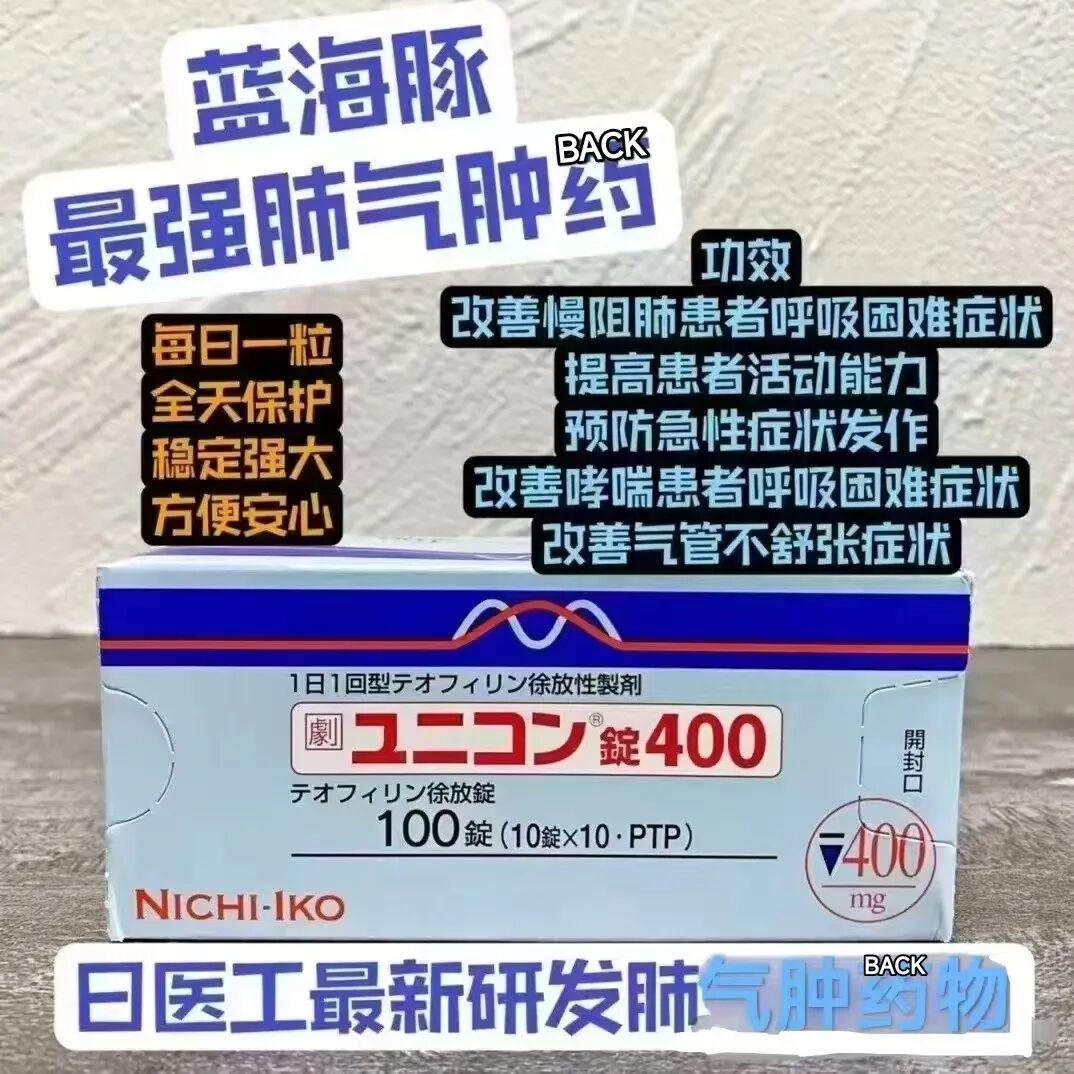
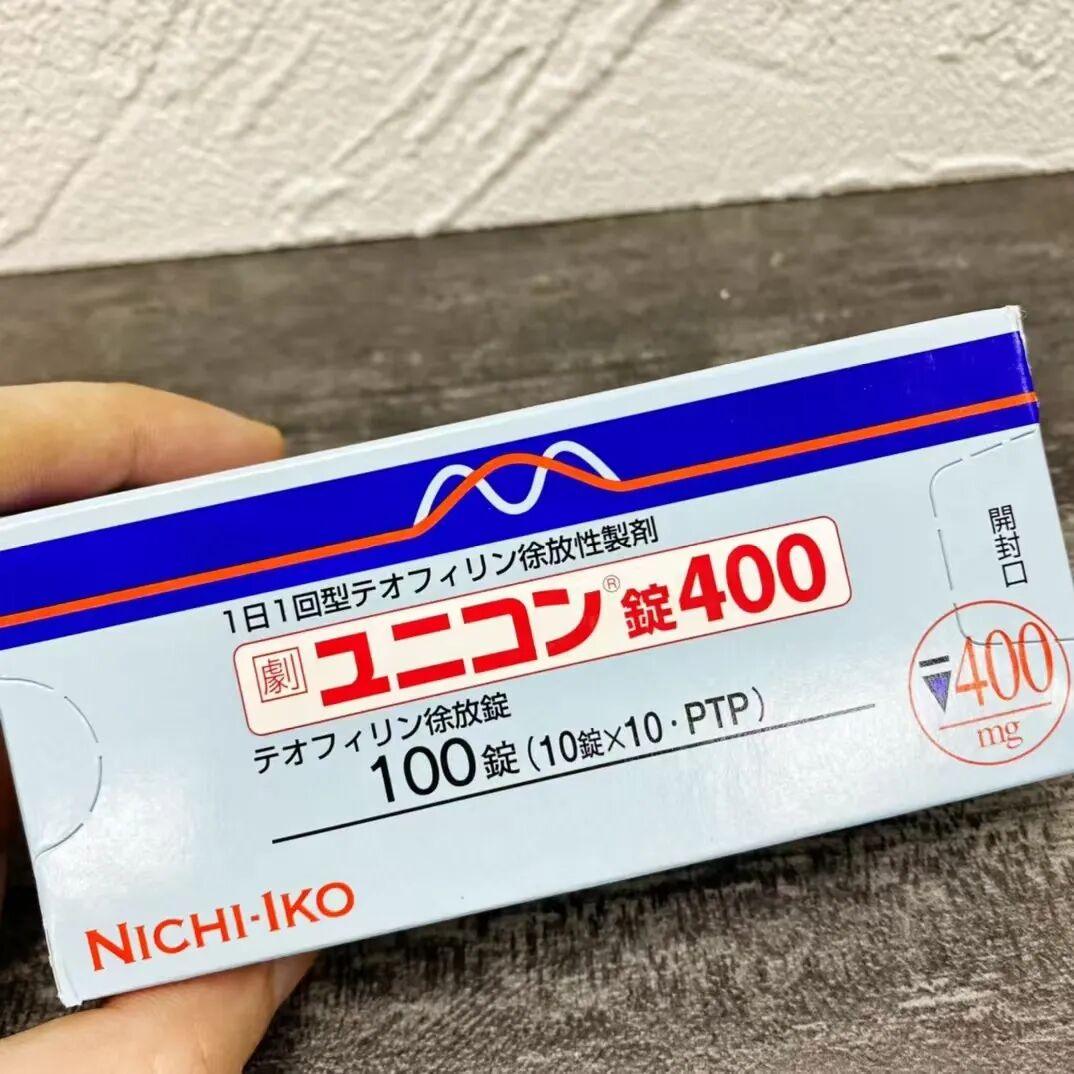
日本語原題:ユニコン錠400

Published2025-05-29 14:05 Maker日医工 FormTablet Content9 sections / 2 images
Ingredients / strength:
Each tablet contains 400mg of theophylline.
English translation of the Japanese package insert is the main text; the Japanese original is shown alongside for verification. Use the language menu (top right) to read the page in another language. This site is for reference only — consult a doctor or pharmacist before use.
Section 1 · 01
English translation
Feature Description Theophylline exhibits increased c-AMP through phosphodiesterase inhibition, adenosine receptor antagonism, regulation of intracellular Ca2+ distribution, inhibition of bronchoconstrictor release from mast cells, and increased diaphragmatic contractile capacity. In patients with bronchial asthma, anti-inflammatory effects such as improved respiratory function have been observed, along with reductions in total eosinophil counts and activated eosinophils in sputum, as well as decreased levels of ECP (eosinophilcationic protein), a cytotoxic protein in peripheral blood. Theophylline exhibits excellent anti-asthma effects due to these actions. Additionally, in patients with chronic obstructive pulmonary disease who received this drug, decreases in neutrophils, IL-8, and TNF-α levels in sputum have been reported.
Section 2 · 02
English translation
Specifications 100 tablets [10 tablets×10; PTP].
Section 3 · 03
English translation
White, sustained-release tablet.
Section 4 · 04
English translation
Ingredient Information Active ingredient: 400mg of theophylline per tablet. Additives: hydroxyethyl cellulose, povidone, cetostearyl alcohol, magnesium stearate, talc.
Section 5 · 05
English translation
Bronchial asthma, chronic bronchitis, emphysema.
Section 6 · 06
English translation
Dosage and Administration Typically, adults receive 400 mg of theophylline orally once daily after dinner. Adjust the amount appropriately depending on age and symptoms.
Section 7 · 07
English translation
Notes 1. Since it is often caused by elevation, it is desirable to properly monitor blood concentrations and establish dosing plans tailored to each patient. 2. When administering to children, especially infants and toddlers, it is advisable to instruct guardians and others in advance on measures such as temporarily reducing or stopping the dose if a fever occurs. 3. Since children generally have a weaker ability to report subjective symptoms, when administering this drug, parents should be instructed to closely observe the child's condition and promptly contact the attending physician if abnormalities are observed to take appropriate measures.
Section 8 · 08
English translation
Side Effects 1. Convulsions, impaired consciousness (frequency unknown) Convulsions, delirium, coma, and other impaired consciousness may occur, so appropriate measures such as administration of anticonvulsants should be taken. 2. Acute encephalopathy (frequency unknown) Since convulsions and consciousness disturbances may lead to acute encephalopathy, if such symptoms appear, discontinue administration and take appropriate measures such as anticonvulsant medication. 3. Rhabdomyolysis (frequency unknown) Pay attention to weakness, muscle pain, increased CK, etc., and if such symptoms appear, discontinue administration, provide appropriate treatment, and be cautious of acute kidney injury caused by rhabdomyolysis. 4. Gastrointestinal bleeding (frequency unknown) Gastrointestinal bleeding (vomiting blood, blood from the lower throat, etc.) caused by ulcers may occur. 5. Erythroblastic tuberculosis (frequency unknown) Anemia may occur. 6. Anaphylactic shock (frequency unknown) Anaphylactic shock (urticaria, pallor, sweating, low blood pressure, difficulty breathing, etc.) may occur. 7. Liver dysfunction, jaundice (frequency unknown) Liver dysfunction (such as elevated AST and ALT levels) and jaundice may occur. 8. Allergies Rash, urticaria, erythema (erythema multiforme, exudative erythema, etc.), fixed drug rash, itching. 9. Neuropsychiatric System Headache, dizziness, tremors, insomnia, nervousness (excitement, irritability, irritability), tinnitus, numbness, anxiety, involuntary movements, hypertonia. 10. Circulator Palpitations, tachycardia, facial flushing, pallor, arrhythmias (such as ventricular extrasystole) 11. Digestive System Nausea and vomiting, abdominal pain, indigestion (such as heartburn), loss of appetite, diarrhea, hiccups, abdominal bloating. 12. Urinary System proteinuria, frequent urination. 13. Metabolic abnormalities Increased CK and elevated serum uric acid levels. 14. Liver AST and ALT increased, while Al-P, LDH, and γ-GTP increased. 15. Blood Anemia, eosinophils. 16. Others Swelling, joint pain, limb pain, sweating, chest pain, hypokalemia, nosebleeds, numbness (around mouth and tongue), fatigue.
Section 9 · 09
English translation
taboo 1. Patients with a history of serious adverse effects from this drug or other xanthine drugs 2. Patients who use adenosine (adenoscan) within 12 hours

Source images

2 images

Need help sourcing Japanese medicines or OEM production?

💬