Vitamins & Nutrition · NUTRITION

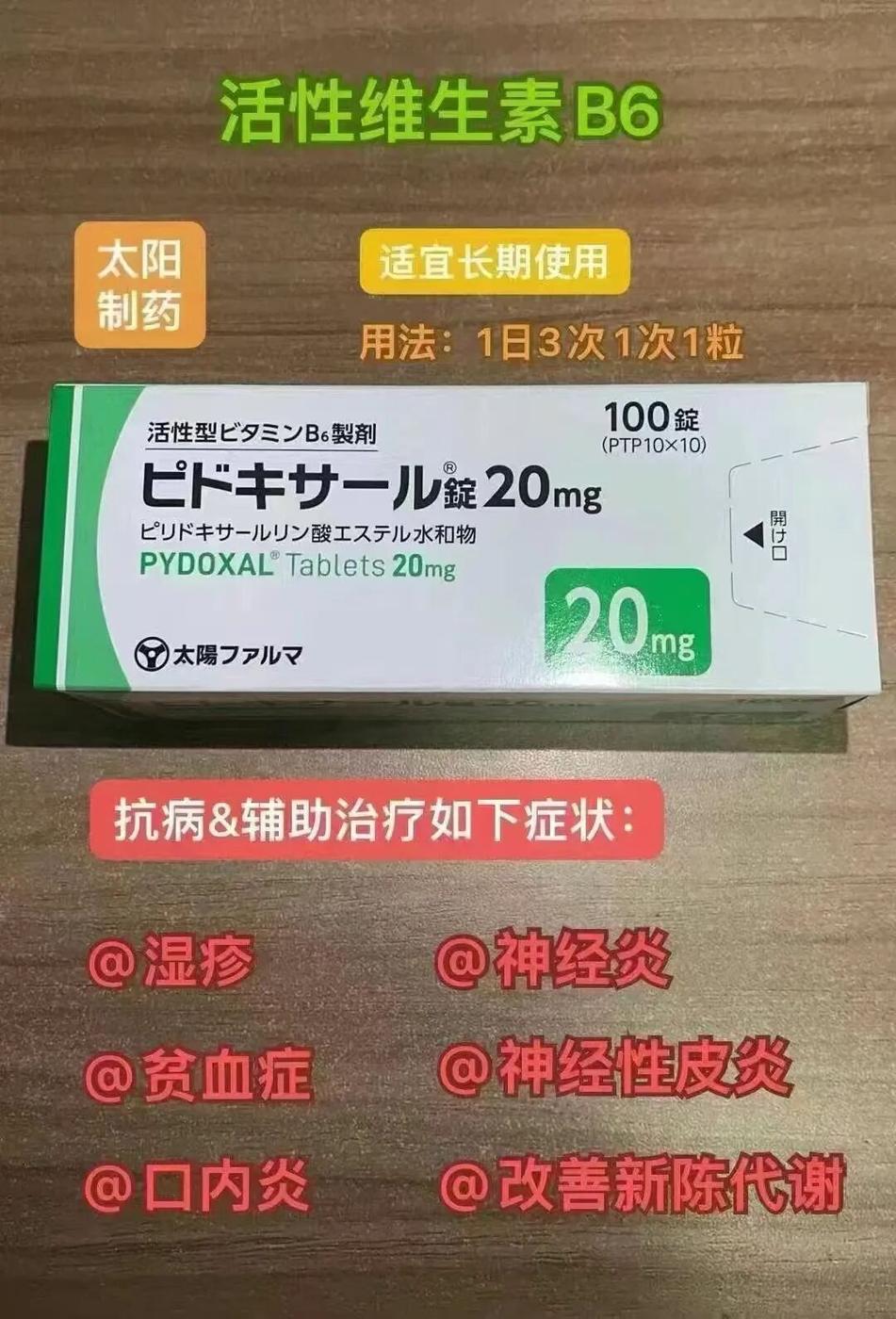
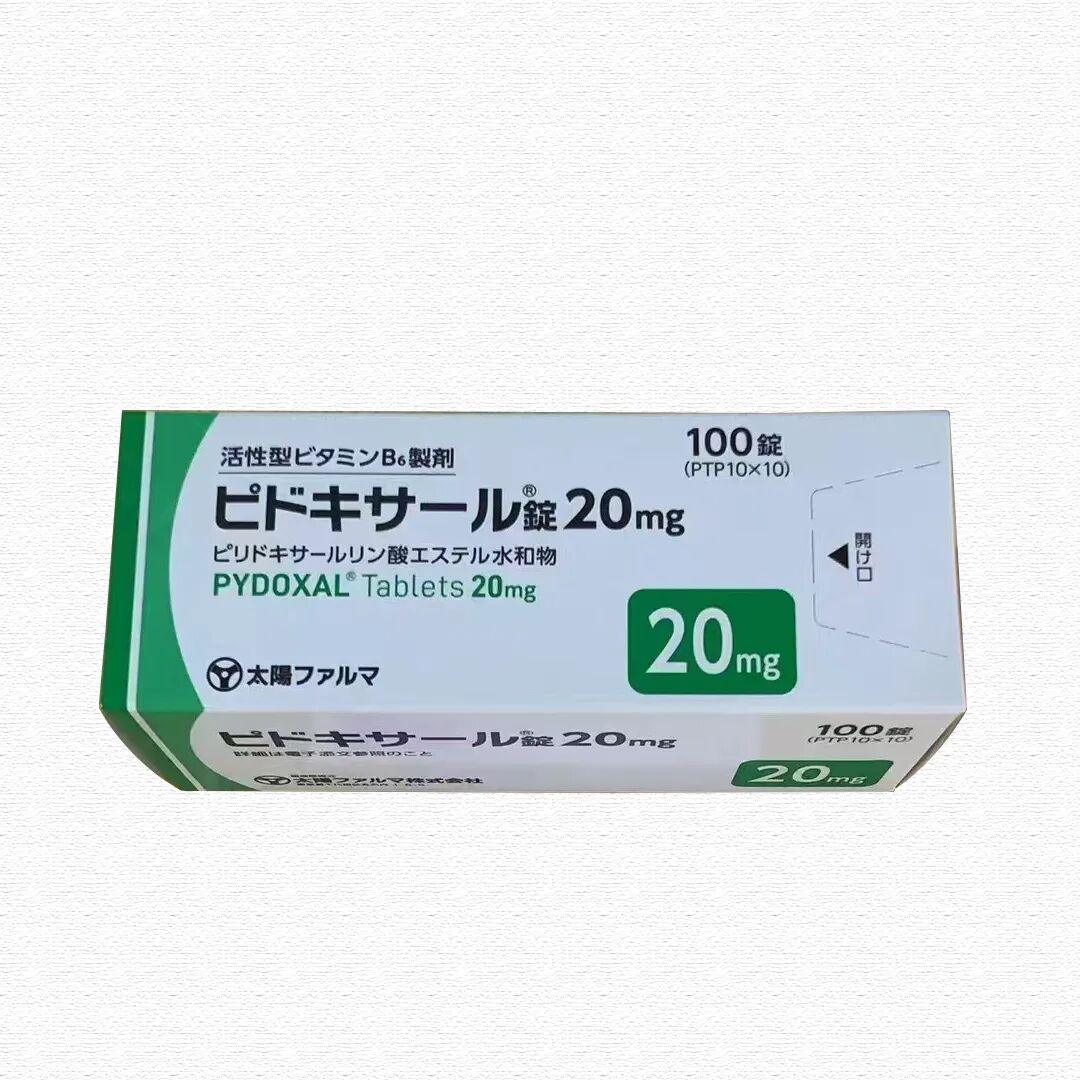
Pyridoxal Phosphate Hydrate

日本語原題:ピドキサール錠20mg

Published2025-06-13 02:03 FormTablet Content8 sections / 2 images
Ingredients / strength:
Each tablet contains 20mg of Japanese-formulated pyridoxal phosphate ester hydrate.
English translation of the Japanese package insert is the main text; the Japanese original is shown alongside for verification. Use the language menu (top right) to read the page in another language. This site is for reference only — consult a doctor or pharmacist before use.
Section 1 · 01
English translation
Feature Description Pyridoxal phosphate esters are involved in numerous coenzymes, with representative examples including transaminase, kynureninase, amino acid decarboxylase, dehydrase, and monoamine oxidase), histaminase, and others.
Section 2 · 02
English translation
Specifications 100 tablets [10 tablets (PTP)×10].
Section 3 · 03
English translation
White sugar-coated tablets (enteric-coated tablets).
Section 4 · 04
English translation
Ingredient Information Active ingredient: per tablet, 20mg of Nichiku pyridoxal phosphate hydrate. Additives: calcium citrate hydrate, lactose hydrate, corn starch, crystalline cellulose, calcium carmerose, talc, hypromellose phthalate, white cerac, white sugar, precipitated calcium carbonate, titanium dioxide, gelatin, castor oil, glycerin fatty acid ester, gum arabic powder, magnesium stearate, Polyoxyethylene (160), polyoxypropylene (30), glycol, stearic acid, carnauba barrow.
Section 5 · 05
English translation
Indications 1. Prevention and treatment of vitamin B6 deficiency (including those with medication). For example, isoniazide) 2. Supplementation when demand for vitamin B6 increases and dietary intake is insufficient (such as wasting diseases, pregnant and postpartum women, breastfeeding women, etc.) 3. Vitamin B6 dependence (such as vitamin B6-reactive anemia) 4. Cases where vitamin B6 deficiency or metabolic disorders are presumed to be involved among the following diseases (1) Angular cheilitis, cheilitis, glossitis, stomatitis (2) Acute and chronic eczema, seborrheic eczema, contact dermatitis, atopic dermatitis (3) Acne vulgaris (4) Peripheral neuritis (5) Radiation Injury (Hangover) 5. Do not use the application (efficacy or effect) indiscriminately for over a month without any effect.
Section 6 · 06
English translation
Dosage and Administration As a pyridoxal phosphate hydrate, adults usually take 10~60 mg orally in divided doses of 1~3 doses. Adjust appropriately according to age and symptoms. Although extremely rare, in cases of addiction, larger doses may be necessary.
Section 7 · 07
English translation
Notes 1. When used in large amounts in newborns and infants, side effects such as rhabdomyolysis, diarrhea, vomiting, and liver dysfunction may occur. 2. No clinical trials have been conducted on children or others.
Section 8 · 08
English translation
Side Effects 1. Rhabdomyolysis (frequency unknown) When used in large amounts in newborns and infants, rhabdomyolysis characterized by increased CK and increased myoglobin in blood and urine may occur, potentially leading to severe kidney damage such as acute kidney injury. 2. Other side effects (1) Hypersensitivity: hypersensitivity symptoms such as rashes. (2) Digestive system: nausea, loss of appetite, abdominal bloating, diarrhea, vomiting. (3) Liver: abnormal liver function.

Source images

2 images

Need help sourcing Japanese medicines or OEM production?

💬