Cardiovascular · CARDIOVASCULAR

Pravastatin Sodium

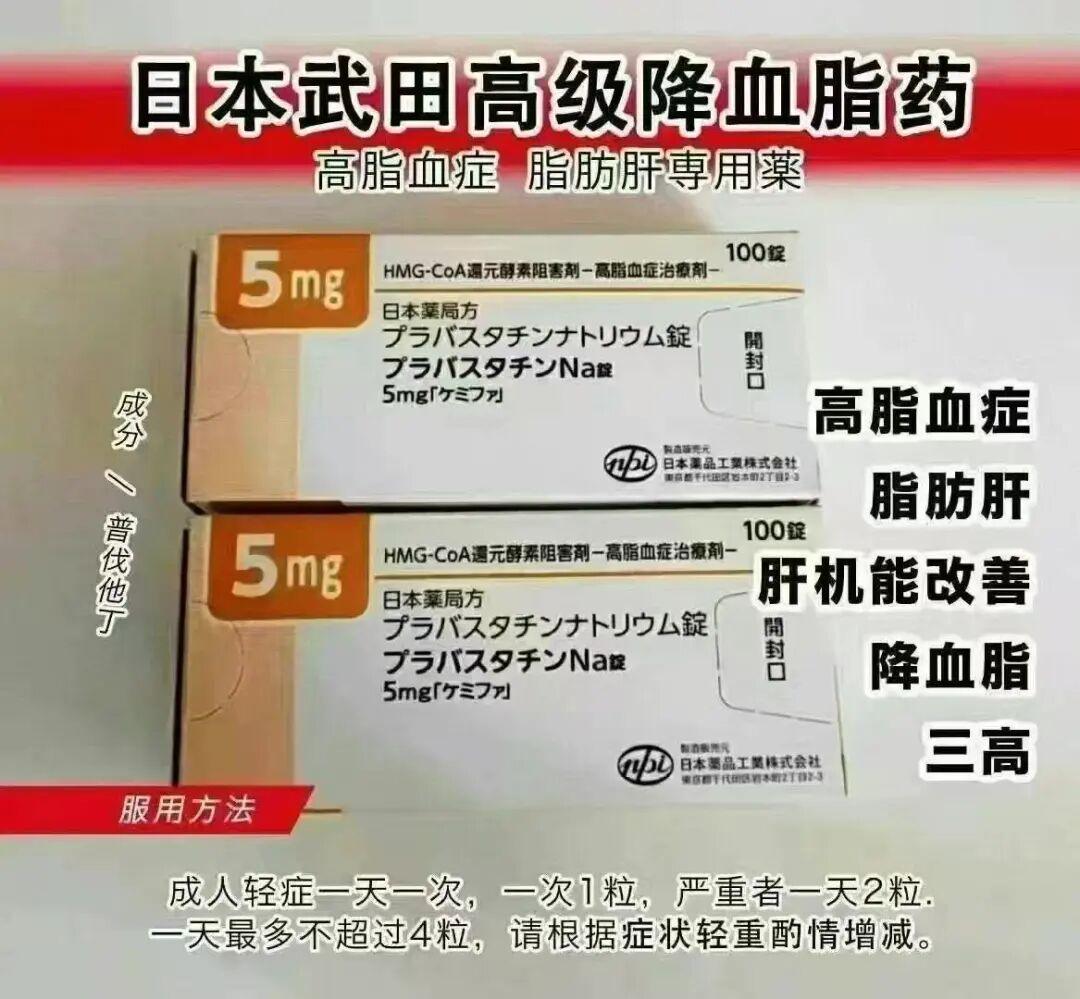
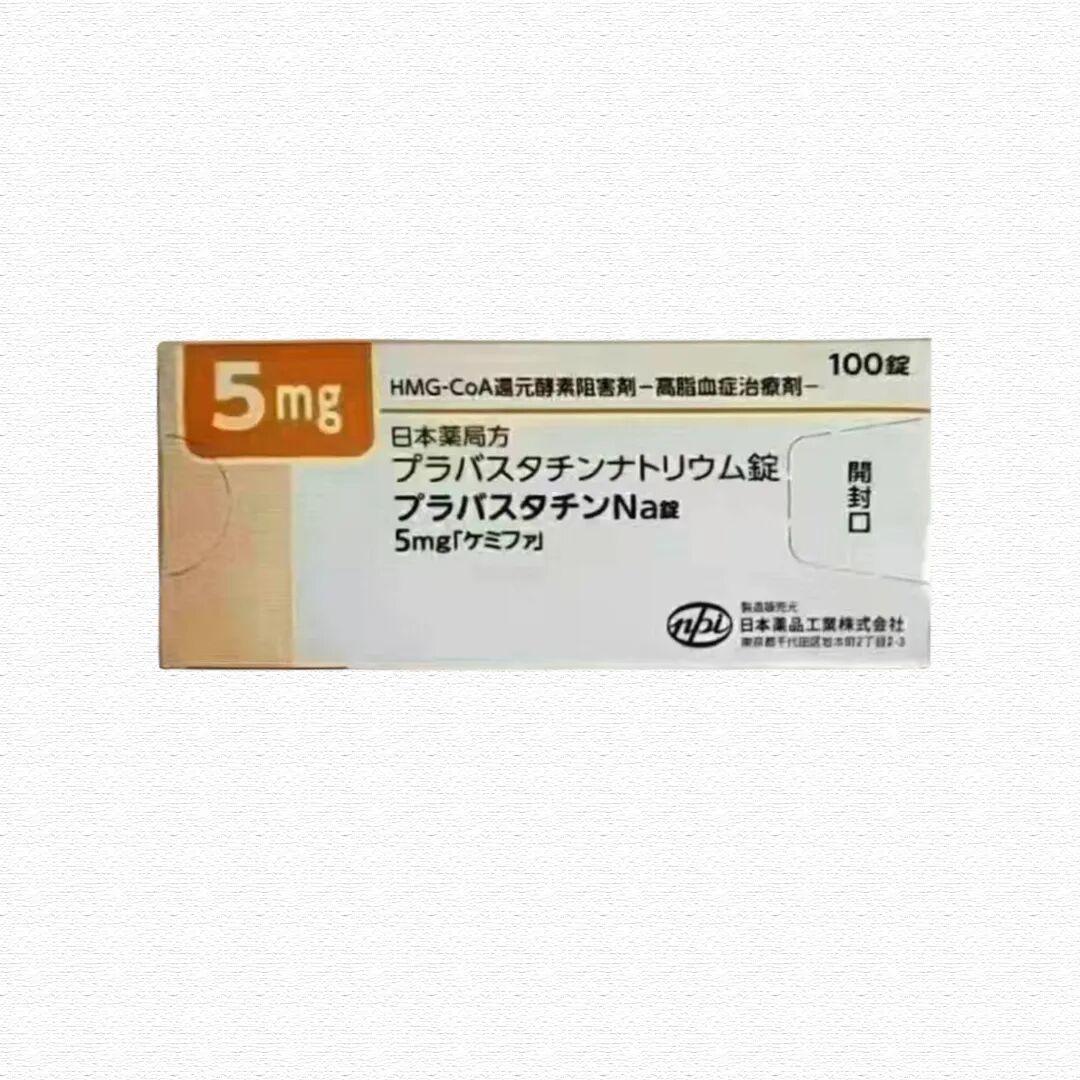
日本語原題:プラバスタチンNa錠5mg「ケミファ」

Published2025-06-23 19:18 Maker武田 FormTablet Content9 sections / 2 images
English translation of the Japanese package insert is the main text; the Japanese original is shown alongside for verification. Use the language menu (top right) to read the page in another language. This site is for reference only — consult a doctor or pharmacist before use.
Section 1 · 01
English translation
Feature Description Pravastatin sodium specifically and antagonistically inhibits HMG-CoA reductase, a rate-limiting enzyme in cholesterol biosynthesis, without affecting other biosynthetic stages. Its action is selective to the liver and small intestine, which are the main organs for cholesterol synthesis, rapidly and powerfully lowering serum cholesterol levels and improving serum lipids.
Section 2 · 02
English translation
Specifications 100 tablets [10 tablets (PTP)×10].
Section 3 · 03
English translation
Characteristics White plain tablets.
Section 4 · 04
English translation
Ingredient Information Active ingredient (per tablet) :(Japan Bureau) Pravastatin Sodium 5mg. Additives: sodium carmerose, crystalline cellulose, magnesium stearate, lactose hydrate.
Section 5 · 05
English translation
Indications 1. Hyperlipidemia 2. Familial hypercholesterolemia
Section 6 · 06
English translation
Dosage and Administration Typically, adults are given 10 mg orally as privastatin sodium divided into one or two doses. The dose may be adjusted appropriately depending on age and symptoms, but in severe cases, the dose can be increased up to 20 mg per day.
Section 7 · 07
English translation
Notes 1. Implement dietary therapy, which is fundamental to hyperlipidemia, in advance, and further consider exercise therapy and the reduction of risk factors for ischemic heart disease such as hypertension and smoking. 2. During administration, regularly monitor blood lipid levels, and discontinue administration if no response to treatment is observed.
Section 8 · 08
English translation
Side Effects 1. Rhabdomyolysis (frequency unknown) Rhabdomyolysis, characterized by muscle pain, weakness, increased CK, and elevated myoglobin in blood and urine, may be accompanied by severe renal impairment such as acute kidney injury. 2. Liver dysfunction (frequency unknown) Jaundice and liver dysfunction accompanied by significant elevation of AST and ALT may occur. 3. Thrombocytopenia (frequency unknown) Severe cases accompanied by purpura and subcutaneous hemorrhages have also been reported. 4. Interstitial pneumonia (frequency unknown) Even with long-term administration, if fever, cough, difficulty breathing, abnormal chest X-ray, etc. are observed, discontinue administration and take appropriate measures such as administering corticosteroids. 5. Myopathy (frequency unknown) 6. Immune-mediated necrotizing myopathy (frequency unknown) Immune-mediated necrotic myopathy characterized by proximal muscle weakness, high CK levels, necrosis of muscle fibers without inflammation, and anti-HMG-CoA reductase (HMGCR) antibody positivity has appeared, with cases of persistence even after discontinuation. There have been reports of improvement with immunosuppressant administration. 7. Peripheral neuropathy (frequency unknown) 8. Allergic reactions (frequency unknown) There have been reports of hypersensitivity symptoms such as lupus-like syndrome and vasculitis. 9. Myasthenia gravis (frequency unknown) Myasthenia gravis (ophthalmic and systemic types) may develop or worsen. 10. Other side effects (1) Skin; Rash, itching, hives, erythema, hair loss, photosensitivity, eczema. (2) Digestive system: stomach discomfort, diarrhea, abdominal pain, nausea/vomiting, constipation, stomatitis, indigestion, abdominal bloating, loss of appetite, glossitis. (3) Liver: increased AST, increased ALT, increased γ-GTP, increased LDH, increased ALP, abnormal liver function, increased bilirubin. (4) Kidneys: increased BUN, serum crea, and increased tinine. (5) Muscles: increased CK (CK), muscle weakness, muscle pain, muscle cramps. (6) Psychoneurological system: dizziness, headache, insomnia. (7) Blood: Thrombocytopenia, anemia, and leukopenia. (8) Others: elevated uric acid levels, occult blood in the urine, tinnitus, joint pain, taste disturbances, fatigue, edema, numbness, facial flushing.
Section 9 · 09
English translation
taboo 1. Patients with a history of hypersensitivity to any component of this drug 2. Pregnant women or women who may be pregnant or who may be pregnant or breastfeeding

Source images

2 images

Need help sourcing Japanese medicines or OEM production?

💬