Neuro & Psychiatric · NERVOUS
Pregabalin
日本語原題:プレガバリン OD 錠 150mg「アメル」
Published2025-07-03 07:16 FormTablet Content9 sections / 1 images
Ingredients / strength:
Each tablet contains 150mg of pregabalin.
English translation of the Japanese package insert is the main text; the Japanese original is shown alongside for verification. Use the language menu (top right) to read the page in another language. This site is for reference only — consult a doctor or pharmacist before use.
Section 1 · 01
English translation
Feature Description
Pregabalin is suggested to suppress the expression of calcium channels on the cell surface and calcium influx by binding to the α2δ subunit, which plays an auxiliary role in the function of voltage-dependent calcium channels in the central nervous system, thereby suppressing the release of neurotransmitters such as glutamate. Furthermore, the analgesic effect of pregabalin is also suggested to involve its effects on the noradrenaline and serotonin pathways of the descending pain regulation system.
日本語 Original
特征说明
プレガバリンは中枢神経系において電位依存性カルシウムチャネルの機能に対し補助的な役割をなすα2δサブユニットとの結合を介して、カルシウムチャネルの細胞表面での発現量及びカルシウム流入を抑制し、グルタミン酸等の神経伝達物質遊離を抑制することが示唆されている。更に、プレガバリンの鎮痛作用には下行性疼痛調節系のノルアドレナリン経路及びセロトニン経路に対する作用も関与していることが示唆されている。
Section 2 · 02
English translation
Specifications
100 tablets [10 tablets (PTP)×10, with desiccant].
日本語 Original
规格
100 錠[10 錠(PTP)×10、乾燥剤入り]。
Section 3 · 03
English translation
White, plain tablets (uncoated tablets).
日本語 Original
性状
白色,素錠。
Section 4 · 04
English translation
Ingredient Information
Active ingredient: Each tablet contains 150mg of pregabalin.
Additives: D-mannitol, crystalline cellulose, calcium silicate, crospovidone, sucralose, fragrance, magnesium stearate.
日本語 Original
成分说明
有効成分:1 錠中,プレガバリン150mg を含有する。
添加剤:D-マンニトール、結晶セルロース、ケイ酸カルシウム、クロスポビドン、スクラロース、香料、ステアリン酸マグネシウム。
Section 5 · 05
English translation
Indications
1. Neuropathic pain
2. Pain associated with fibromyalgia
日本語 Original
功能主治
1、神経障害性疼痛
2、線維筋痛症に伴う疼痛
Section 6 · 06
English translation
Dosage and Administration
〈Neuropathic Pain〉
Typically, adults receive an initial dose of 150 mg of pregabalin orally divided into two doses per day, then gradually increased to 300 mg over a week or more. Adjustments may be made according to age and symptoms, but the maximum daily dose should not exceed 600 mg, and both doses should be administered orally twice daily.
〈Pain associated with fibromyalgia〉
Typically, adults receive an initial oral dose of 150 mg of pregabalin divided into two doses per day, then gradually increase to 300 mg over a week or more, maintaining at 300~450 mg. Adjustments may be made according to age and symptoms, but the maximum daily dose should not exceed 450 mg, and both doses should be administered orally twice daily.
日本語 Original
用法用量
〈神経障害性疼痛〉
通常、成人には初期用量としてプレガバリン1日150mg を1日2回に分けて経口投与し、その後1週間以上かけて1日用量として 300mg まで漸増する。なお、年齢、症状により適宜増減するが、1日最高用量は 600mg を超えないこととし、いずれも1日2回に分けて経口投与する。
〈線維筋痛症に伴う疼痛〉
通常、成人には初期用量としてプレガバリン1日150mg を1日2回に分けて経口投与し、その後 1 週間以上かけて1日用量として 300mg まで漸増した後、300~450mg で維持する。なお、年齢、症状により適宜増減するが、1日最高用量は450mg を超えないこととし、いずれも1日2回に分けて経口投与する。
Section 7 · 07
English translation
Notes
1. There have been cases where dizziness, drowsiness, loss of consciousness, etc. have occurred after administration of this drug, leading to automobile accidents. Therefore, patients receiving this drug should be careful not to engage in operating machinery that may involve driving or other dangerous vehicles.
2. Sudden discontinuation of this drug may cause withdrawal symptoms such as insomnia, nausea, headache, diarrhea, anxiety, and hyperhidrosis; if discontinuation, gradually reduce the dose over at least one week.
3. Since weight gain may occur with administration of this drug, pay attention to obesity and take appropriate measures such as diet and exercise therapy if signs of obesity appear. In particular, since increased dosage or weight gain may occur with long-term administration, regular weight measurement is essential.
4. Administering this drug may cause eye disorders such as amblyopia, visual abnormalities, blurred vision, and diplopia. Therefore, be cautious during examination by conducting a medical interview about the eye disorder, and take appropriate measures if any abnormalities are detected.
日本語 Original
注意事项
1、本剤の投与によりめまい、傾眠、意識消失等があらわれ、自動車事故に至った例もあるので、本剤投与中の患者には、自動車の運転等危険を伴う機械の操作に従事させないよう注意すること。
2、本剤の急激な投与中止により、不眠、悪心、頭痛、下痢、不安及び多汗症等の離脱症状があらわれることがあるので、投与を中止する場合には、少なくとも 1 週間以上かけて徐々に減量すること。
3、本剤の投与により体重増加を来すことがあるので、肥満に注意し、肥満の徴候があらわれた場合は、食事療法、運動療法等の適切な処置を行うこと。特に、投与量の増加、あるいは長期投与に伴い体重増加が認められることがあるため、定期的に体重計測を実施すること。
4、本剤の投与により、弱視、視覚異常、霧視、複視等の眼障害が生じる可能性があるので、診察時に、眼障害について問診を行う等注意し、異常が認められた場合には適切な処置を行うこと。
Section 8 · 08
English translation
Side Effects
1. Dizziness (over 20%), drowsiness (over 20%), loss of consciousness (less than 0.3%)
There are reports of dizziness, drowsiness, and loss of consciousness, leading to falls and fractures.
2. Heart failure (less than 0.3%), pulmonary edema (frequency unknown)
For patients at risk of heart failure, closely monitor and discontinue administration if abnormalities are observed, and provide appropriate treatment.
3. Rhabdomyolysis (frequency unknown)
If muscle pain, weakness, increased CK, or increased myoglobin in blood and urine appear, discontinue administration and take appropriate measures. Also, be cautious of the onset of acute kidney damage caused by rhabdomyolysis.
4. Renal failure (less than 0.1%)
5. Angioedema (frequency unknown)
Hypersensitivity such as angioedema may appear.
6. Hypoglycemia (less than 0.3%)
If hypoglycemia symptoms such as weakness, fatigue, cold sweat, tremor, or impaired consciousness appear, discontinue administration and take appropriate measures.
7. Interstitial pneumonia (frequency unknown)
Carefully monitor clinical symptoms such as cough, difficulty breathing, and fever, and if abnormalities are detected, perform chest X-rays, chest CT scans, and other examinations. If interstitial pneumonia is suspected, discontinue administration and take appropriate measures such as administering corticosteroids.
8. Shock (frequency unknown), anaphylaxis (less than 0.1%)
9. Stevens-Johnson syndrome (frequency unknown), erythema multiforme (frequency unknown)
10. Fulminant hepatitis (frequency unknown), liver dysfunction (0.4%)
Liver dysfunction accompanied by fluminant hepatitis, AST, and elevated ALT may occur.
11. Blood and lymphatic disorders
Neutropenia, leukopenia, thrombocytopenia.
12. Metabolic and nutritional disorders
Loss of appetite, hyperappetite, hyperlipidemia, hyperglycemia.
13. Mental disorders
Insomnia, confusion, disorientation, euphoria, abnormal dreams, hallucinations, depression, restlessness, mood swings, depressed mood, apathy, anxiety, loss of libido, sleep disorders, abnormal thinking, depersonalization, aorgasm, agitation, difficulty evocation, hyperlibido, panic attacks, and deinhibition.
14. Nervous system disorders
Floating vertigo, headache, balance disorders, ataxia, tremor, attention disorders, sensory dullness, drowsiness, speech disorders, memory impairment, amnesia, sensory illusions, coordination disorders, sedation, cognitive impairment, myoclonus, loss of reflexes, dyskinesia, psychomotor hyperactivity, postural vertigo, hypersensitivity, sensory hypersensitivity, taste disturbances, burning sensation, fainting, mental dysfunction, speech disorders, coma, olfactory errors, dyslexia.
15. Eye Disorders
Foggy vision, double vision, decreased vision, visual impairment, retinal hemorrhage, visual field defects, eye swelling, eye pain, eye fatigue, increased tearing, photopica
Symptoms, strabismus, dry eyes, nystagmus, eye irritation, pupil dilation, agitated vision, changes in depth sensory perception, visual brightness, keratitis.
16. Ear and maze disorders
Rotational symptoms include dizziness, tinnitus, and auditory hypersensitivity.
17. Heart Disorders
Palpitations, first-degree atrioventricular block, tachycardia, sinus arrhythmia, sinus bradycardia, ventricular premature contractions, sinus tachycardia.
18. Vascular disorders
High blood pressure, low blood pressure, hot flashes.
19. Respiratory, thoracic, and mediastinal disorders
Difficulty breathing, nasopharyngitis, coughing, snoring, nosebleeds, rhinitis, nasal dryness, nasal congestion, and throat tightness.
20. Gastrointestinal disorders
Constipation, nausea, diarrhea, abdominal pain, vomiting, abdominal bloating, indigestion, bloating, gastritis, stomach discomfort, stomatitis, excessive salivation, gastroesophageal reflux disease, pancreatitis, tongue swelling, ascites, and swallowing difficulties.
21. Skin and subcutaneous tissue disorders
Rash, pruritus, eczema, edema around the eyes, hyperhidrosis, cold sweats, urticaria, hair loss, papules.
22. Musculoskeletal and connective tissue disorders
Muscle weakness, muscle spasms, joint swelling, limb pain, back pain, muscle pain, heaviness, joint pain, musculoskeletal rigidity.
23. Kidney and urinary tract disorders
Urinary incontinence, difficulty urinating, urinary retention, and oliguria.
24. Reproductive system and breast disorders
Breast pain, erectile dysfunction, gynecomastia, delayed ejaculation, sexual dysfunction, amenorrhea, breast discharge, dysmenorrhea, breast enlargement.
25. Systemic Disorders and Administration Localization
Edema, dry mouth, fatigue, abnormal sensations, walking difficulties, facial edema, weakness, pain, indentation edema, fatigue, chest pain, fever, coldness, chills, irritability, intoxication, chest tightness.
26. Injury, poisoning, and procedural complications
Falls and Falls
27. Clinical Testing
Weight gain, increased blood CK, increased ALT, increased AST, increased blood amylase, increased blood creatinine, weight loss, increased blood uric acid, decreased blood potassium.
日本語 Original
副作用
1、めまい(20%以上)、傾眠(20%以上)、意識消失(0.3%未満)
めまい、傾眠、意識消失があらわれ、転倒し骨折等に至ったとの報告がある。
2、心不全(0.3%未満)、肺水腫(頻度不明)
心不全のリスクがある患者では、観察を十分に行い、異常が認められた場合には投与を中止し、適切な処置を行うこと。
3、横紋筋融解症(頻度不明)
筋肉痛、脱力感、CK 上昇、血中及び尿中ミオグロビン上昇等があらわれた場合には、投与を中止し、適切な処置を行うこと。また、横紋筋融解症による急性腎障害の発症に注意すること。
4、腎不全(0.1%未満)
5、血管浮腫(頻度不明)
血管浮腫等の過敏症があらわれることがある。
6、低血糖(0.3%未満)
脱力感、倦怠感、冷汗、振戦、意識障害等の低血糖症状があらわれた場合には投与を中止し、適切な処置を行うこと。
7、間質性肺炎(頻度不明)
咳嗽、呼吸困難、発熱等の臨床症状を十分に観察し、異常が認められた場合には胸部 X 線、胸部 CT 等の検査を実施すること。間質性肺炎が疑われた場合には投与を中止し、副腎皮質ホルモン剤の投与等の適切な処置を行うこと。
8、ショック(頻度不明)、アナフィラキシー(0.1%未満)
9、皮膚粘膜眼症候群(Stevens-Johnson 症候群)(頻度不明)、多形紅斑(頻度不明)
10、劇症肝炎(頻度不明)、肝機能障害(0.4%)
劇症肝炎、AST、ALT 上昇等を伴う肝機能障害があらわれることがある。
11、血液及びリンパ系障害
好中球減少症、白血球減少症,血小板減少症。
12、代謝及び栄養障害
食欲不振、食欲亢進、高脂血症,高血糖。
13、精神障害
不眠症,錯乱、失見当識、多幸気分、異常な夢、幻覚,うつ病、落ち着きのなさ、気分動揺、抑うつ気分、無感情、不安、リビドー消失、睡眠障害 、 思考異常,離人症、無オルガズム症、激越、喚語困難、リビドー亢進、パニック発作、脱抑制。
14、神経系障害
浮動性めまい、頭痛、平衡障害、運動失調,振戦、注意力障害、感覚鈍麻、嗜眠、構語障害、記憶障害、健忘、錯感覚、協調運動異常,鎮静、認知障害、ミオクローヌス、反射消失、ジスキネジー、精神運動亢進、体位性めまい、知覚過敏、味覚異常、灼熱感、失神、精神的機能障害、会話障害,昏迷、嗅覚錯誤、書字障害。
15、眼障害
霧視、複視、視力低下,視覚障害、網膜出血,視野欠損、眼部腫脹、眼痛、眼精疲労、流涙増加、光視
症、斜視、眼乾燥 、眼振,眼刺激、散瞳、動揺視、深径覚の変化、視覚の明るさ、角膜炎。
16、耳及び迷路障害
回転性 めまい,耳鳴,聴覚過敏。
17、心臓障害
動悸,第一度房室ブロック、頻脈、洞性不整脈、洞性徐脈、心室性期外収縮,洞性頻脈。
18、血管障害
高血圧、低血圧 、 ほてり。
19、呼吸器、胸郭及び縦隔障害
呼吸困難,鼻咽頭炎、咳嗽、いびき、鼻出血、鼻炎,鼻乾燥、鼻閉、咽喉絞扼感。
20、胃腸障害
便秘、悪心、下痢、腹痛、嘔吐,腹部膨満、消化不良、鼓腸、胃炎、胃不快感、口内炎,流涎過多、胃食道逆流性疾患、膵炎、舌腫脹,腹水、嚥下障害。
21、皮膚及び皮下組織障害
発疹,そう痒症、湿疹、眼窩周囲浮腫,多汗症、冷汗、蕁麻疹、脱毛,丘疹。
22、筋骨格系及び結合組織障害
筋力低下、筋痙縮、関節腫脹、四肢痛、背部痛,筋肉痛、重感、関節痛、筋骨格硬直。
23、腎及び尿路障害
尿失禁、排尿困難,尿閉,乏尿。
24、生殖系及び乳房障害
乳房痛、勃起不全、女性化乳房,射精遅延、性機能不全、無月経、乳房分泌、月経困難症、乳房肥大。
25、全身障害及び投与局所様態
浮腫、口渇、疲労、異常感、歩行障害 、 顔面浮腫,無力症、疼痛、圧痕浮腫、倦怠感、胸痛,発熱、冷感、悪寒、易刺激性、酩酊感,胸部絞扼感。
26、傷害、中毒及び処置合併症
転倒・転落
27、臨床検査
体重増加,血中 CK 増加、ALT 増加、AST増加、血中アミラーゼ増加、血中クレアチニン増加,体重減少、血中尿酸増加,血中カリウム減少。
Section 9 · 09
English translation
taboo
Patients with a history of hypersensitivity to any component of this drug.
日本語 Original
禁忌
本剤の成分に対し過敏症の既往歴のある患者。
Source images
1 imagesThe artwork keeps its original Japanese/Chinese lettering. Open “Text in this image” under a picture to read what it says in your language (machine-read, may contain errors).
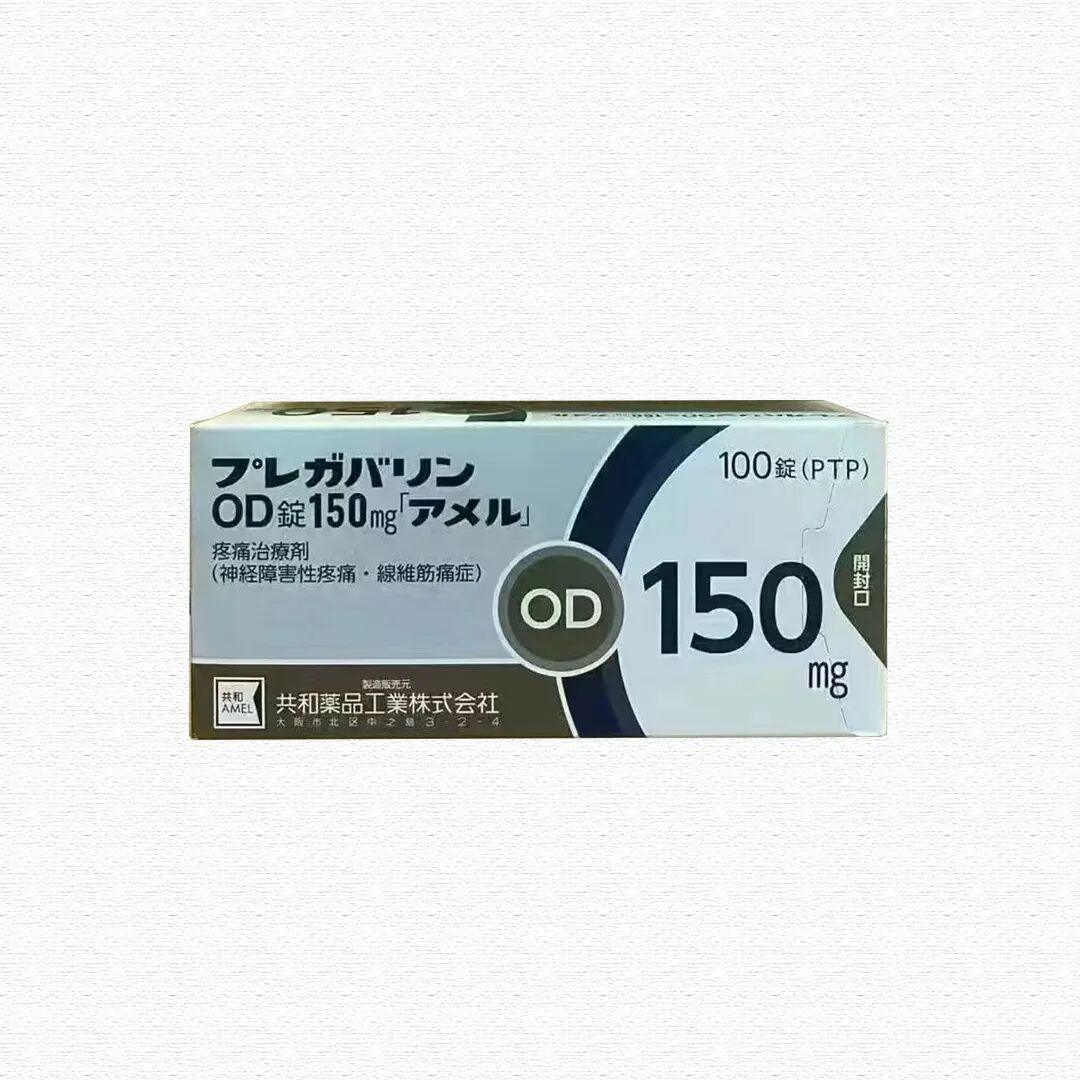
Text in this image machine-read · may contain errors
100 ingots (PTP) OD tablets 150mg × children (Neuropathy Pain · Adenow Myalgia) Kyowa Pharmaceutical Industry Co., Ltd AMEL No. 2, Room 32, North District, Daban City
100锭(PTP) OD锭150mg×儿 (神经障害性疼痛·腺维筋痛症) 共和藥品工業株式会社 AMEL 大版市北区中2号32
100 ingots (PTP) OD tablets 150mg × children (Neuropathy Pain · Adenow Myalgia) Kyowa Pharmaceutical Industry Co., Ltd AMEL No. 2, Room 32, North District, Daban City…