Cardiovascular · CARDIOVASCULAR

Ezetimibe

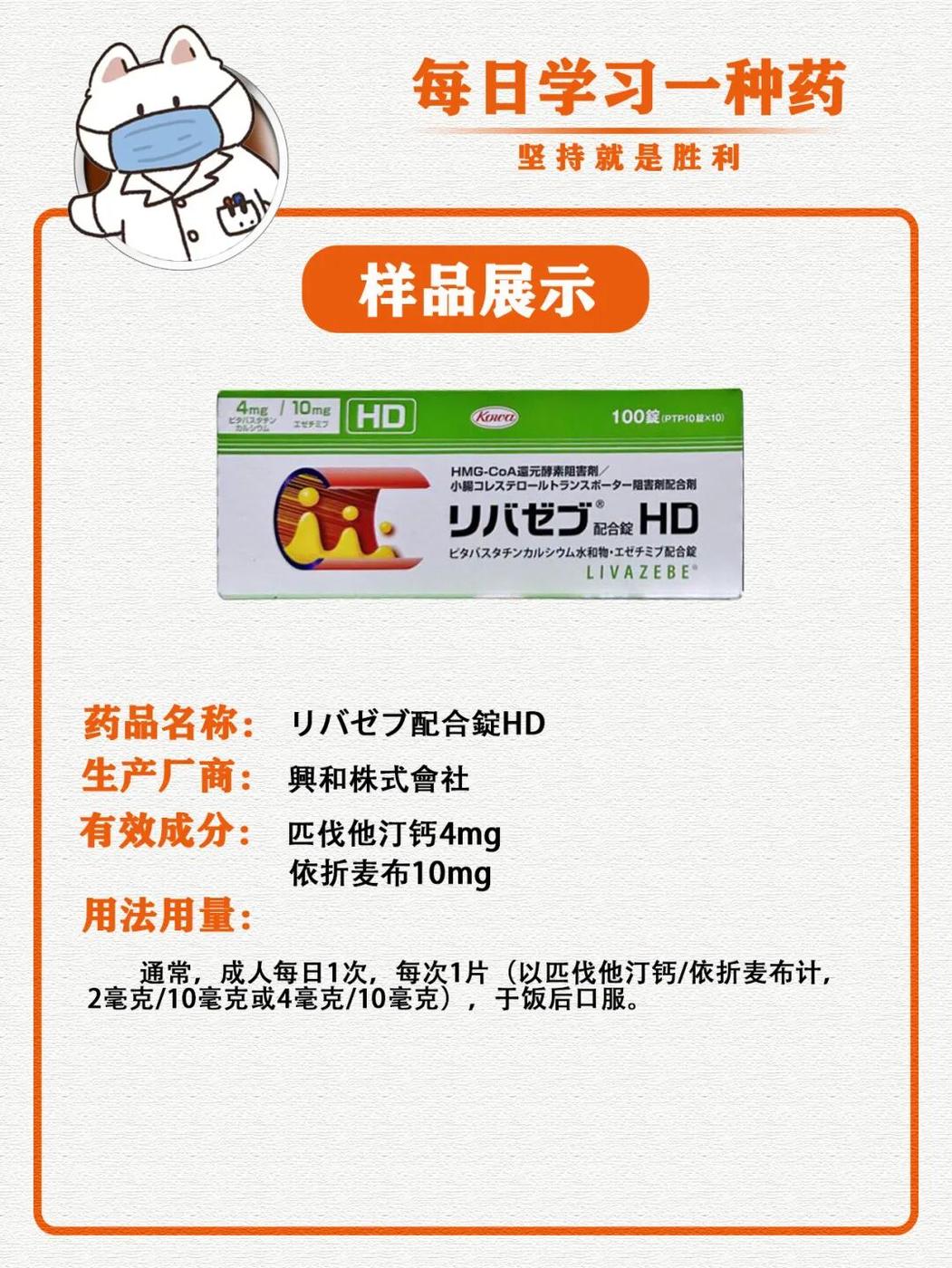
日本語原題:リバゼブ配合錠HD

Published2025-07-31 08:03 FormTablet Content9 sections / 3 images
Ingredients / strength:
Each tablet contains 4.0mg of pitavastatin calcium / 10.0mg as ezetimibe.
English translation of the Japanese package insert is the main text; the Japanese original is shown alongside for verification. Use the language menu (top right) to read the page in another language. This site is for reference only — consult a doctor or pharmacist before use.
Section 1 · 01
English translation
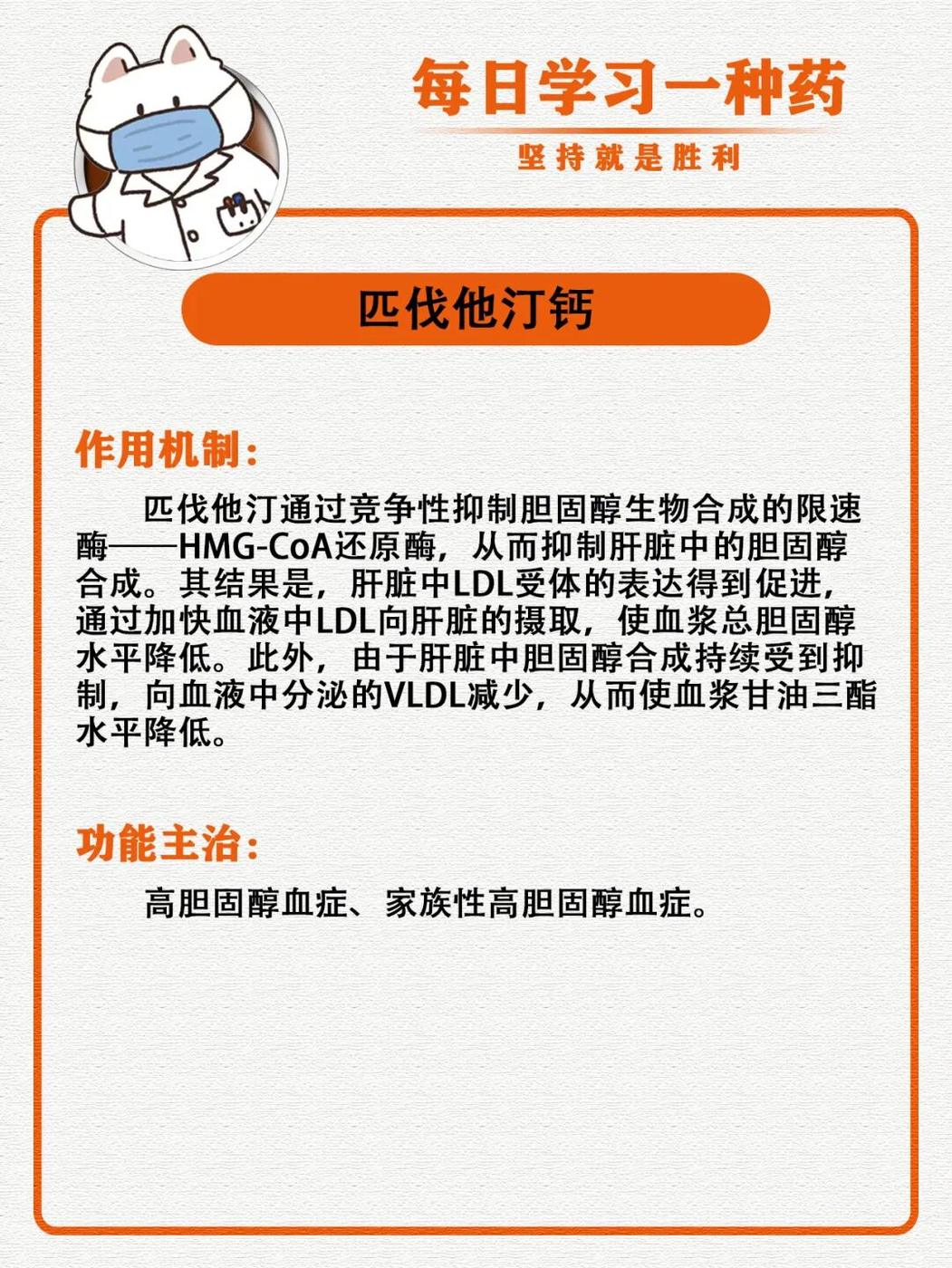
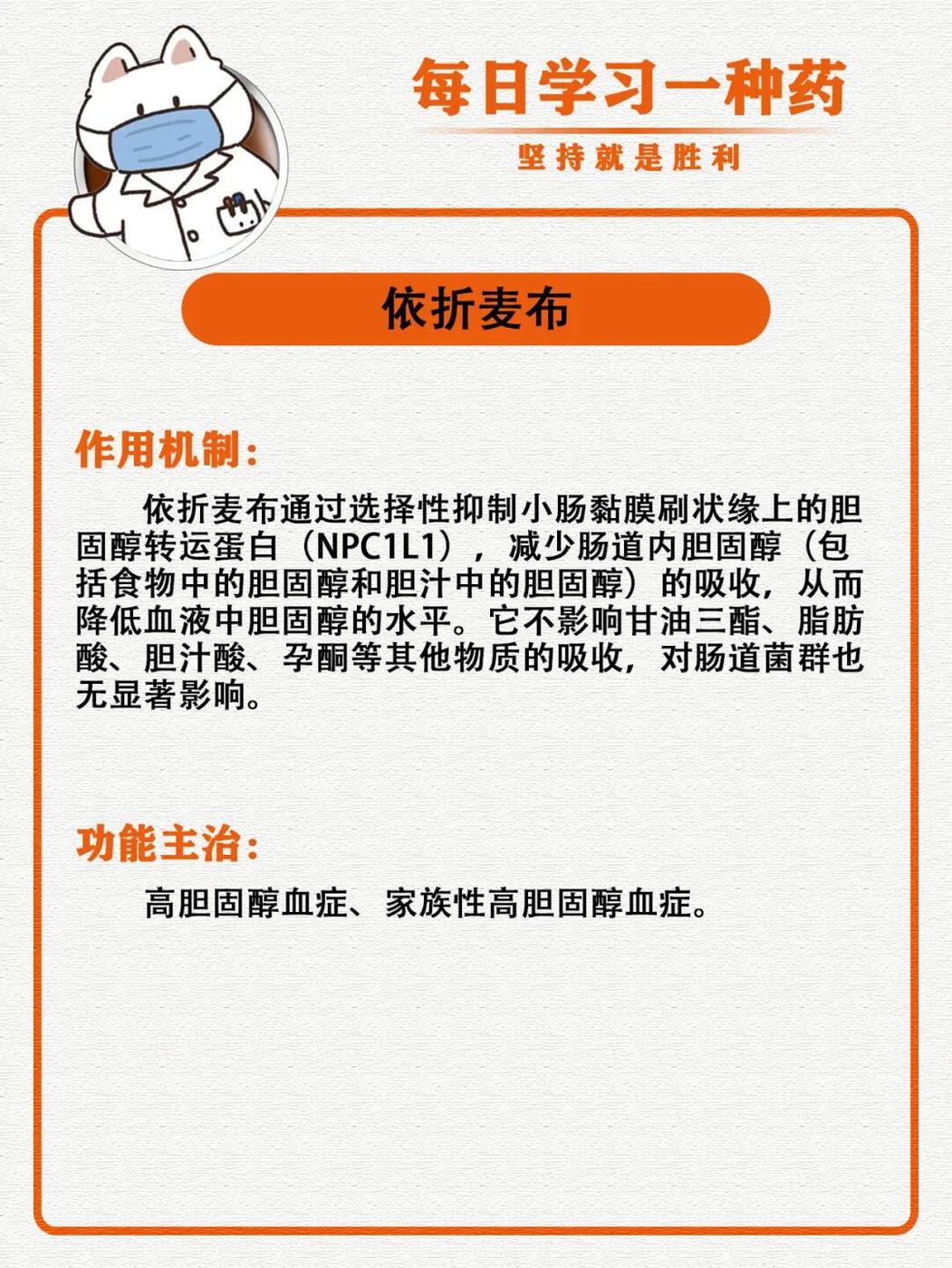
Feature Description 1. Pitavastatin Pitavastatin inhibits cholesterol synthesis in the liver by antagonistically inhibiting HMG-CoA reductase, a rate-regulating enzyme responsible for cholesterol biosynthesis. As a result, the expression of LDL receptors in the liver is promoted, and the uptake of LDL from the blood to the liver decreases, leading to a decrease in total plasma cholesterol. Additionally, persistent inhibition of cholesterol synthesis in the liver reduces VLDL secretion into the blood, lowering plasma triglycerides. (1) Promotion of LDL Receptor Expression Pitavastatin promoted the expression of LDL receptor mRNA in human liver cancer-derived cells (HepG2 cells), increasing LDL binding amount, uptake rate, and apoB degradation (in vitro). Additionally, oral administration promoted dose-dependent LDL receptor expression (guinea pigs). (2) Effects of VLDL Secretion Reduction Oral administration of pitavastatin significantly reduced VLDL-triglyceride secretion (guinea pigs). 2. Ezetimibe Ezetimibe inhibits the absorption of dietary and bile cholesterol. Ezetimib acts on the small intestine, and animal studies using hamsters and other animals selectively inhibit cholesterol absorption in the small intestine, resulting in a reduction in liver cholesterol levels and blood cholesterol. Ezetimibe inhibits the absorption of cholesterol and plant sterols through a protein (Niemann-Pick C1 Like 1) present in small intestinal wall cells. From this, the mechanism of action of ezetimibe differs from other hyperlipidemia treatments (HMG-CoA reductase inhibitors, anion exchange resins, fibrate agents, plant sterols). In an overseas clinical pharmacological trial involving 18 patients with hypercholesterolemia, ezetimibe inhibited small intestine cholesterol absorption by 54% after two weeks of administration compared to the placebo group. Ezetimib reduces liver cholesterol levels by inhibiting cholesterol absorption in the small intestine, but it compensates for increased cholesterol biosynthesis in the liver. Studies using dogs and overseas studies targeting hypercholesterolemia patients have shown that co-administration with HMG-CoA reductase inhibitors, which suppress cholesterol biosynthesis, can reduce blood cholesterol in a complementary manner. In rats and others, ezetimibe selectively inhibits cholesterol absorption but does not affect the absorption of fatty acids, bile acids, progesterone, ethinylestradiol, or fat-soluble vitamins A and D.
Section 2 · 02
English translation
Specifications PTP: 100 tablets (10 tablets × 10).
Section 3 · 03
English translation
Characteristics It is a pale yellow, round film-coated lock.
Section 4 · 04
English translation
Ingredient Information Active ingredient: Per tablet, Pitavastatin calcium 4.0mg / Ezetimibe 10.0mg. Additives: lactose hydrate, crospovidone, hypromellose, magnesium aluminosilicate, crystalline cellulose, povidone, sodium croscarmellose, sodium lauryl sulfate, magnesium stearate, titanium dioxide, triethyl citrate, light anhydrous silica, carnauba barrow, yellow ferric oxide.
Section 5 · 05
English translation
Indications Hypercholesterolemia, familial hypercholesterolemia.
Section 6 · 06
English translation
Dosage and Administration Typically, adults are given one tablet once daily orally (2mg/10mg or 4mg/10mg as Pitavastatin Calcium/Ezetimibe) after meals.
Section 7 · 07
English translation
Notes 1. This drug is a combination of 2 mg or 4 mg of pitavastatin calcium and 10 mg of ezetimibe, and since side effects may occur from both pitavastatin and ezetimibe, appropriate use should be considered. 2. Dietary therapy, which is fundamental for treating hypercholesterolemia, should be implemented in advance, and further consideration should be given to exercise therapy and the reduction of risk factors for ischemic heart disease such as hypertension and smoking. 3. Perform liver function tests when switching from pitavastatin monotherapy to this drug. Also, liver function tests should be performed at least once between the start of pitavastatin and 12 weeks later, and then regularly (such as once every six months). 4. During administration, regularly monitor blood lipid levels, and discontinue administration if no response to treatment is observed. 5. If hyperlipidemia is present due to secondary factors such as hypothyroidism, obstructive biliary tract disease, chronic renal failure, pancreatitis, or taking medications that negatively affect serum lipids, consider treatment with this drug after treating the underlying disease or switching drugs as much as possible. 6. Regarding the combination of ezetimibe and fibrate-based drugs, experience with their use is limited. When used together, be cautious of possible side effects such as gallstones. Fibrate drugs increase cholesterol excretion into bile, which can lead to gallstone formation. In ezetimibe, elevated cholesterol levels in gallbladder bile have been reported in dogs.
Section 8 · 08
English translation
Side Effects 1. Allergies (frequency unknown) There have been reports of hypersensitivity symptoms including anaphylaxis, angioneurotic edema, and rash in ezetimibe. 2. Rhabdomyolysis (frequency unknown) Rhabdomyolysis, characterized by muscle pain, weakness, increased CK, and increased myoglobin in blood and urine, may occur, and severe kidney damage such as acute kidney injury may occur; if such symptoms appear, discontinue administration. 3. Myopathy (frequency unknown) Discontinue administration if extensive muscle pain, tenderness, or marked increase in CK occur. 4. Immune-mediated necrotizing myopathy (frequency unknown) HMG-CoA reductase inhibitors may cause immune-mediated necrotic myopathy characterized by proximal muscle weakness, elevated CK, necrosis of muscle fibers without inflammation, and anti-HMG-CoA reductase (HMGCR) antibody positivity. Additionally, cases of persistence have been reported even after discontinuation, so it is important to closely monitor the patient's condition. There have been reports of improvement after immunosuppressant administration. 5. Liver dysfunction and jaundice (both frequency unknown) Liver dysfunction accompanied by significant increases in AST and ALT and jaundice may occur, so regular liver function tests and observation are essential. 6. Thrombocytopenia (frequency unknown) Conduct thorough observations such as blood tests. 7. Interstitial pneumonia (frequency unknown) Even with long-term administration, if fever, cough, difficulty breathing, abnormal chest X-ray, etc. are observed, discontinue administration and take appropriate measures such as administering corticosteroids.
Section 9 · 09
English translation
taboo 1. Patients with a history of hypersensitivity to any component of this drug. 2. Patients with severe liver dysfunction or biliary obstruction. 3. Patients receiving cyclosporine. 4. Pregnant women, women who may be pregnant, and breastfeeding women.

Source images

3 images

Need help sourcing Japanese medicines or OEM production?

💬