Cardiovascular · CARDIOVASCULAR

Olmesartan Ester + Azelnidipine

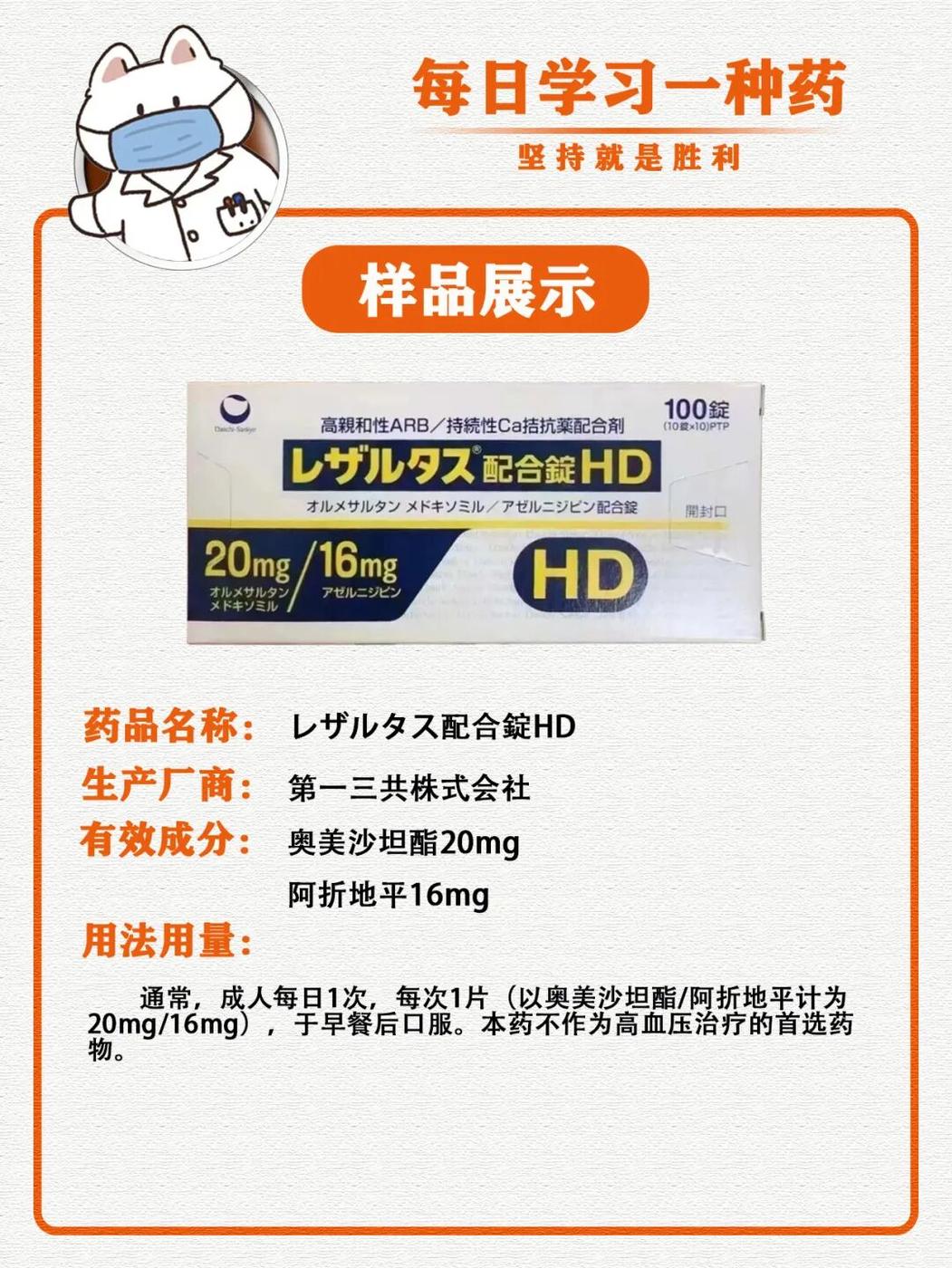
日本語原題:レザルタス配合錠HD

Published2025-08-11 08:12 FormTablet Content9 sections / 3 images
Ingredients / strength:
Each tablet contains 20mg of Ormesartan Medoxomil (Japanese distributor) and 16mg of azernidipine (Japanese import).
English translation of the Japanese package insert is the main text; the Japanese original is shown alongside for verification. Use the language menu (top right) to read the page in another language. This site is for reference only — consult a doctor or pharmacist before use.
Section 1 · 01
English translation
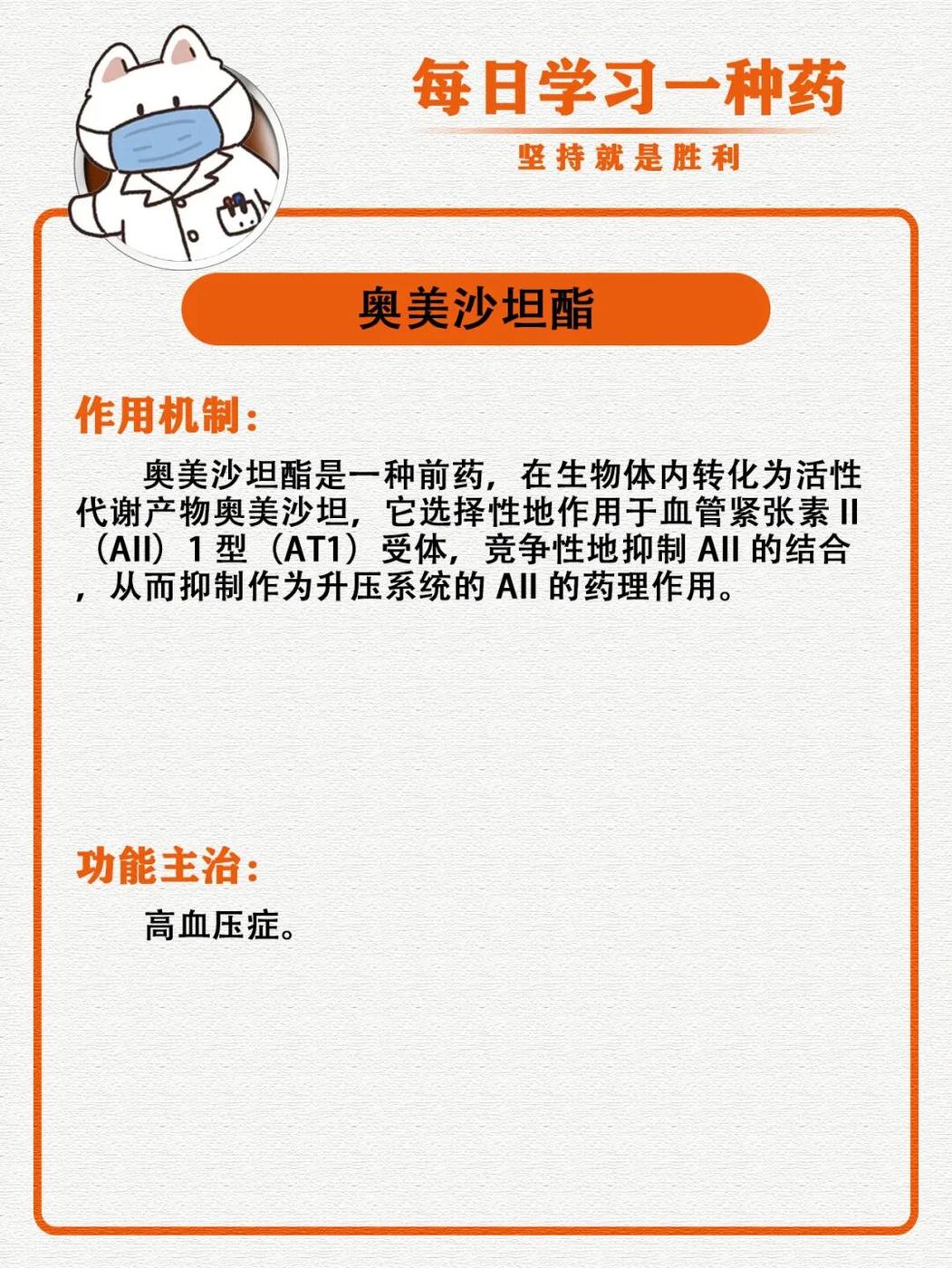
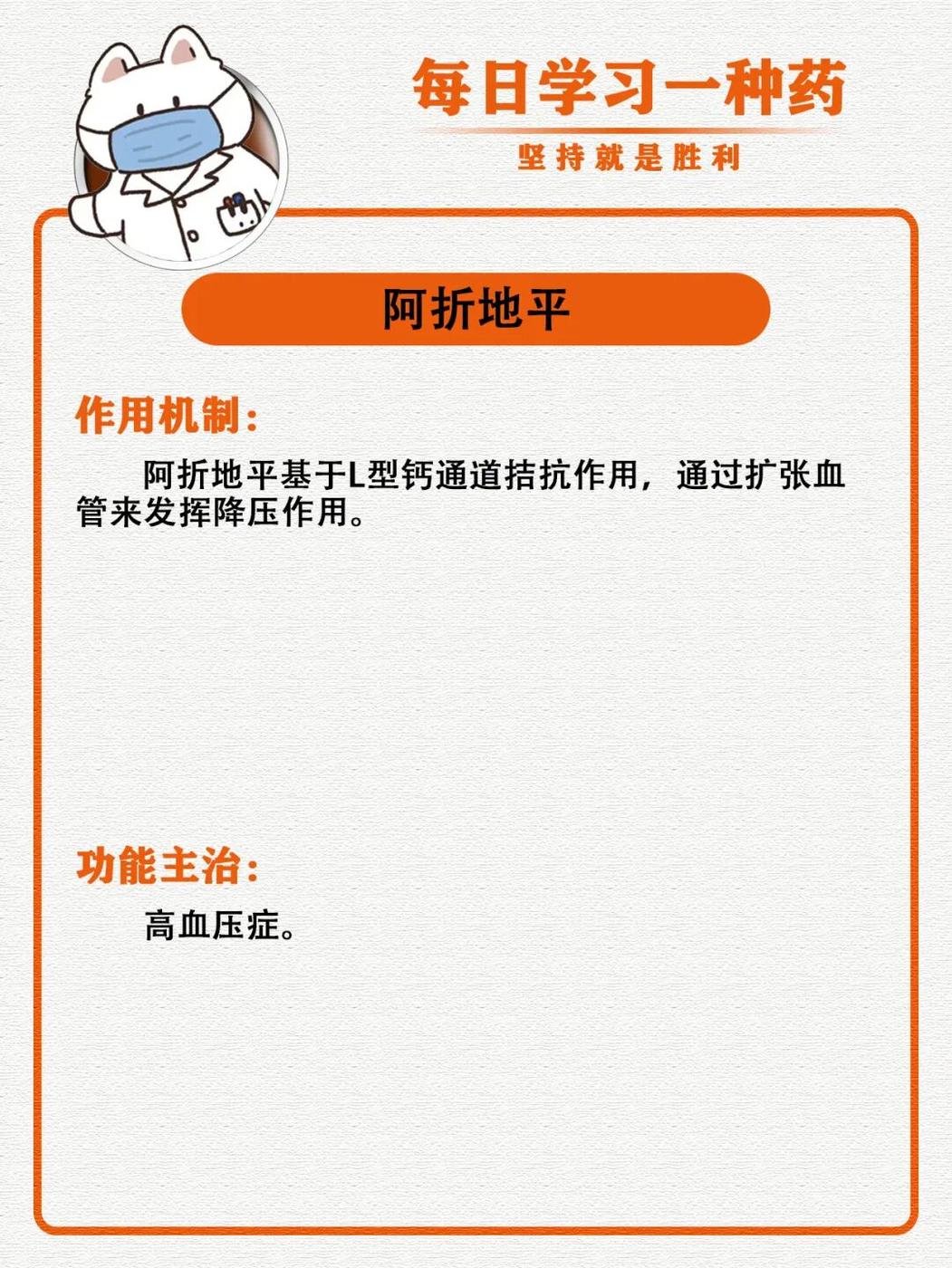
Feature Description Olmesartan Medoxomil is a prodrug that is converted into the active metabolite olmesartan in the body, selectively acting on angiotensin II (AII) type 1 (AT1) receptors, competitively inhibiting AII binding and suppressing the pharmacological effects of the vasopressor AII. Azenidipine exerts a blood pressure-lowering effect by dilating blood vessels based on L-type Ca channel antagonism.
Section 2 · 02
English translation
Specifications (PTP: with desiccant and oxygen absorber) 100 tablets (10 tablets × 10).
Section 3 · 03
English translation
Characteristics Oval film-coated locks.
Section 4 · 04
English translation
Ingredient Information Active ingredients: Olmesartan Medoxomil (Japanese formula) 20mg per tablet, Azenidipine (Japanese formula) 16mg. Additives: D-mannitol, Polysorbate 80, Magnesium Aluminosilicate, Light Anhydrous Silicate, Low-Substitution Hydroxypropyl Cellulose, Carmellose Calcium, Sodium Bicarbonate, Hydroxypropyl Cellulose, Talc, Magnesium Stearate, Lactose Hydrate, Crystalline Cellulose, Polyvinyl Alcohol (Partial Hydroxide), Titanium Oxide, Macro Goal 4000.
Section 5 · 05
English translation
Functions and indications Hypertension.
Section 6 · 06
English translation
Dosage and Administration Typically, adults are given one tablet orally once daily (10mg/8mg or 20mg/16mg as Ormesartan Medoxomil/Azernidipine) after breakfast. This drug is not used as the first-line drug for hypertension treatment.
Section 7 · 07
English translation
Notes This drug is a combination of olmesartan medoxomil and azernidine, and since side effects may occur from both drugs, appropriate use of this drug should be considered. There have been reports of severe liver dysfunction during administration of angiotensin II receptor antagonists, so thorough observation such as liver function tests is essential. It is desirable not to administer the drug for 24 hours before surgery. Patients receiving angiotensin II receptor antagonists may experience severe hypotension due to the inhibitory effect of the renin-angiotensin system during anesthesia and surgery. Dizziness and unsteadiness caused by blood pressure-lowering may occur, so caution should be taken when operating dangerous machinery such as working at heights or driving a car. There have been reports of symptoms worsening when calcium channel blockers were suddenly discontinued; if discontinuation of this drug is necessary, gradually reduce the dose. Also, patients should be careful not to stop taking medication without a doctor's guidance.
Section 8 · 08
English translation
Side Effects 1. Angioedema (frequency unknown) Symptoms may include swelling of the face, lips, pharynx, or tongue. 2. Renal failure (frequency unknown) 3. Hyperkalemia (frequency unknown) 4. Shock (frequency unknown), fainting (frequency unknown), loss of consciousness (frequency Unknown) If symptoms such as coldness, vomiting, or loss of consciousness appear, take appropriate treatment immediately. 5. Liver dysfunction (frequency unknown), jaundice (frequency unknown) Liver dysfunction accompanied by elevated AST, ALT, and γ-GTP may occur. 6. Thrombocytopenia (frequency unknown) 7. Hypoglycemia (frequency unknown) If weakness, hunger, cold sweats, hand tremors, decreased concentration, convulsions, or impaired consciousness appear, discontinue administration and provide appropriate treatment. It is more likely to appear in patients undergoing diabetes treatment. 8. Atrioventricular block (frequency unknown), sinus arrest (frequency unknown), bradycardia (frequency unknown) Symptoms such as dizziness and unsteadiness may occur. 9. Rhabdomyolysis (frequency unknown) Rhabdomyolysis, characterized by muscle pain, weakness, increased CK (high respiratory cancer score), and elevated myoglobin in blood and urine, may occur; in such cases, administration should be discontinued immediately and appropriate treatment taken. 10. Anaphylaxis (frequency unknown) Symptoms such as itching, generalized redness, low blood pressure, and difficulty breathing may appear, and there have been reports of anaphylactic shock. 11. Severe diarrhea (frequency unknown) Long-term administration may cause severe diarrhea accompanied by weight loss. There have been reports of intestinal villi atrophy and other findings observed by biopsy. 12. Interstitial pneumonia (frequency unknown) Interstitial pneumonia accompanied by fever, cough, difficulty breathing, abnormal chest X-ray, and other symptoms may occur; in such cases, discontinue administration and take appropriate measures such as adrenal corticosteroids.
Section 9 · 09
English translation
taboo 1. Patients with a history of hypersensitivity to any component of this drug. 2. Pregnant women or women who may be pregnant. 3. Itraconazole, miconazole (oral, injectable), fluconazole, fosfluconazole, voriconazole, posaconazole, HIV protease inhibitors (ritonavir-containing preparations, atazanavir sulfate, fosamprenavir calcium hydrate, drunavir-containing preparations), covicistat-containing preparations, antiviral agents (nirmatrelvir, ritonavir), ensitrelvir Patients receiving fumaric acid. 4. Diabetic patients receiving aliskilene fumarate (except for patients whose blood pressure control remains severely poor despite other antihypertensive treatments).

Source images

3 images

Need help sourcing Japanese medicines or OEM production?

💬