Neuro & Psychiatric · NERVOUS

Levetiracetam

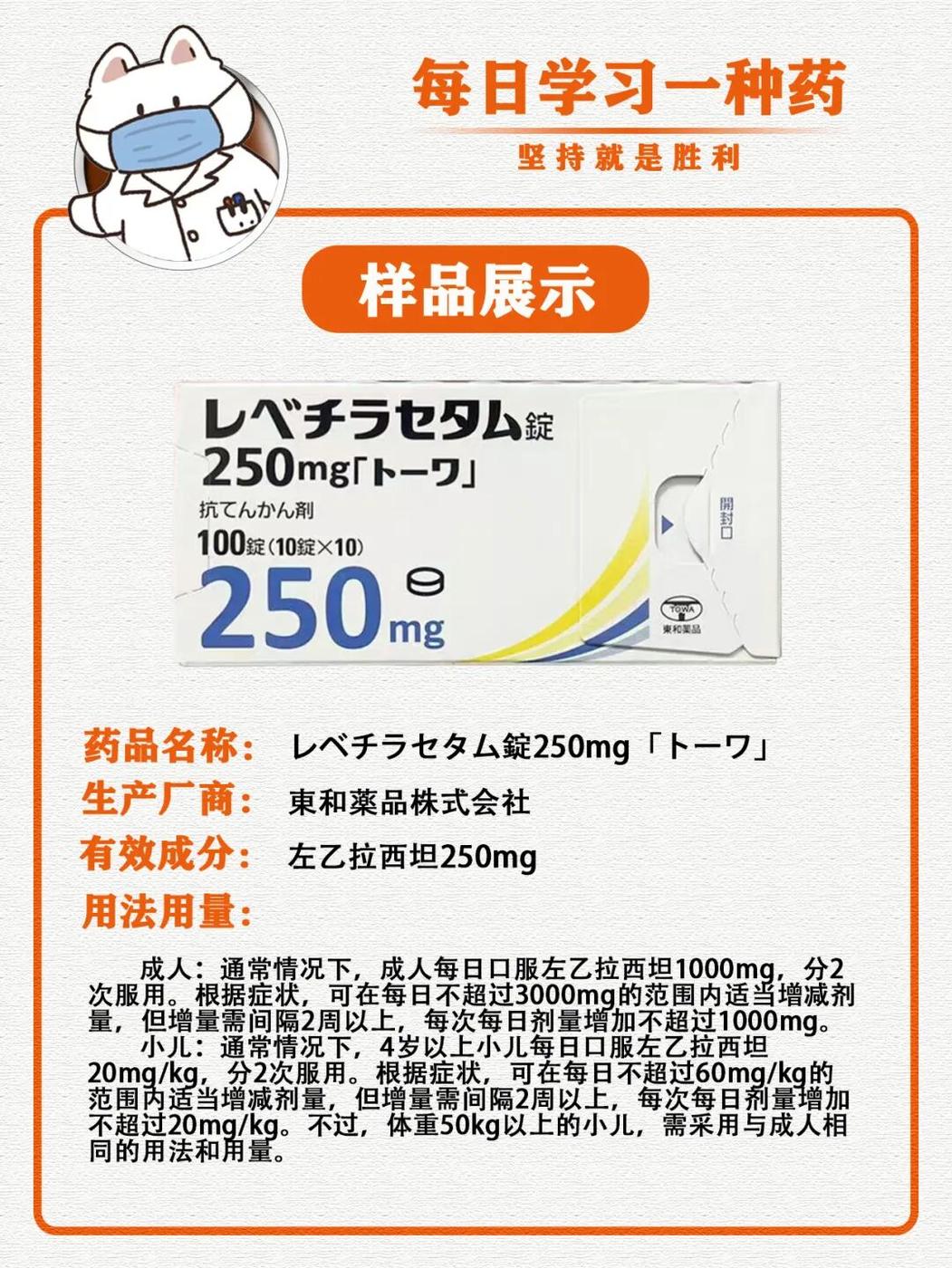
日本語原題:レベチラセタム錠250mg「トーワ」

Published2026-01-09 09:42 Makerトーワ FormTablet Content9 sections / 2 images
Ingredients / strength:
Levetiracetam 250mg.
English translation of the Japanese package insert is the main text; the Japanese original is shown alongside for verification. Use the language menu (top right) to read the page in another language. This site is for reference only — consult a doctor or pharmacist before use.
Section 1 · 01
English translation
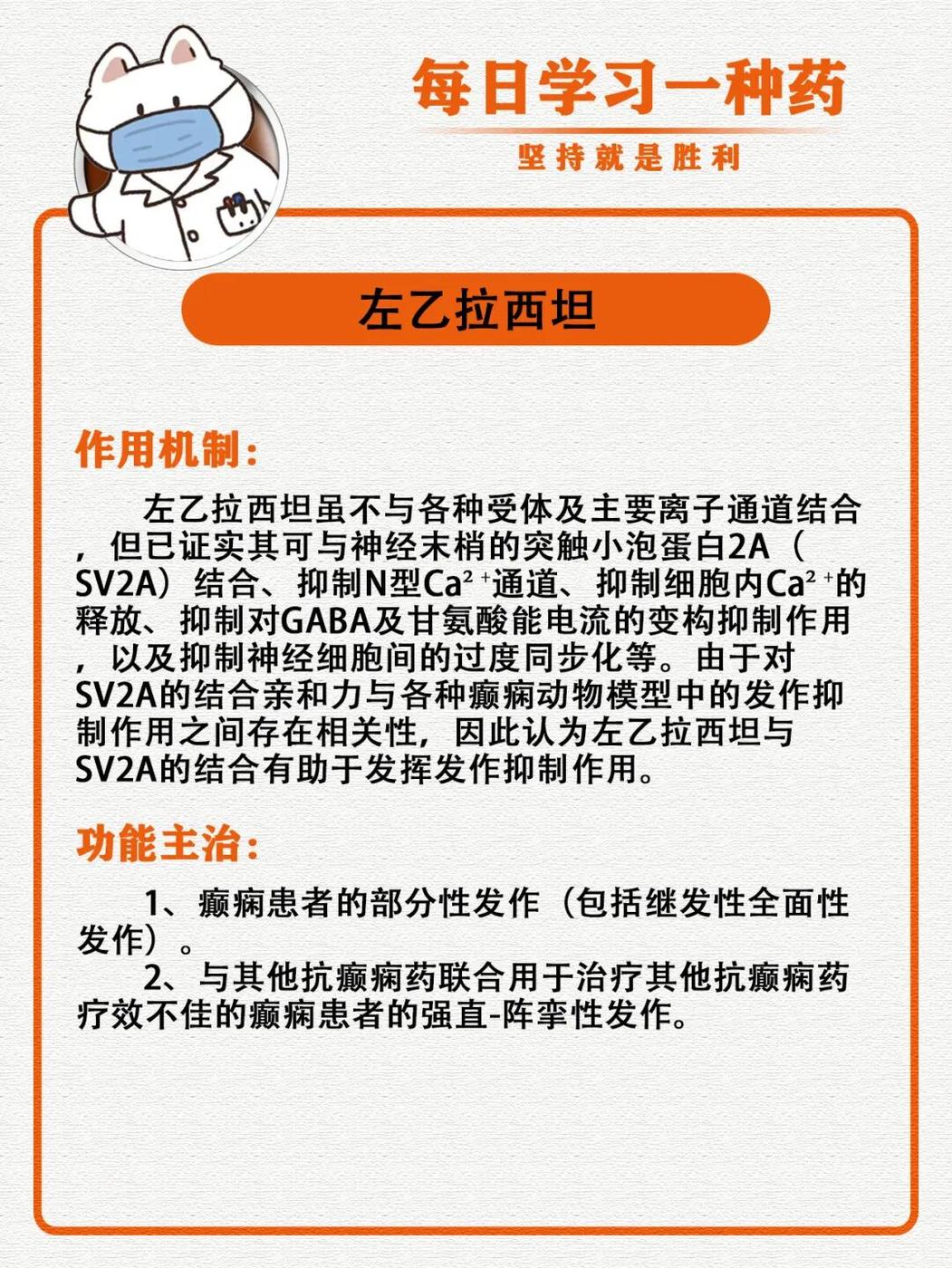
Feature Description Levetiracetam does not bind to various receptors or major ion channels, but it has been observed to bind to synaptic vesicular protein 2A (SV2A) at nerve terminals, inhibit N-type Ca2+ channels, suppress intracellular Ca2+ release, suppress allosteric inhibition of GABA and glycine-related currents, and suppress excessive synchronization between neurons. Since there is a correlation between SV2A binding affinity and seizure suppression in various epilepsy animal models, it is believed that the binding of levetiracetam to SV2A contributes to seizure suppression.
Section 2 · 02
English translation
100 tablets [10 tablets× 10 blisters: pharmaceutical blister packaging].
Section 3 · 03
English translation
Characteristics Blue oval film-coated lock.
Section 4 · 04
English translation
Ingredient Information Active ingredient per tablet: Levetiracetam 250mg. Additives: crystalline cellulose, low-substitution hydroxypropyl cellulose, povidone, magnesium stearate, polyvinyl alcohol (partial saponide), Macrogol 4000, titanium dioxide, talc, blue No. 2 aluminum rake.
Section 5 · 05
English translation
Indications 1. Partial seizures in epilepsy patients (including secondary generalized seizures). 2. Combination therapy with antiepileptic drugs for tonic intercollegiate seizures in epilepsy patients whose effects are insufficient with other antiepileptic drugs.
Section 6 · 06
English translation
Dosage and Administration Adults: Typically, adults receive 1000 mg of levetiracetam orally divided into two doses per day. Adjust the dose appropriately within a range not exceeding 3000 mg per day depending on symptoms, but increase the dose at intervals of at least two weeks, with daily doses of 1000 mg or less. Children: Typically, children aged 4 years and older receive 20 mg/kg of levetiracetam orally twice daily. Adjust the dose appropriately within a range not exceeding 60 mg/kg per day depending on symptoms, but increase the dose at intervals of at least two weeks and at doses of 20 mg/kg or less per day. However, for children weighing 50 kg or more, use the same dosage and administration as adults.
Section 7 · 07
English translation
Notes 1. Rapid dose reduction or discontinuation during continuous use may cause exacerbation of epileptic seizures or status epilepticus; therefore, if discontinuing, proceed with caution, such as gradually reducing the dose over at least two weeks. 2. Drowsiness, decreased attention, concentration, and reflex motor skills may occur, so patients receiving this drug should be careful not to engage in dangerous machinery operations such as driving a car. 3. Mental symptoms such as irritability, confusion, agitation, agitation, and aggression may appear, which may lead to suicidal intent. Therefore, carefully observe the patient's condition and changes in pathology during administration. 4. Provide patients and their families with sufficient explanations about the potential manifestations of mental symptoms such as aggression and suicide attempts, and instruct them to maintain close communication with physicians.
Section 8 · 08
English translation
Side Effects 1. Toxic epidermal necrolysis (TEN), Stevens-Johnson syndrome (both frequency unknown) If abnormalities such as fever, erythema, blisters or erosions, itching, sore throat, eye redness, or stomatitis are observed, discontinue administration and take appropriate treatment. 2. Drug-induced hypersensitivity syndrome (frequency unknown) Early symptoms include rash and fever, followed by liver dysfunction, lymphadenopathy, increased white blood cells, eosinophilia, and the appearance of atypical lymphocytes, resulting in delayed, severe hypersensitivity symptoms. Note that reactivation of viruses such as human herpes virus 6 (HHV-6) is often involved, and symptoms such as rash, fever, and liver dysfunction may recur or persist even after discontinuation, so caution is advised. 3. Severe blood disorders (frequency unknown) Pancytopenia, agranulocytosis, leukopenia, neutropenia, and thrombocytopenia may occur. 4. Liver failure, hepatitis (both with unknown frequency) Severe liver damage such as liver failure and hepatitis may occur. 5. Pancreatitis (frequency unknown) If severe abdominal pain, fever, nausea, vomiting, or elevated pancreatic enzyme levels appear, discontinue administration and take appropriate measures. 6. Aggression and suicidal intent (both less than 1%) Mental symptoms such as irritability, confusion, agitation, excitement, and aggression may appear, and may even lead to suicidal attempts. 7. Rhabdomyolysis (frequency unknown) If muscle pain, weakness, increased CK (high fever card), or increased myoglobin in blood and urine appear, discontinue administration and take appropriate measures. 8. Acute kidney injury (frequency unknown) 9. Malignant syndrome (frequency unknown) If fever, muscle stiffness, elevated serum CK, tachycardia, blood pressure fluctuations, impaired consciousness, excessive sweating, or increased white blood cells appear, discontinue administration and take appropriate measures such as body cooling, hydration, and respiratory management. Additionally, renal function decline accompanied by myoglobinuria may also be observed. 10. Other side effects (1) Psychiatric and nervous system: Floating vertigo (10.4%), headache (11.8%), insomnia, somnolence (27.9%), numbness, mood swings, tremors, susceptibility to stabbing Agitation, convulsions, depressive agitation, amnesia, attention disorders, hallucinations, hypermovement, memory impairment, illusions, abnormal thinking, balance disorders, emotional instability, abnormal behavior, coordination disorders, anger, dyskinesia, anxiety, postural dizziness, sleep disorders, tension headaches, psychotic disorders, panic attacks, delirium, confusion, hostility, mood swings, nervousness, personality disorders, psychomotor hyperactivity, dance atetosis, drowsiness, epileptic exacerbations, Obsessive-compulsive disorder. (2) Eyes: diplopia, conjunctivitis, fog-sighted, eye fatigue, eye pruritus, stye. (3) Blood: decreased neutrophil count, anemia, reduced iron in the blood, iron deficiency anemia, decreased platelet count, increased white blood cell count, decreased white blood cell count. (4) Cardiovascular system: ECG QT prolongation, hypertension. (5) Digestive system: abdominal pain, constipation, diarrhea, gastroenteritis, nausea, stomatitis, vomiting, tooth decay, gingivitis, hemorrhoids, stomach discomfort, toothache, indigestion, cheilitis, gum swelling, periodontitis. (6) Liver: increased ALP, abnormal liver function. (7) Urinary and reproductive organs: cystitis, positive glucose in urine, positive blood in urine, positive protein in urine, dysmenorrhea, frequent urination. (8) Respiratory: nasopharyngitis (30.2%), sore throat, upper respiratory tract inflammation, bronchitis, cough, rhinorrhea, pharyngitis, influenza, rhinitis, nosebleeds, pneumonia. (9) Metabolism and nutrition: loss of appetite. (10) Skin: eczema, dermatitis, pruritus, rash, acne, alopecia, herpes simplex, shingles, tinea infection, erythema multiforme, angioedema. (11) Musculoskeletal system: back pain, shoulder pain, muscle pain, musculoskeletal stiffness, joint pain, neck pain, limb pain, muscle weakness. (12) Sensory organs: tinnitus, spinning vertigo. (13) Others: fatigue, fever, weight loss, increased blood triglycerides, chest pain, weight gain, asthenia, fatigue, peripheral edema, increased anticonvulsant concentration, trauma from accidents (skin lacerations, etc.).
Section 9 · 09
English translation
taboo Patients with a history of hypersensitivity to any component of this drug or pyrrolidone derivatives.

Source images

2 images

Need help sourcing Japanese medicines or OEM production?

💬