Endocrine & Metabolic · ENDOCRINE

cyproterone

日本語原題:Androcur 50/100 mg tablets

Published2026-04-21 09:27 Content9 sections / 2 images
English translation of the Japanese package insert is the main text; the Japanese original is shown alongside for verification. Use the language menu (top right) to read the page in another language. This site is for reference only — consult a doctor or pharmacist before use.
Section 1 · 01
English translation
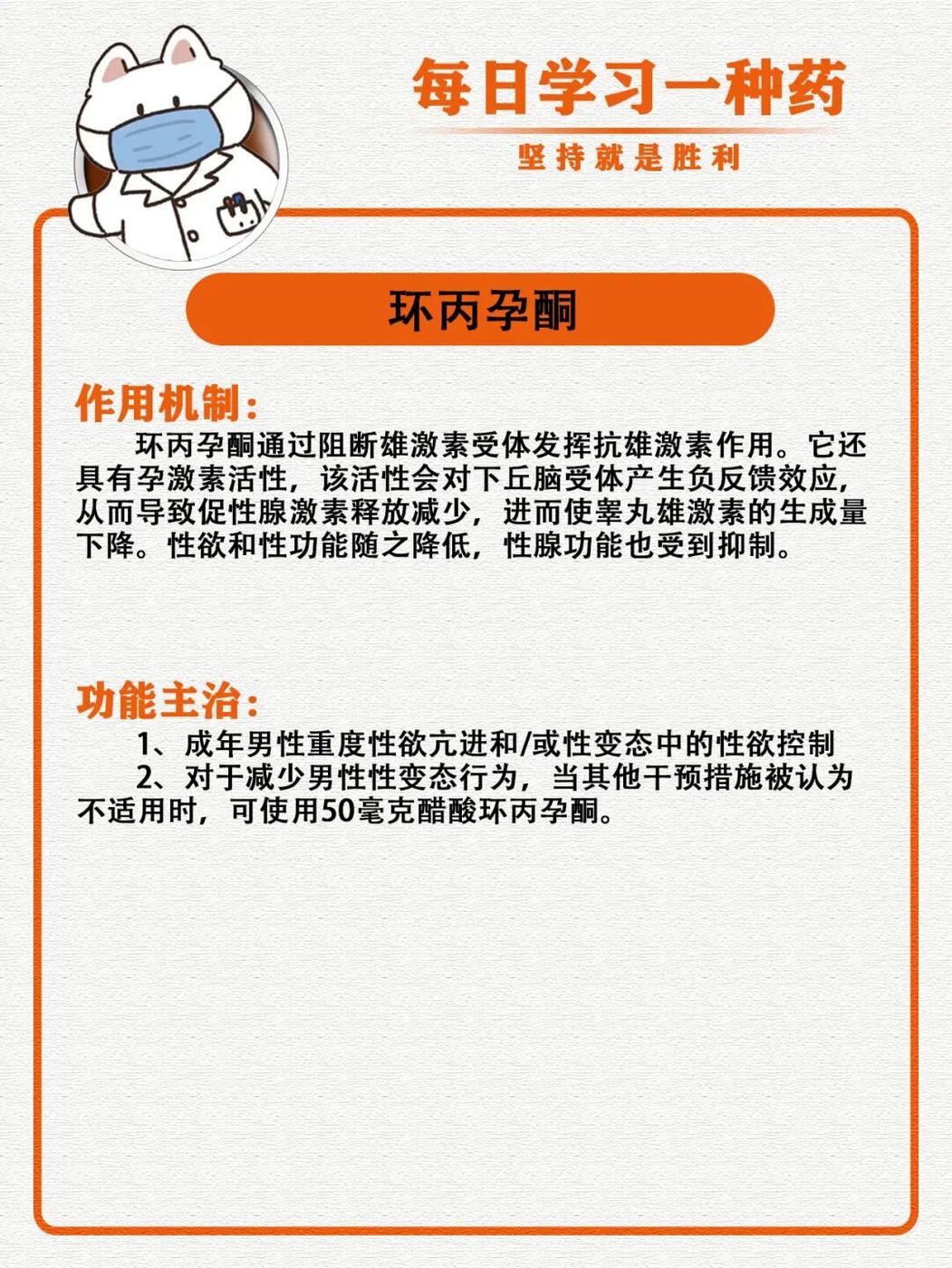
Cyproterone acetate exerts its anti-androgen effect by blocking androgen receptors. It also has progesterone activity, which produces negative feedback effects on hypothalamic receptors, leading to reduced gonadotropin release and thus decreased testosterone production. Libido and sexual function decrease accordingly, and gonadal function is suppressed.
Section 2 · 02
English translation
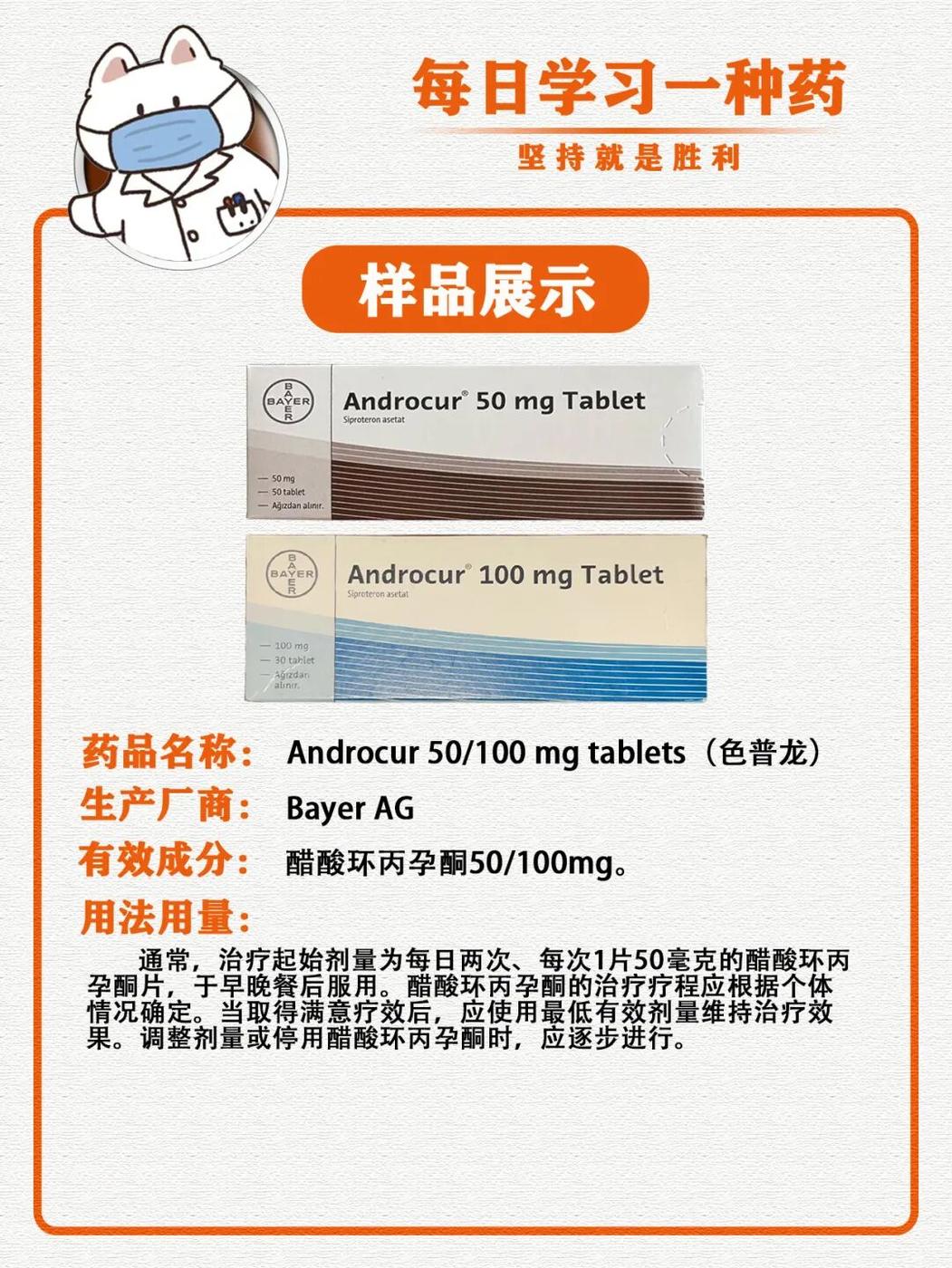
1. Sepron 50mg (1) PVC / aluminum-plastic blister packaging. (2) Packaging specification: 50 tablets. 2. Sepron 100mg (1) PVC / aluminum-plastic blister packaging. (2) Packaging specification: 30 tablets.
Section 3 · 03
English translation
Tablets.
Section 4 · 04
English translation
1. Sepron 50mg Each tablet contains 50 mg of cyproterone acetate. 2. Sepron 100mg Each tablet contains 100 mg of cyproterone acetate.
Section 5 · 05
English translation
1. Sexual desire control in adult males with severe hypersexuality and/or sexual deviation 2. To reduce male sexual perversion, 50 mg of cyproterone acetate may be used when other interventions are deemed unsuitable.
Section 6 · 06
English translation
1. Adult Typically, the starting dose is one 50 mg tablet of cyclopproterone acetate, twice daily, taken after breakfast and dinner. The course of treatment for cyproterone acetate should be determined according to individual circumstances. Once satisfactory results are achieved, the lowest effective dose should be used to maintain the therapeutic effect. Dose adjustments or discontinuation of cyproterone acetate should be done gradually. 2. Additional information for special groups (1) Children Due to lack of safety and efficacy data, Androcur is not recommended for male children and adolescents under 18 years old. Progesterone should not be taken before the end of puberty, as it cannot be ruled out that it may adversely affect longitudinal growth and the unstable endocrine axis of function. (2) Elderly Currently, there is no data indicating that elderly patients need dose adjustments. (3) Patients with liver dysfunction Sepron is contraindicated in patients with liver disease. (4) Patients with renal insufficiency Currently, there are no studies on the use of cyproterone acetate in patients with renal impairment. No data indicate a need for dose adjustment in patients with renal impairment
Section 7 · 07
English translation
Liver: Direct hepatotoxicity including jaundice, hepatitis, and liver failure has been observed in patients treated with Sepron. There have also been reports of fatal cases at doses of 100 mg or higher. Most reported deaths were in male patients with advanced prostate cancer. Toxicity is dose-dependent and usually appears several months after starting treatment. Regular liver function tests should be performed before and during treatment. If any symptoms or signs suggestive of liver toxicity appear, immediate examination is necessary. If hepatotoxicity is confirmed, Sepron should be discontinued unless the toxicity can be explained by other causes (such as metastatic disease); in this case, Sepron should only be continued if the benefits outweigh the risks. In extremely rare cases, benign and malignant liver tumors have been observed after using Seprone, which may lead to life-threatening intra-abdominal hemorrhage. If severe upper abdominal discomfort, liver enlargement, or signs of intra-abdominal bleeding occur, liver tumors should be considered for differential diagnosis. Thromboembolic events: There have been reports of thromboembolic events in patients using Sepron, although causality has not yet been established. Patients with a history of arterial or venous thromboembolism (such as deep vein thrombosis, pulmonary embolism, myocardial infarction), history of cerebrovascular accidents, or advanced malignancies have an increased risk of further thromboembolic events and may relapse during Sepron treatment. Meningioma: It has been reported that the use of cyproterone acetate (mainly doses of 25 mg or higher) is associated with the occurrence of meningiomas (solitary and multiple). Meningioma risk increases with increasing cumulative dose of cyproterone acetate (see section 5.1). Long-term use (several years) or short-term high-dose use can achieve high cumulative doses. Meningioma monitoring should be performed according to clinical routine. If a patient receiving sepron treatment is diagnosed with meningioma, they must permanently stop using sepron and other cyproterone-containing preparations. There is evidence that the risk of meningioma may decrease after discontinuing cyproterone therapy. Difficulty breathing: Difficulty breathing may occur with high-dose use of ceprox. This may be caused by the stimulating effects of progesterone and synthetic progesterone on respiration, accompanied by hypocapnia and compensatory alkalosis, and generally does not require treatment. Adrenal cortex function: Adrenal cortex function should be regularly monitored during treatment, as preclinical data suggest that high-dose seproone has corticosteroid-like effects that may inhibit adrenal cortex function. Diabetes: Diabetic patients must strictly monitor medication because Sepron may affect glucose metabolism. All diabetes patients should carefully check their glucose metabolism indicators before and during treatment, as the demand for oral hypoglycemic drugs or insulin may change. Anemia: There have been reports of anemia during long-term treatment. Therefore, red blood cell counts should be checked regularly during treatment. Lactose: Each Celon tablet contains 108.75 mg of lactose. Patients with rare hereditary galactose intolerance, lap lactase deficiency, or glucose-galactose malabsorption should not take this product. Patients on a lactose-free diet should consider the lactose content. Sperm production: Before starting treatment, patients of reproductive age should have a semen test to avoid attributing pre-existing infertility to Sepron in the future. It should be noted that the inhibitory effect on sperm production is slow, so Sepron should not be used as a male contraceptive. Medical and legal considerations: Doctors are advised to ensure that the patient's fully informed consent for Sepron treatment is witnessed and verifiable.
Section 8 · 08
English translation
Among patients taking Seproron, the most common adverse drug reactions (ADRs) were decreased libido, erectile dysfunction, and reversible inhibition of spermatogenesis. Among patients taking Seprone, the most severe adverse drug reactions were hepatotoxicity, benign or malignant liver tumors that may cause intra-abdominal bleeding, and thromboembolic events. The following approximate incidence rates are estimated based on reports from multiple small clinical trials and spontaneous adverse reaction reports: - Very common: incidence ≥ 1/10 - Common: Incidence < 1/10 but ≥ 1/100 - Rare: Incidence < 1/100 but ≥ 1/1000 - Rare: Incidence < 1/1000 but ≥ 1/10000 - Very rare: incidence < 1 in 10,000 - Unknown (cannot be estimated based on existing data) 1. Benign, malignant, and tumors of unclear nature (including cysts and polyps) (1) Rare: Meningioma. Reports have shown that the use of cyproterone acetate is associated with the occurrence of meningiomas (single and multiple). (2) Very rare: Benign and malignant liver tumors that can cause life-threatening intra-abdominal hemorrhage. 2. Hematologic and lymphatic system diseases (1) Unknown: Anemia can occur during long-term treatment. 3. Immune system diseases (1) Rare: Allergic reactions may occur. 4. Endocrine diseases (1) Unknown: Adrenal cortex function suppression. 5. Metabolic and nutritional diseases (1) Common: Weight changes during long-term treatment (mainly weight gain accompanied by fluid retention). 6. Mental illness (1) Common: Depressive moods and restlessness (transient). 7. Vascular diseases (1) Unknown: Thromboembolic events, although causality has not yet been established. 8. Diseases of the respiratory system, thoracic cavity, and mediastin (1) Common: Difficulty breathing. 9. Liver and gallbladder diseases (1) Common: Direct hepatotoxicity has been observed in patients treated with Sepron, including jaundice, hepatitis, and liver failure. Fatal cases have also been reported at doses of 100 mg or above, mostly in male patients with advanced prostate cancer. This toxicity is dose-dependent and usually appears several months after treatment begins. 10. Skin and subcutaneous tissue diseases (1) Occasional Appearance: Rash (2) Unknown: Reports have shown that reduced sebum secretion leads to dry skin and improves existing common acne; Additionally, temporary patchy body hair loss may occur, hair growth slows, hair growth accelerates, hair color becomes lighter, and female-pattern pubic hair growth may also be observed. 11. Musculoskeletal and connective tissue diseases (1) Unknown: Osteoporosis (caused by long-term androgen deprivation). 12. Reproductive system diseases 13. Sperm production inhibition: (1) Very common: Reduced sperm count and ejaculation volume. Infertility usually occurs, and azoospermia may develop after 8 weeks of treatment, often accompanied by mild seminiferous tubular atrophy. Follow-up shows these changes are reversible; spermatogenesis usually returns to original levels about 3~5 months after discontinuation, with some users experiencing up to 20 months. It is still unclear whether spermatogenesis can be restored after very long-term treatment. There is evidence that abnormal sperm may be produced during Sepron treatment, which can cause embryonic malformations. 14. Gynecomastia Development: (1) Common: Gynecomastia in men (sometimes accompanied by nipple tenderness) usually fades after stopping the medication. (2) Rare: There have been reports of galactorrhea and tender benign nodules. Most symptoms improve after stopping or reducing the medication. 15. Systemic diseases and reactions at the administration site (1) Common: Hot flashes, sweating, fatigue, and lethargy.
Section 9 · 09
English translation
1. Allergy to active substances or any excipients. 2. Liver diseases (including Dubin-Johnson syndrome and Rotot syndrome). 3. Malignant tumors (excluding prostate cancer). 4. Past or existing liver tumors. 5. Consumptive diseases (due to temporary catabolic effects). 6. Past or existing thrombosis or embolism. 7. Severe diabetes with vascular lesions. 8. Sickle cell anemia. 9. Severe chronic depression. 10. Meningioma or history of meningioma. 11. Sepron must not be used in adolescents under 18 years old, or those whose bones are not yet fully mature or testicular development is complete. Please like Please share Please like it

Source images

2 images

Need help sourcing Japanese medicines or OEM production?

💬