Sodium Picosulfate Hydrate
日本語原題:ラキソベロン内用液0.75%
Nippon Bureau picosulferto sodium hydrate 7.5 mg/mL.
Source images
3 imagesThe artwork keeps its original Japanese/Chinese lettering. Open “Text in this image” under a picture to read what it says in your language (machine-read, may contain errors).
Text in this image machine-read · may contain errors
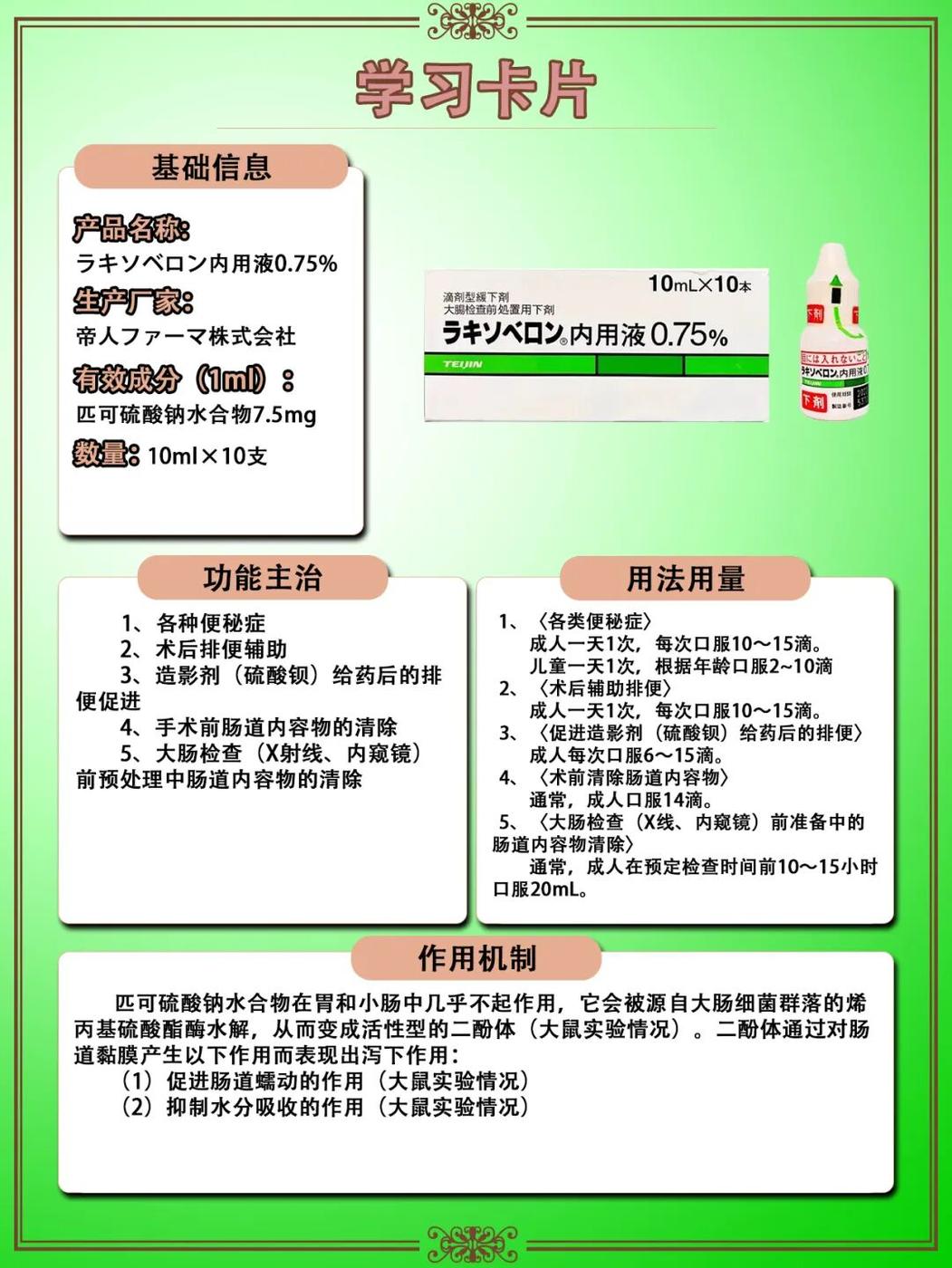
Basic information Product Name: Loss of 0.75% oral solution 10 10mLX10 units Manufacturer: A laxative for pre-examination of the major glands Laxoberon Oral Solution 075% Teijin Pharma Co., Ltd TEUIN Active ingredient (1ml): Pico sulfate sodium hydrate 7.5 mg Quantity: 10ml × 10 bottles Functions and indications Usage and dosage 1. "Various Constipation" 1. Various constipations Adults take 1015 drops orally once daily. 2. Postoperative bowel assistance Children take once a day, orally 2~10 drops according to age 3. Discharge after administration of contrast agent (barium sulfate). 2. "Postoperative Defecation Assistance" and thus promote progress 4. Removal of intestinal contents before surgery 3. "Promote defecation after administration of contrast agent (sulfate clone)") 5. Colon examination (X-ray, endoscopy) Adults take 615 drops orally each time. 4. "Preoperative Intestinal Contents Clearance" Removal of intestinal contents during pre-treatment Typically, adults take 14 drops. 5. "Preparing for colon examination (X-ray, endoscopy)." Intestinal Contents Clearing Typically, adults should wait 10~15 hours before the scheduled check-up Oral administration: 20mL. Mechanism of action Pico sulfate hydrate has almost no effect in the stomach and small intestine; it is replaced by an ene derived from the coliform bacterial community propylsulfatase hydrolyzes to form active diphenols (as shown in rat experiments). Diphenols pass through the intestine The mucosa exhibits the following laxative effects: (1) Promotes intestinal peristalsis (rat experiment results) (2) Inhibition of water absorption (rat experiment results)
基础信息 产品名称: 亏个口内用液0.75% 10mLX10本 生产厂家: 大腺检查前处置用下剂 ラキソべロン内用液 075 % 帝人ファーマ株式会社 TEUIN 有效成分(1ml: 匹可硫酸钠水合物7.5mg 数量:10ml×10支 功能主治 用法用量 1、《各类便秘症) 1、各种便秘症 成人一天1次,每次口服1015滴。 2、术后排便辅助 儿童一天1次,根据年龄口服2~10滴 3、造影剂(硫酸钡)给药后的排 2、《术后辅助排便》 便促进 4、手术前肠道内容物的清除 3、《促进造影剂(硫酸锁)给药后的排便) 5、大肠检查(X射线、内窥镜) 成人每次口服615滴。 4、《术前清除肠道内容物》 前预处理中肠道内容物的清除 通常,成人口服14滴。 5、《大肠检查(X线、内窥镜)前准备中的 肠道内容物清除》 通常,成人在预定检查时间前10~15小时 口服20mL。 作用机制 匹可硫酸钠水合物在胃和小肠中几乎不起作用,它会被源自大肠细菌群落的烯 丙基硫酸酯酶水解,从而变成活性型的二酚体(大鼠实验情况)。二酚体通过对肠 道黏膜产生以下作用而表现出泻下作用: (1)促进肠道蠕动的作用(大鼠实验情况) (2)抑制水分吸收的作用(大鼠实验情况)
Basic information Product Name: Loss of 0.75% oral solution 10 10mLX10 units Manufacturer: A laxative for pre-examination of the major glands Laxoberon Oral Solution 075% Teijin Pharma Co., …
Text in this image machine-read · may contain errors
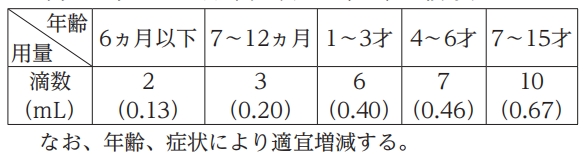
Below 6 months 1~3 inches, 4~6 inches 7~15 inches (mL) (0.20) (0.13) (0.40) (0.46) (0.67) Adjust symptoms appropriately.
6力月以下 1~3寸4~6寸 7~15寸 (mL) (0.20) (0.13) (0.40) (0.46) (0.67) 症状適宜增减。
Below 6 months 1~3 inches, 4~6 inches 7~15 inches (mL) (0.20) (0.13) (0.40) (0.46) (0.67) Adjust symptoms appropriately.…
Text in this image machine-read · may contain errors
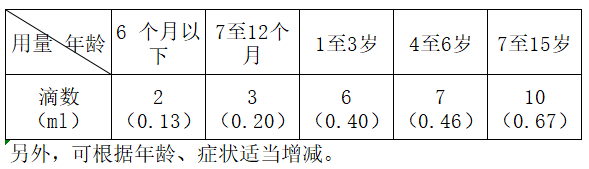
7 to 12 pieces Ages 1 to 3 Ages 4 to 6 (ml) (0. 13) (0. 20) (0. 40) (0.46) (0. 67) Additionally, depending on age, Adjust symptoms appropriately.
7至12个 1至3岁 4至6岁 (ml) (0. 13) (0. 20) (0. 40) (0.46) (0. 67) 另外,可根据年龄、 症状适当增减。
7 to 12 pieces Ages 1 to 3 Ages 4 to 6 (ml) (0. 13) (0. 20) (0. 40) (0.46) (0. 67) Additionally, depending on age, Adjust symptoms appropriately.…