Pylorus 400/800
日本語原題:ボノサップパック400/800
Source images
10 imagesThe artwork keeps its original Japanese/Chinese lettering. Open “Text in this image” under a picture to read what it says in your language (machine-read, may contain errors).
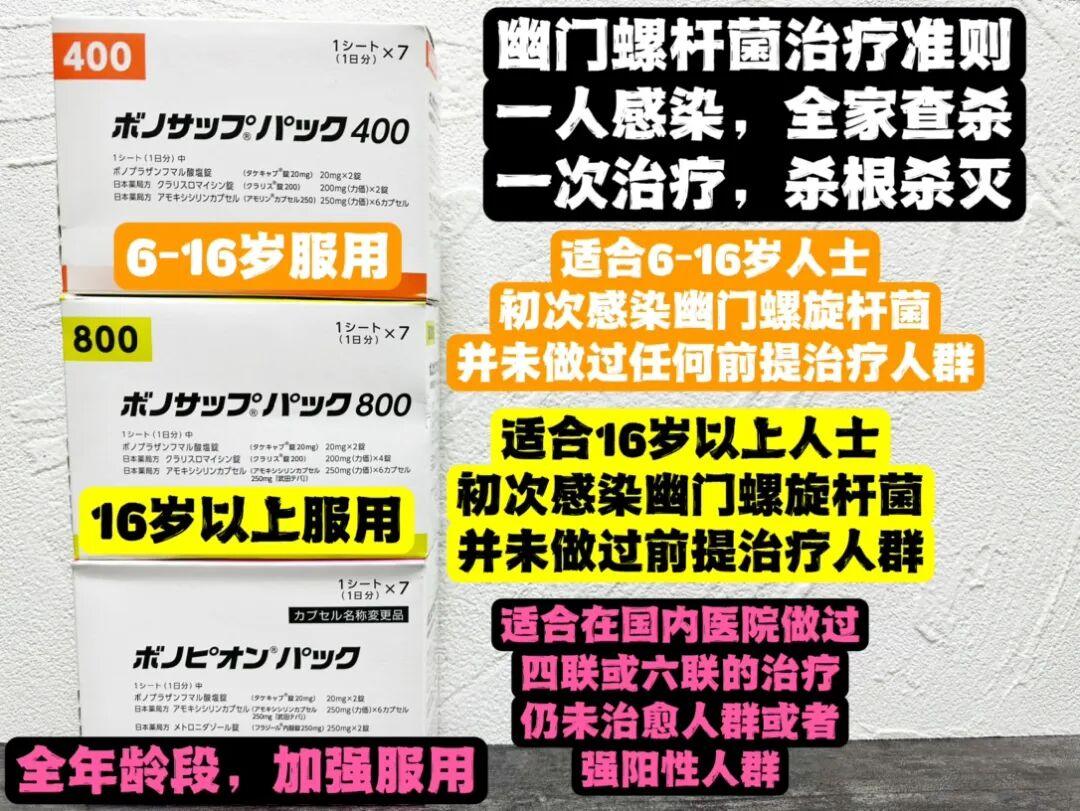
Text in this image machine-read · may contain errors
Helicobacter pylori Treatment Guidelines One person infected, whole family investigated and killed One treatment, eradicate the root Nobrazan Humaru Noble-Shin 200mg (Litong) ×2 loads Taken for ages 6-16 Suitable for ages 6-16 First-time Helicobacter pylori infection People who have never undergone any prerequisite treatment Bono Saffts 10 Packs 800 Nobrazan Fumaru 0 200mg (Litong) × 4 For those aged 1G and above. People who have not undergone prerequisite treatment Suitable for those who have worked in domestic hospitals Liqier Name Change Product Treatment of quadruple or six-drug therapy Nobu Zanovmaru Nobu Still uncured or Increase dosage for all age groups.
幽门螺杆菌治疗准则 一人感染,全家查杀 一次治疗,杀根杀灭 第ノブラザンフマル第第新 200mg(力通)×2货 6-16岁服用 适合6-16岁人士 初次感染幽门螺旋杆菌 并未做过任何前提治疗人群 ボノサッフツ 10 ック 800 ノブラザンフマル第ま 0 200mg(力通)×4起 1G岁以上服用 并未做过前提治疗人群 适合在国内医院做过 力七儿名称变更品 四联或六联的治疗 第ノブうザノフマル第を第 仍未治愈人群或者 全年龄段,加强服用
Helicobacter pylori Treatment Guidelines One person infected, whole family investigated and killed One treatment, eradicate the root Nobrazan Humaru Noble-Shin 200mg (Litong) ×2 loads Taken …
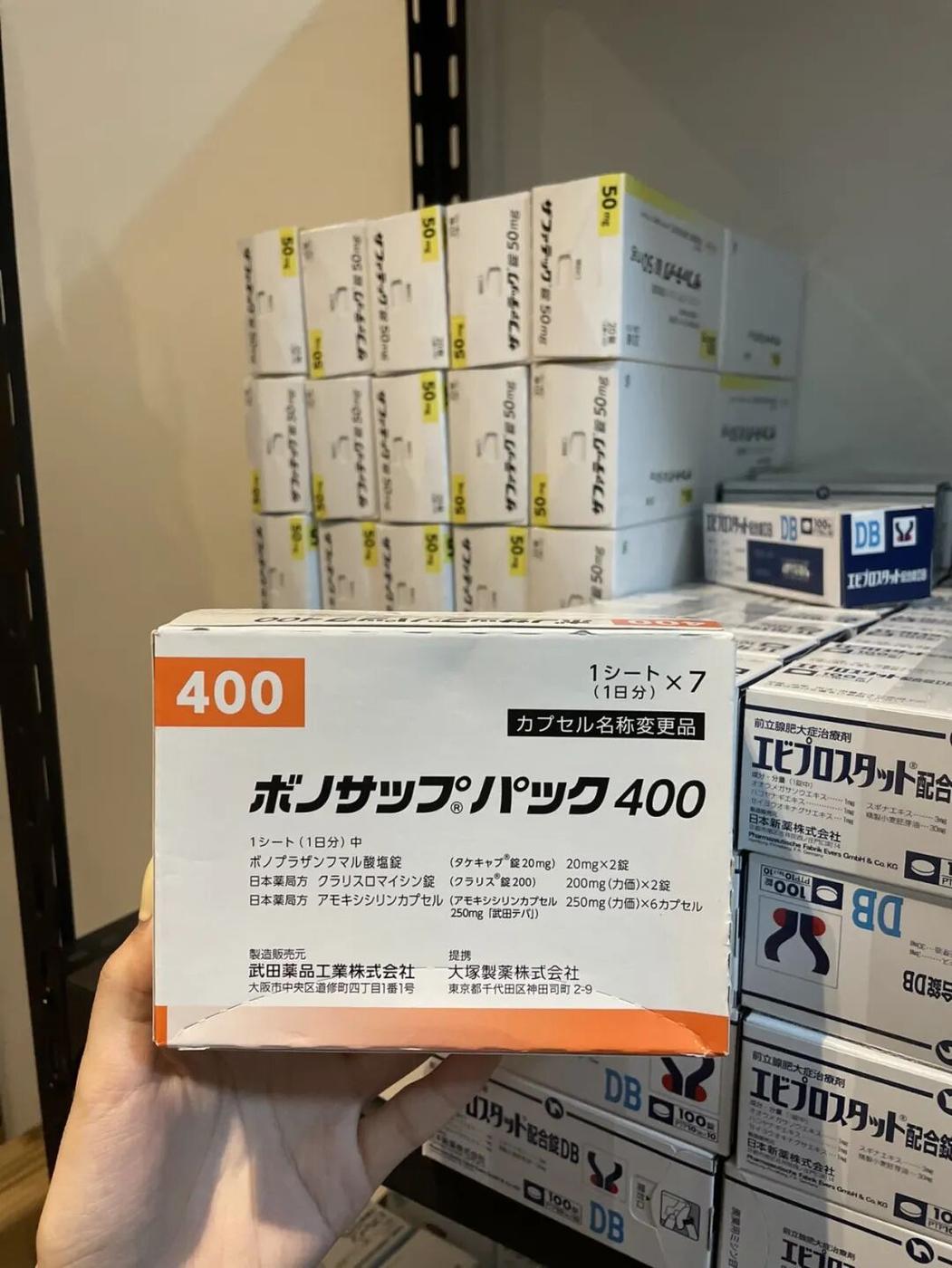
Text in this image machine-read · may contain errors
Capsule Renamed Products Anti-Medication for Benign Prostatic Hyperplasia Nihon Shindai Co., Ltd. (9 spoons of beef + 20mg tablets) 20mg ×2 Bonobrazan Fumarate Tablets 200mg (Liliang) × 2 tablets 250mg (Takeda/) Takeda Vegetable Products Co., Ltd. Daiseisai Co., Ltd. Heding DB 2-9 Kanda Tsukasamachi, Chiyoda-ku, Tokyo 4-1-1 Doshomachi, Chuo-ku, Oban City External Compatibility Performance DB
カプセル名称変更品 前立腺肥大症治薇剂 日本新第株式会社 (9勺牛+锭20mg)20mg×2 ボノブラザンフマル酸塩錠 200mg(力俩)×2锭 250mg(武田/) 武田菜品工業株式会社 大製菜株式会社 合锭DB 東京都千代田区神田司町2-9 大版市中央区道修町四丁目1番1号 外配合能DB
Capsule Renamed Products Anti-Medication for Benign Prostatic Hyperplasia Nihon Shindai Co., Ltd. (9 spoons of beef + 20mg tablets) 20mg ×2 Bonobrazan Fumarate Tablets 200mg (Liliang) × 2 ta…
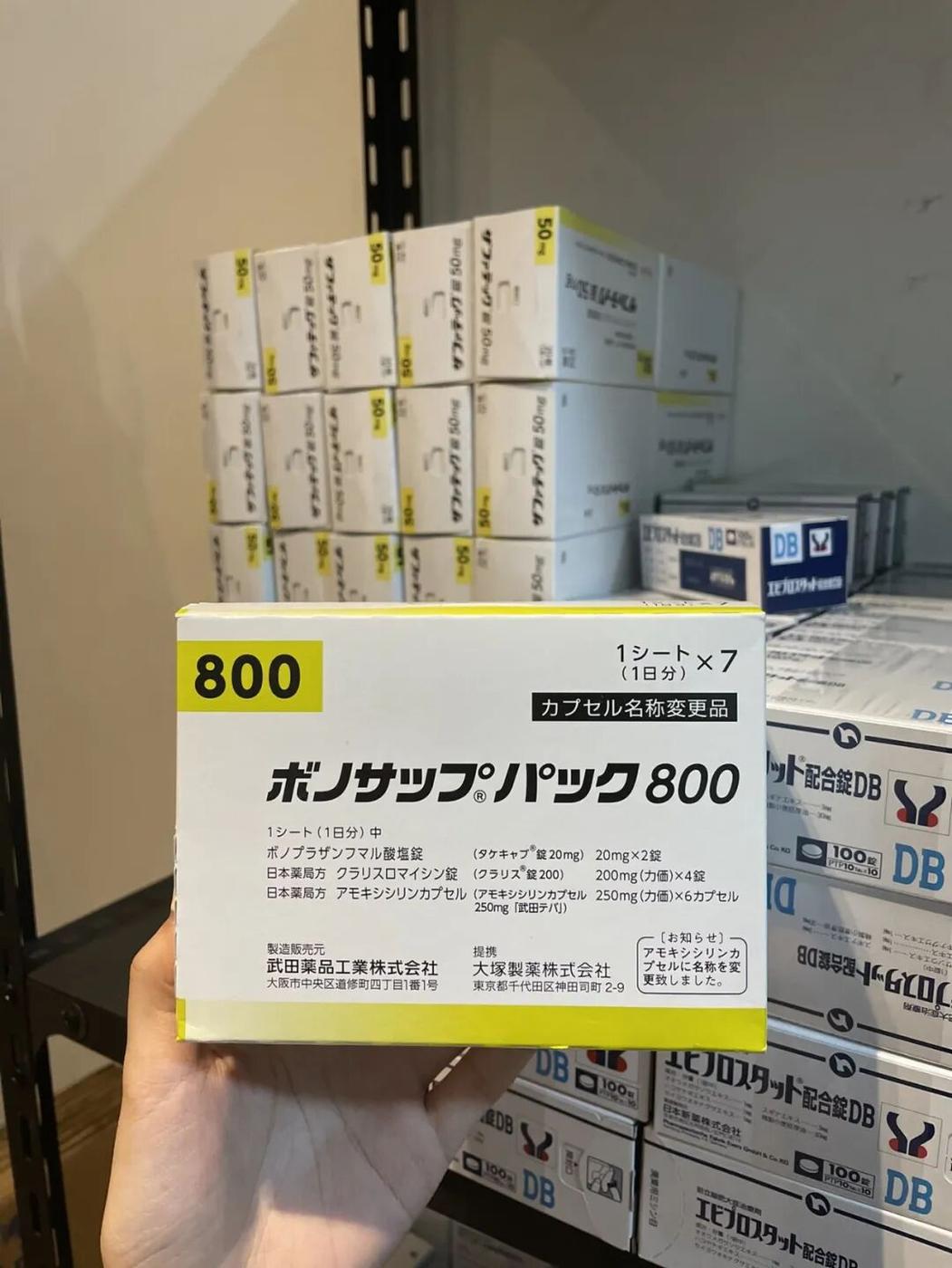
Text in this image machine-read · may contain errors
(1 day's supply) Capsule Renamed Products External Compound Tablet DB 1 Half (1 day) Bonobrazan Fumarate Tablets Japanese Cuisine Bureau Prescription Tablets 200mg (Liliang) × 4 tablets 250mg [Hajime Takeda/] External Coordination DB Plate Maker Shell Takeda Vegetable Products Co., Ltd. Amoxi Silinka Otsuka Pharmaceutical Co., Ltd. changed its name to Pcel Added more. 4-1-1 Doshomachi, Chuo-ku, Oban City 2-9 Kanda Tsukasamachi, Chiyoda-ku, Kyoto
(1日分) カプセル名称変更品 外配合锭DB 1一下(1日分)中 ボノブラザンフマル酸塩錠 日本菜局方口锭 200mg(力俩)×4锭 250mg【武田元/]】 外配合DB 造版壳元 武田菜品工業株式会社 アモキシシリンカ 大塚製薬株式会社プセルに名称を変 更しました。 大版市中央区道修町四丁目1番1号 束京都千代田区神田司町2-9
(1 day's supply) Capsule Renamed Products External Compound Tablet DB 1 Half (1 day) Bonobrazan Fumarate Tablets Japanese Cuisine Bureau Prescription Tablets 200mg (Liliang) × 4 tablets 250m…
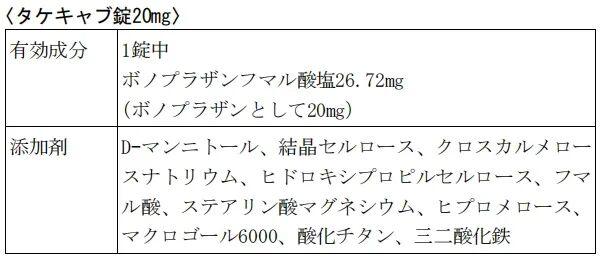
Text in this image machine-read · may contain errors
1 ingot There was a certain impeachment involved. Bonobrazan fumarate 26.72 ()20mg) Additives Sour, sour, what... 7 spoons of 18 6000, soothing in the spoon, iron trioxide
1锭中 有劾成分 ボノブラザンフマル酸塩 26.72 ()20mg) 添加剂 酸、了酸么、、 7勺口一八6000、酸化于勺、三二酸化铁
1 ingot There was a certain impeachment involved. Bonobrazan fumarate 26.72 ()20mg) Additives Sour, sour, what... 7 spoons of 18 6000, soothing in the spoon, iron trioxide…
Text in this image machine-read · may contain errors
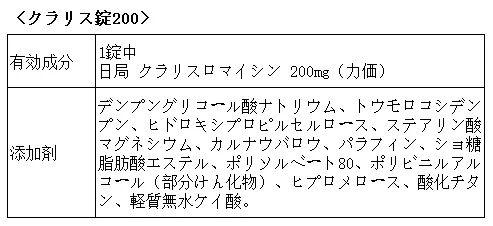
Kuclaris Tablets 200 〉 1 ingot There was a certain impeachment involved. Tablet 200mg (two doses) Fatty acids ~ 80. 1. (Partial Chemical Compounds), 1. Acidification
くクラリス錠 200 〉 1锭中 有劾成分 局200mg(俩) 脂肪酸~80、了 一(部分计化物)、一、酸化
Kuclaris Tablets 200 〉 1 ingot There was a certain impeachment involved. Tablet 200mg (two doses) Fatty acids ~ 80. 1. (Partial Chemical Compounds), 1. Acidification…
Text in this image machine-read · may contain errors
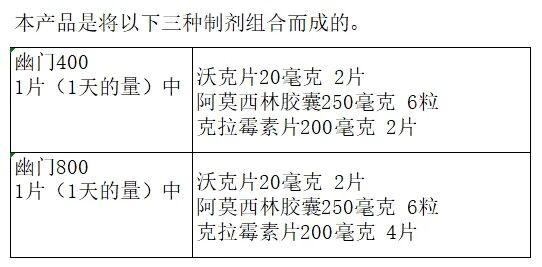
This product is composed of the following three formulations. Pylorus 400 Walker tablets 20 mg 2 tablets 1 tablet (daily supply). Amoxicillin capsules 250 mg 6 capsules Clarithromycin tablets 200 mg 2 tablets Pylorus 800 Clarithromycin tablets 200 mg 4 tablets
本产品是将以下三种制剂组合而成的。 幽门400 沃克片20毫克2片 1片(1天的量)中 阿莫西林胶囊250毫克6粒 克拉霉素片200毫克2片 幽门800 克拉霉素片200毫克4片
This product is composed of the following three formulations. Pylorus 400 Walker tablets 20 mg 2 tablets 1 tablet (daily supply). Amoxicillin capsules 250 mg 6 capsules Clarithromycin tablet…
Text in this image machine-read · may contain errors
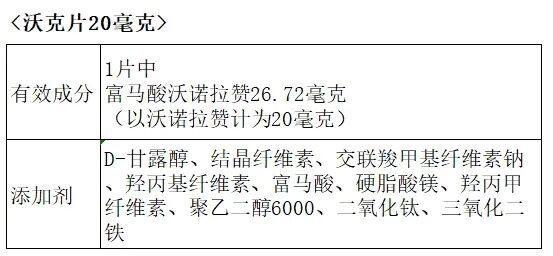
"Walker Tablets 20 mg" 1 Active ingredients Wonolazan fumarate 26.72 mg (Calculated as 20 mg with vonorazane) D-mannitol, crystalline cellulose, cross-linked sodium carboxymethylcellulose , hydroxypropylcellulose, fumaric acid, magnesium stearate, hydroxypropyl A Additives Cellulose, polyethylene glycol 6000, titanium dioxide, dioxide
《沃克片20毫克》 1片中 有效成分 富马酸沃诺拉赞26.72毫克 (以沃诺拉赞计为20毫克) D-甘露醇、结晶纤维素、交联羧甲基纤维素钠 、羟丙基纤维素、富马酸、硬脂酸镁、羟丙甲 添加剂 纤维素、聚乙二醇6000、二氧化钛、三氧化二
"Walker Tablets 20 mg" 1 Active ingredients Wonolazan fumarate 26.72 mg (Calculated as 20 mg with vonorazane) D-mannitol, crystalline cellulose, cross-linked sodium carboxymethylcellulose , …
Text in this image machine-read · may contain errors
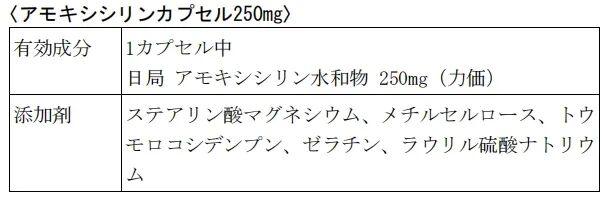
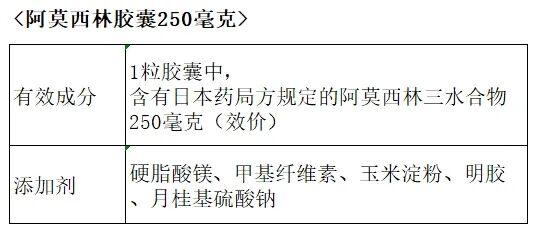
Amoxicillin Capsules 250 mg> In 1 capsule, Active ingredients Contains amoxicillin trihydrate as prescribed by Japanese pharmacopoeia 250 mg (potency) Magnesium stearate, methylcellulose, corn starch, gelatin , sodium lauryl sulfate
《阿莫西林胶囊250毫克> 1粒胶囊中, 有效成分 含有日本药局方规定的阿莫西林三水合物 250毫克(效价) 硬脂酸镁、甲基纤维素、玉米淀粉、明胶 、月桂基硫酸钠
Amoxicillin Capsules 250 mg> In 1 capsule, Active ingredients Contains amoxicillin trihydrate as prescribed by Japanese pharmacopoeia 250 mg (potency) Magnesium stearate, methylcellulose, co…
Text in this image machine-read · may contain errors
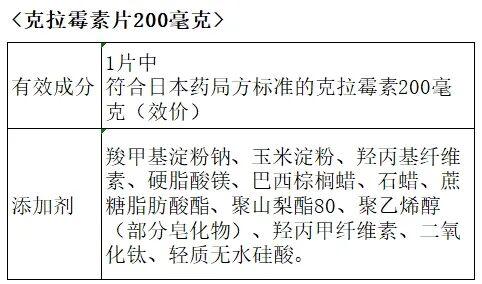
Clarithromycin Tablets 200mg Active ingredients Krasol 200 milligrams compliant with Japanese pharmacy standards grams (potency) Sodium carboxymethyl starch, corn starch, hydroxypropyl fiber Magnesium stearate, Brazilian palm wax, paraffin, sugarcane Additives Sugar fatty acid esters, polysorbide 80, polyvinyl alcohol (Some saponified substances) Hydroxymethylcellulose, dioxygen Titanium oxide, lightweight anhydrous silicic acid.
《克拉霉素片200毫克》 有效成分 符合日本药局方标准的克拉素200毫 克(效价) 羧甲基淀粉钠、玉米淀粉、羟丙基纤维 素、硬脂酸镁、巴西棕榈蜡、石蜡、蔗 添加剂 糖脂肪酸酯、聚山梨酯80、聚乙烯醇 (部分皂化物)羟内甲纤维素、二氧 化钛、轻质无水硅酸。
Clarithromycin Tablets 200mg Active ingredients Krasol 200 milligrams compliant with Japanese pharmacy standards grams (potency) Sodium carboxymethyl starch, corn starch, hydroxypropyl fiber…