Respiratory · RESPIRATORY

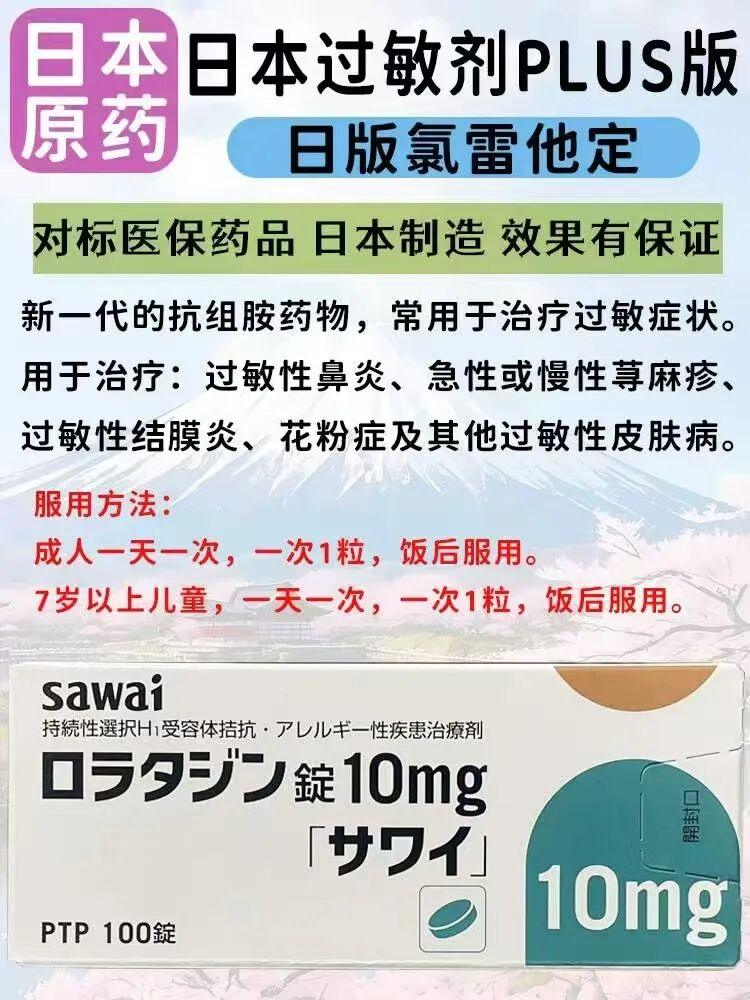
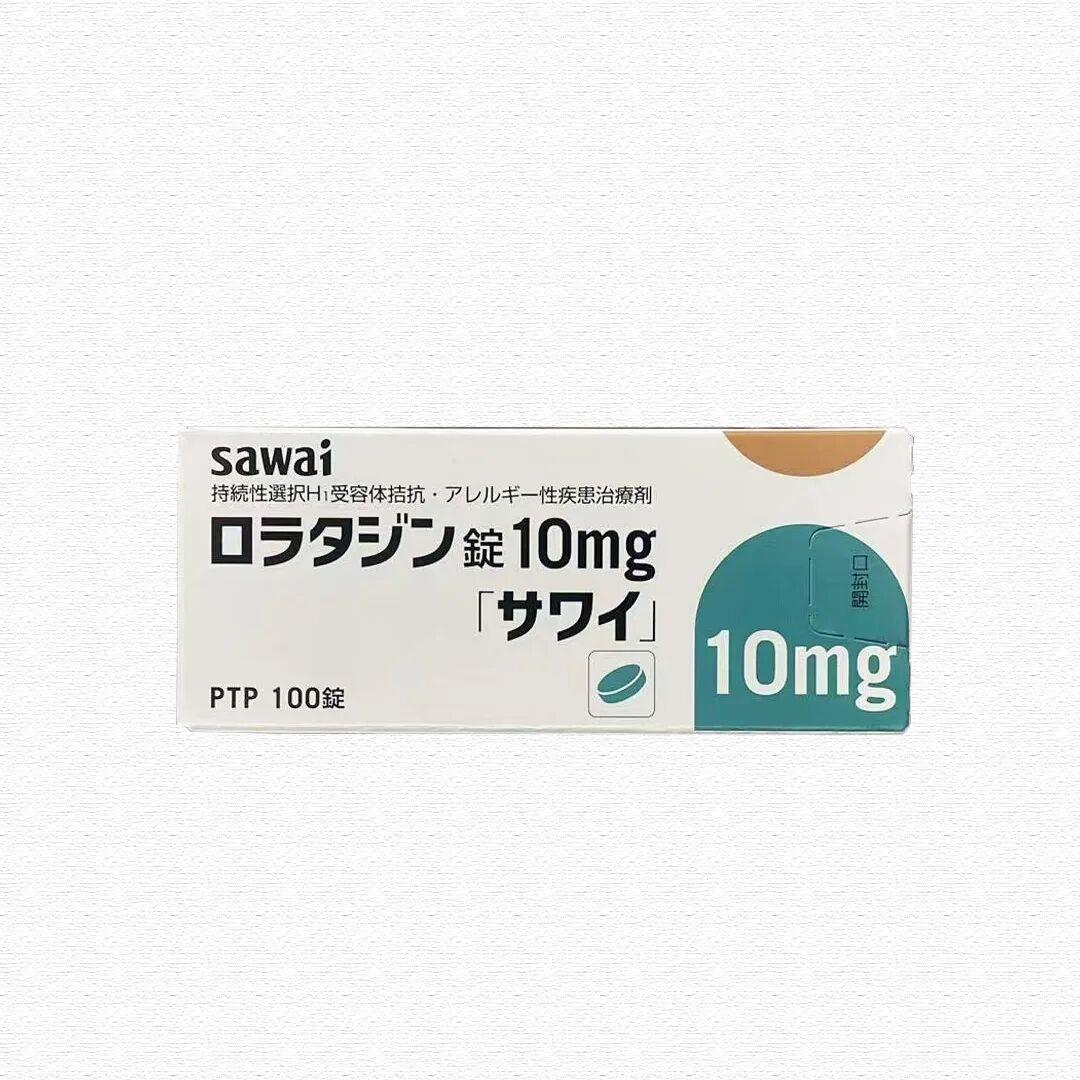
Loratadine

日本語原題:ロラタジン錠10mg「サワイ」

Published2025-06-07 12:47 Maker沢井 FormTablet Content9 sections / 2 images
English translation of the Japanese package insert is the main text; the Japanese original is shown alongside for verification. Use the language menu (top right) to read the page in another language. This site is for reference only — consult a doctor or pharmacist before use.
Section 1 · 01
English translation
Feature Description Loratadine and DCL exhibit histamine H1 receptor antagonist effects. It also exhibits release inhibitory effects on histamine and leukotriene C4.
Section 2 · 02
English translation
Specifications PTP: 100 tablets (10 tablets × 10).
Section 3 · 03
English translation
Characteristics White tablets with a seced line.
Section 4 · 04
English translation
Ingredient Information Active ingredient [per tablet]: Loratadine 10mg. Additives: Mg stearate, corn starch, lactose.
Section 5 · 05
English translation
Indications 1. Allergic rhinitis 2. Measles 3. Itching associated with skin diseases (eczema, dermatitis, pruritus of the skin)
Section 6 · 06
English translation
Dosage and Administration 1. Adults: Typically, 10 mg of loratadine is administered orally once daily after meals. Adjust the amount appropriately depending on age and symptoms. 2. Children: Typically, children aged 7 and older are given 10mg of loratadine orally once daily after meals.
Section 7 · 07
English translation
Notes 1. "Common Efficacy" If no effect is observed, be careful not to administer it indiscriminately for a long time. 2. 〈Allergic Rhinitis〉 When administering to seasonal patients, it is desirable to start administration just before the peak season and continue until the end of the peak season.
Section 8 · 08
English translation
Side Effects 1. Shock, anaphylaxis (both with unknown frequency) If cyanosis, dyspnea, low blood pressure, angioedema, or similar symptoms occur, discontinue administration and take appropriate measures. 2. Epilepsy (frequency unknown) 3. Convulsions (frequency unknown) 4. Liver dysfunction and jaundice (both frequency unknown) Liver dysfunction accompanied by significant elevations of AST, ALT, γ-GTP, Al-P, LDH, bilirubin, and others may occur, as well as jaundice. 5. Other side effects (1) Neuropsychiatric system: drowsiness, fatigue, dizziness, headache. (2) Respiratory: Dry nose, sore throat. (3) Digestive system: abdominal pain, dry mouth, nausea/vomiting, diarrhea, constipation, stomatitis, dry lips, gastritis. (4) Hypersensitivity: rash, urticaria, redness, erythema, itching. (5) Skin: Hair removal (6) Liver: increased ALT, increased AST, elevated bilirubin levels, increased γ-GTP, elevated Al-P. (7) Kidneys: increased BUN, proteinuria, urinary retention. (8) Circulatory system: palpitations, rapid pulse. (9) Blood: eosinophilia, leukopenia, neutropenia, monocytosis, lymphopenia, leukocytosis, lymphocytosis, hematocrit, hemoglobin, basophilia, thrombocytopenia, neutrophilia. (10) Others: Urine sugar, dry eyes, tinnitus, hot flashes, taste disorders, irregular menstruation, chest discomfort, abnormal uterine bleeding, chest pain, hearing loss, edema (face and limbs).
Section 9 · 09
English translation
taboo Patients with a history of hypersensitivity to any component of this drug.

Source images

2 images

Need help sourcing Japanese medicines or OEM production?

💬